If you have ever bought a bag of coffee or browsed a green bean supplier you have almost certainly come across certification logos. Fair Trade, Rainforest Alliance, Organic, Bird Friendly. They are everywhere, and they all make implicit promises about the coffee inside the bag. But what coffee certifications actually mean in practice is a question worth asking carefully, because the answer is more nuanced than the logos might suggest. Understanding what coffee certifications actually mean is one of the most useful things a home roaster and green coffee buyer can do, and this blog covers everything you need to know. What coffee certifications actually mean comes down to understanding what each certification measures, what it does not measure, and how to use that knowledge to make better buying decisions.
Why Certifications Exist
To understand what coffee certifications actually mean it helps to understand why they exist in the first place. The global coffee industry has a structural problem. Coffee is grown predominantly by smallholder farmers in some of the world's poorest countries and consumed predominantly in wealthy ones. The gap between what producers earn and what consumers pay is enormous, and the commodity market that sets the price of coffee, known as the C-price, has historically been volatile and often falls below the cost of production.
Certifications emerged as a response to this problem, an attempt to create market mechanisms that reward better environmental, social, and economic practices at the producer level. They are partial solutions in a complicated landscape, and no single certification solves everything. But used thoughtfully and in combination, they can be a meaningful guide to what is behind the coffee you are buying.
Fair Trade
Fair Trade is probably the most widely recognised certification in the world and one of the first most people encounter when asking what coffee certifications actually mean. Administered by Fairtrade International, Fair Trade sets minimum prices for commodity coffee that are designed to be above the cost of production, ensuring producers receive a floor price even when the C-price drops.
Fair Trade also provides social premiums, additional funds paid on top of the minimum price that producer cooperatives can invest in community projects such as schools, healthcare, and infrastructure. It requires democratic organisation of smallholder producers and sets standards around labour rights and working conditions.
What Fair Trade does not do is guarantee cup quality. A Fair Trade certified coffee is not necessarily a specialty coffee. The certification is focused on economic and social outcomes rather than flavour. It is also worth noting that approximately 80 percent of global coffee production comes from smallholder farmers who are not part of certified cooperatives, meaning Fair Trade reaches only a fraction of the producers who need support.
Rainforest Alliance
Rainforest Alliance certification, which merged with UTZ in 2018, addresses farm level sustainability across environmental, social, and economic dimensions. It covers biodiversity protection, climate resilience, worker wellbeing, and sustainable farming practices.
Rainforest Alliance is one of the broader and more comprehensive certifications in terms of the range of issues it addresses. It requires farms to maintain shade canopy, protect waterways, manage waste responsibly, and meet standards around worker housing, health, and safety. The frog logo is one of the most widely recognised sustainability marks in the food and beverage world.
What coffee certifications actually mean in the case of Rainforest Alliance is a farm level commitment to sustainability across multiple dimensions. Like Fair Trade it does not directly address cup quality, and the standards vary somewhat by country and context. But it is a meaningful indicator that a producer is operating with environmental and social responsibility in mind.
Organic
Organic certification, available through bodies including the USDA in the United States and equivalent organisations globally, prohibits the use of synthetic fertilisers, pesticides, and herbicides in coffee production. It promotes ecological balance, soil health, and biodiversity through natural farming practices.
Organic certification is one of the most straightforward to understand in terms of what coffee certifications actually mean. It tells you that the coffee was grown without synthetic inputs. What it does not tell you is whether the coffee is high quality, whether the producer was paid fairly, or whether the farming practices beyond chemical use were environmentally responsible.
It is also worth noting that many small scale producers farm organically by default simply because they cannot afford synthetic inputs, but they are not certified because the cost and complexity of obtaining and maintaining organic certification is prohibitive for very small operations. Some of the world's finest specialty green coffee beans come from uncertified farms that farm more sustainably than many certified producers.
Bird Friendly
Bird Friendly certification, administered by the Smithsonian Migratory Bird Center, is the most rigorous shade and biodiversity focused certification in the coffee world. It requires strict criteria around shade canopy cover, tree diversity, and ecosystem conservation that go significantly beyond what other certifications demand.
Bird Friendly certified coffees must be grown under a diverse shade canopy that provides habitat for migratory birds and supports broader ecosystem health. The certification also requires organic certification as a baseline, meaning all Bird Friendly coffee is also certified organic.
What coffee certifications actually mean in the case of Bird Friendly is a genuine and rigorous commitment to biodiversity and shade growing. It is one of the most demanding certifications to obtain and maintain, and it carries real environmental credibility. The trade off is that very few producers carry it, which limits availability.
Direct Trade
Direct trade is different from the other certifications in one important way: it has no formal certifying body and no standardised criteria. Direct trade describes a relationship between a roaster or importer and a producer that bypasses traditional commodity trading channels, with the buyer purchasing directly from the farm or cooperative, often at prices significantly above the C-price.
What coffee certifications actually mean in the case of direct trade is highly variable because the term is self-defined. Some direct trade relationships are genuinely transformative, involving long term partnerships, farm visits, quality investment, and prices that meaningfully improve producer livelihoods. Others use the term loosely to describe any purchase that is slightly more transparent than commodity buying.
When evaluating a direct trade claim, the questions to ask are: what price was paid and how does it compare to the C-price and the living income reference price? Is the relationship long term? Does the buyer visit the farm? Is there genuine transparency around the terms of trade? The more specific the answers, the more meaningful the claim.
Specialty Coffee Association (SCA) Cupping Scores
SCA cupping scores are worth mentioning in any discussion of what coffee certifications actually mean because they are widely used in the specialty coffee world but measure something entirely different from the certifications above. A cupping score evaluates cup quality using a standardised tasting methodology developed by the Specialty Coffee Association. Coffees scoring above 80 are classified as specialty grade. Scores above 85 indicate exceptional quality.
What SCA cupping scores do not measure is sustainability, environmental impact, or producer welfare. A coffee can score 90 points and come from a farm with poor labour practices. Equally a coffee can be Fair Trade certified, organic, and Bird Friendly but score below 80. Cupping scores and sustainability certifications measure completely different things, and understanding that distinction is central to understanding what coffee certifications actually mean.
How To Read Certifications As A Green Bean Buyer
The most important thing to understand about what coffee certifications actually mean is that no single certification solves everything. Each one measures a specific set of outcomes and leaves others unaddressed. The most responsible and informed approach is to stack certifications alongside direct relationships and real transparency rather than treating any single logo as a guarantee of quality or ethical sourcing.
When buying green coffee beans, look beyond the logos for specific data. What price was paid to the producer? What is the altitude and processing method? Is there traceability to the cooperative or estate level? Does the supplier have a direct relationship with the producer? These questions will tell you more about the coffee behind the certification than the logo alone.
It is also worth remembering that some of the world's finest and most ethically sourced green coffee beans carry no certification at all. Many exceptional smallholder producers farm sustainably and sell at premium prices through direct trade relationships without the cost and bureaucracy of formal certification. The absence of a logo does not mean the absence of responsibility.
A Final Word On What Coffee Certifications Actually Mean
Understanding what coffee certifications actually mean is not about dismissing certifications. Fair Trade, Rainforest Alliance, Organic, and Bird Friendly all create important guardrails and incentives in an industry that needs them. But real impact comes from relationships, transparency, and the willingness to look beyond logos to the specific data behind them.
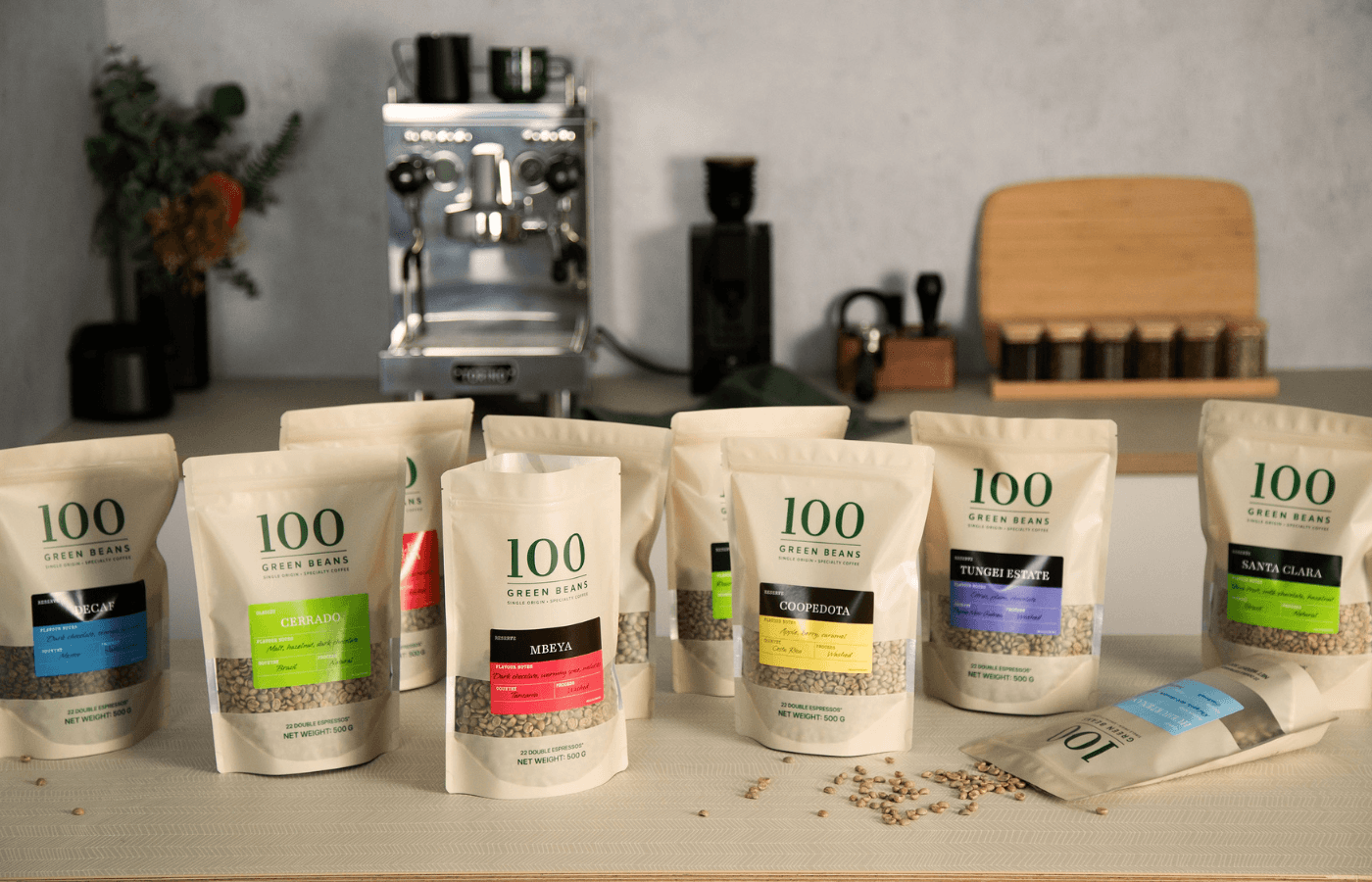
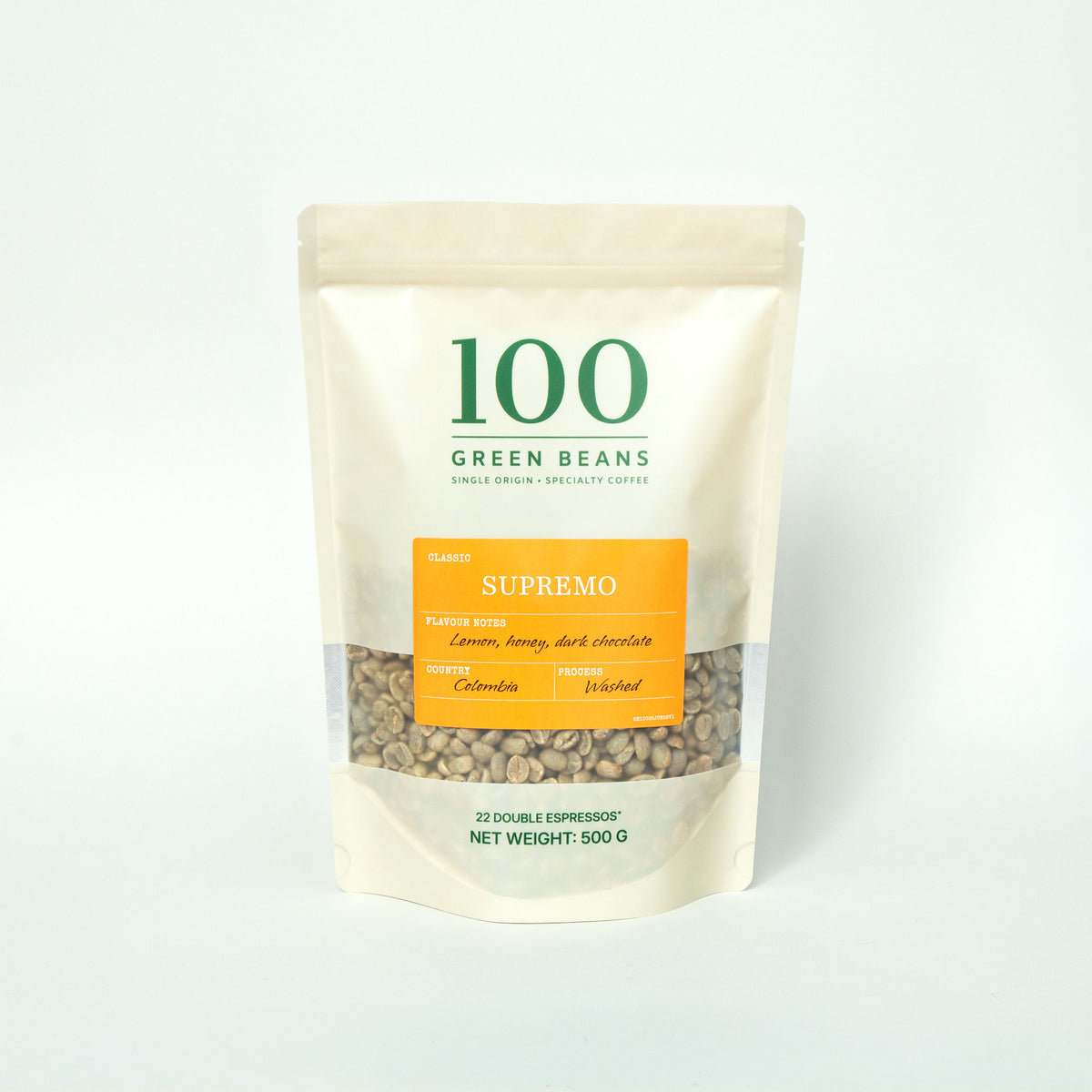
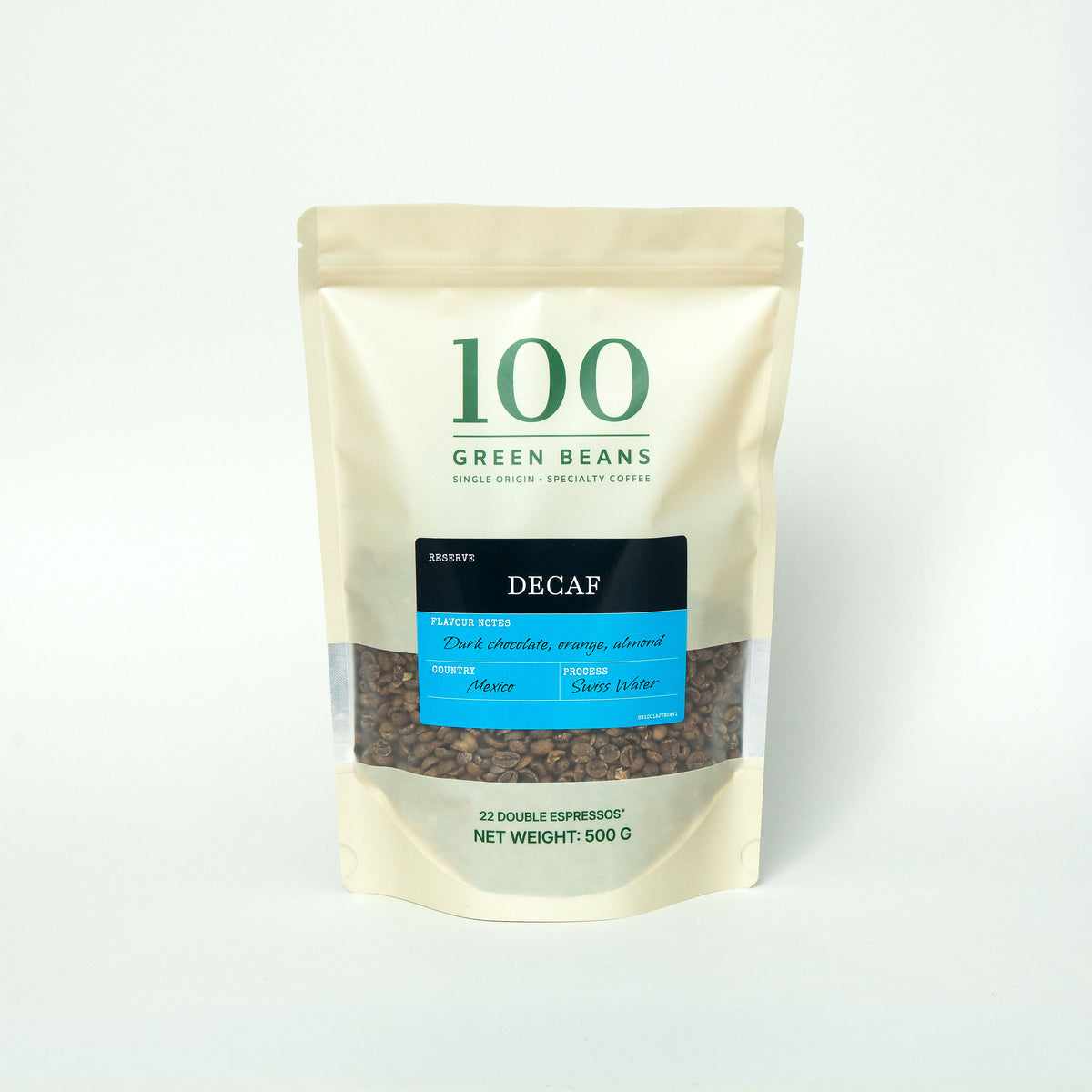
At 100 Green Beans we source our green coffee beans through a specialised importer with a commitment to quality and transparency at every level of the supply chain. Every bean in our range comes with clear origin information so you always know exactly what you are buying and where it came from. Browse our full range today and buy your green beans with confidence.