Skip to content

A Beginner's Guide to Home Coffee Roasting

Picture this: You've found a bean you like the sound of – Ethiopian, Grown at 1,900 metres, described as floral and fruity with a bright, clean finish. You order it, it arrives, you roast it, and it tastes exactly like that. Next, you try a different Ethiopian bean from the same altitude and same region. And it's wilder, fuller, jammy and fermented, and almost wine-like. You didn't change the origin. You didn't change your roast. So, what happened?


Processing happened. And once you understand it, you'll never look at a bean description the same way again.

100 Green Beans AU

Pan Roasting

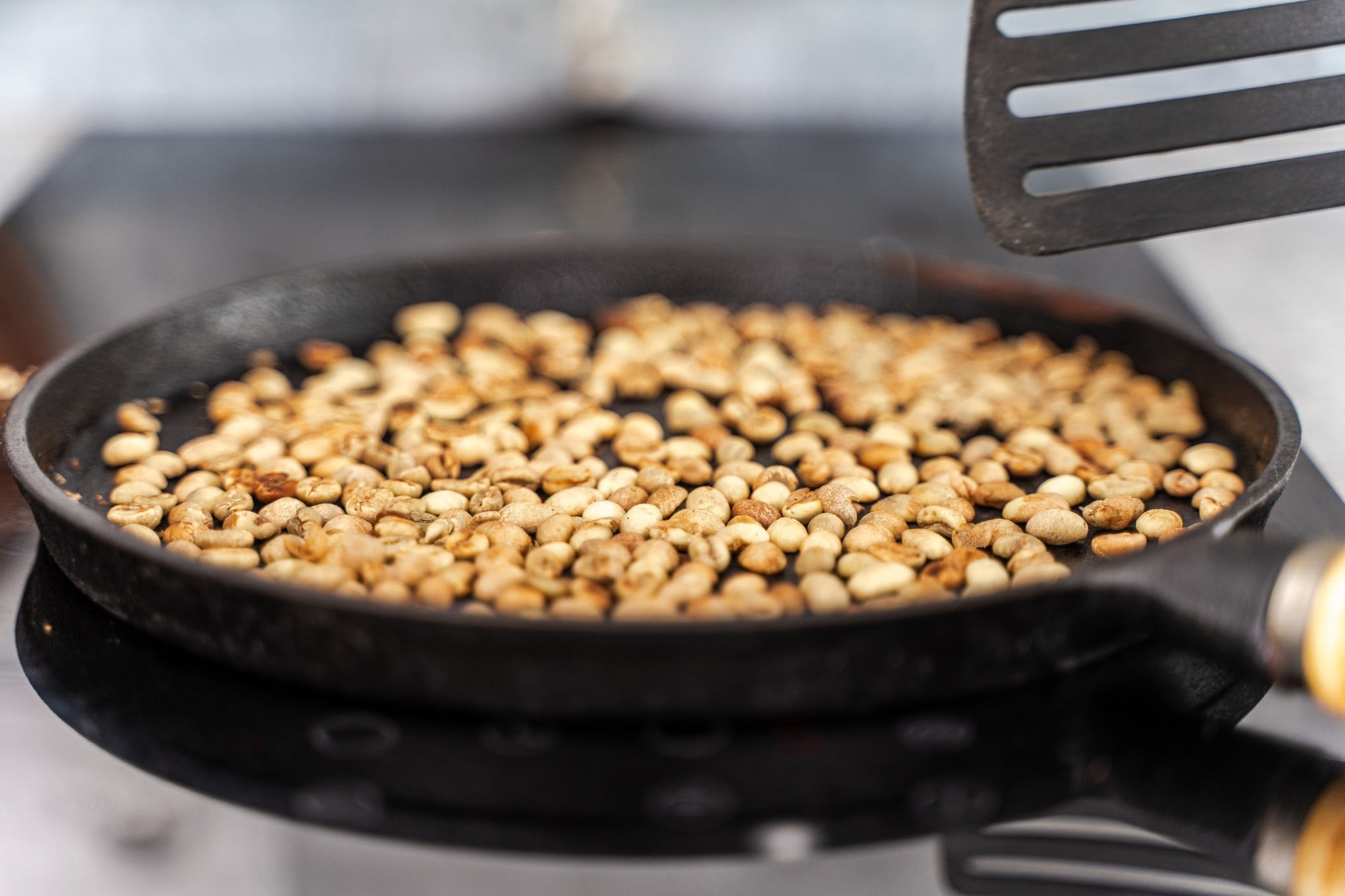
The oldest method, and the one that requires the least equipment. A heavy cast iron pan or skillet, a stovetop, and your full attention are all you need.

You preheat the pan on medium-high heat, add a single layer of green beans, and keep them moving - stirring or shaking continuously - so they don't scorch on one side. You're listening for first crack, an audible popping sound that tells you the bean has developed enough to be drinkable. That typically arrives around 5 to 7 minutes in, with a total roast time of around 10 to 15 minutes depending on how dark you want to go.

The results are honest and hands-on. You won't get the consistency of a dedicated machine, and it takes practice to get an even roast across the batch. But you'll learn a lot about how beans respond to heat quickly, and there's something satisfying about roasting coffee with nothing more than a pan and a wooden spoon.

One practical note: roasting produces smoke, and the darker you go, the more of it. Good ventilation - extractor fan on, window open - is worth planning for before you start.

100 Green Beans AU

Fluid Bed Roasting

Fluid bed roasters push heated air up through the beans, lifting and tumbling them throughout the roast. Because the beans are always in motion, the heat is even and the roast is consistent without much intervention from you. Most fluid bed machines have a clear roasting chamber, so you can watch the whole process happen, which is part of the appeal.

The heat transfer is fast. Roast times typically run between 4 and 9 minutes, which is noticeably quicker than drum roasting. That speed tends to highlight the brightness and origin character of the bean - acidity, floral notes, fruit - rather than building body and sweetness. If you're working with a washed Ethiopian or a naturally processed Costa Rican and you want those distinctive characteristics to come through clearly, a fluid bed method tends to let them.

Entry-level fluid bed roasters are relatively straightforward to use - load the beans, set the heat, watch the colour change, and stop when you're ready. They're a forgiving starting point for beginners. A range of machines exist - the Kaffelogic Nano 7 is an example of a fluid bed roaster, however it packs in a multitude of features (see Purpose Built Home Roasters below for more).

Best for: beginners who want a visual, accessible process and clean, origin-forward results.

100 Green Beans AU

Drum Roasting

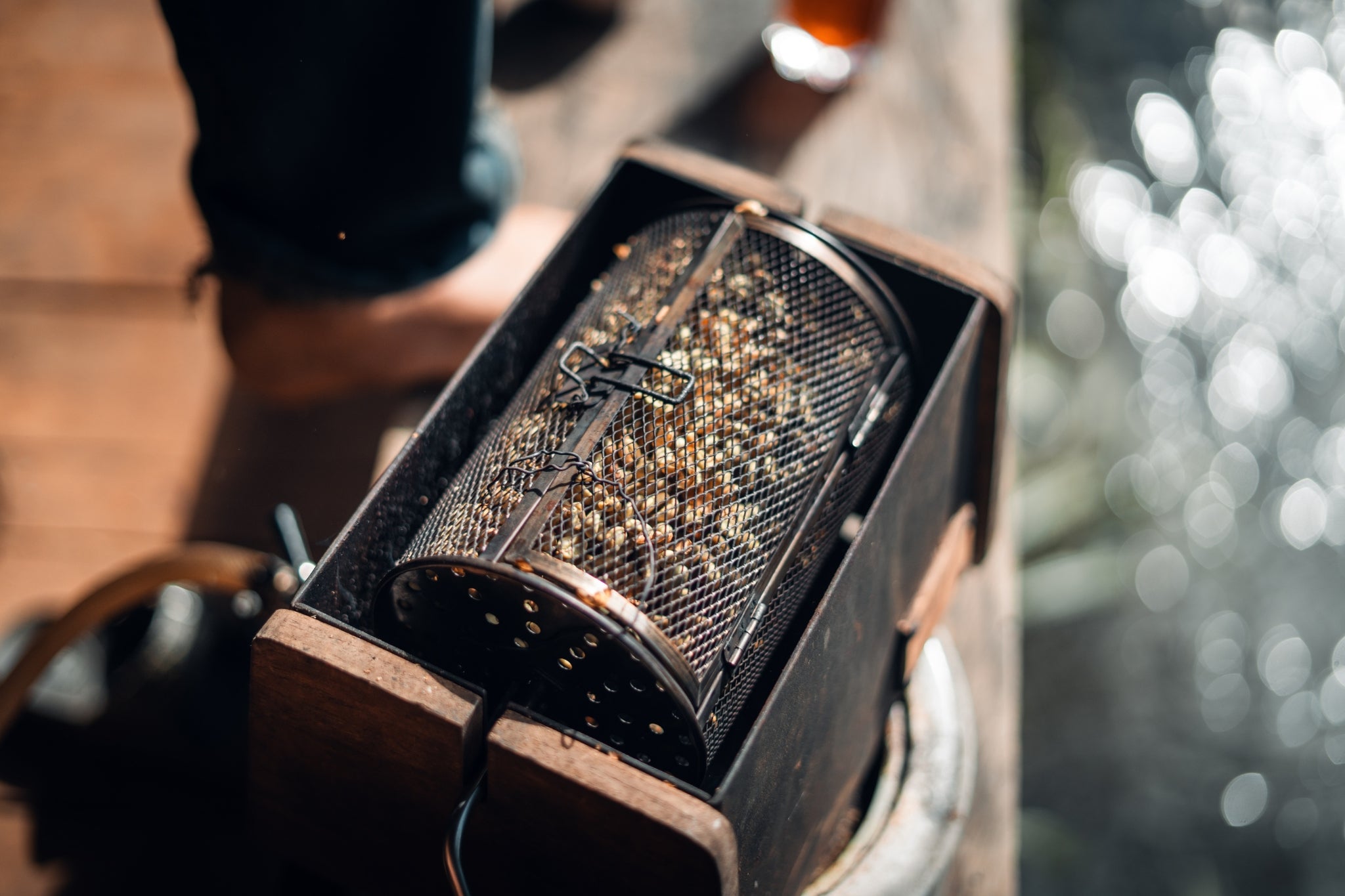
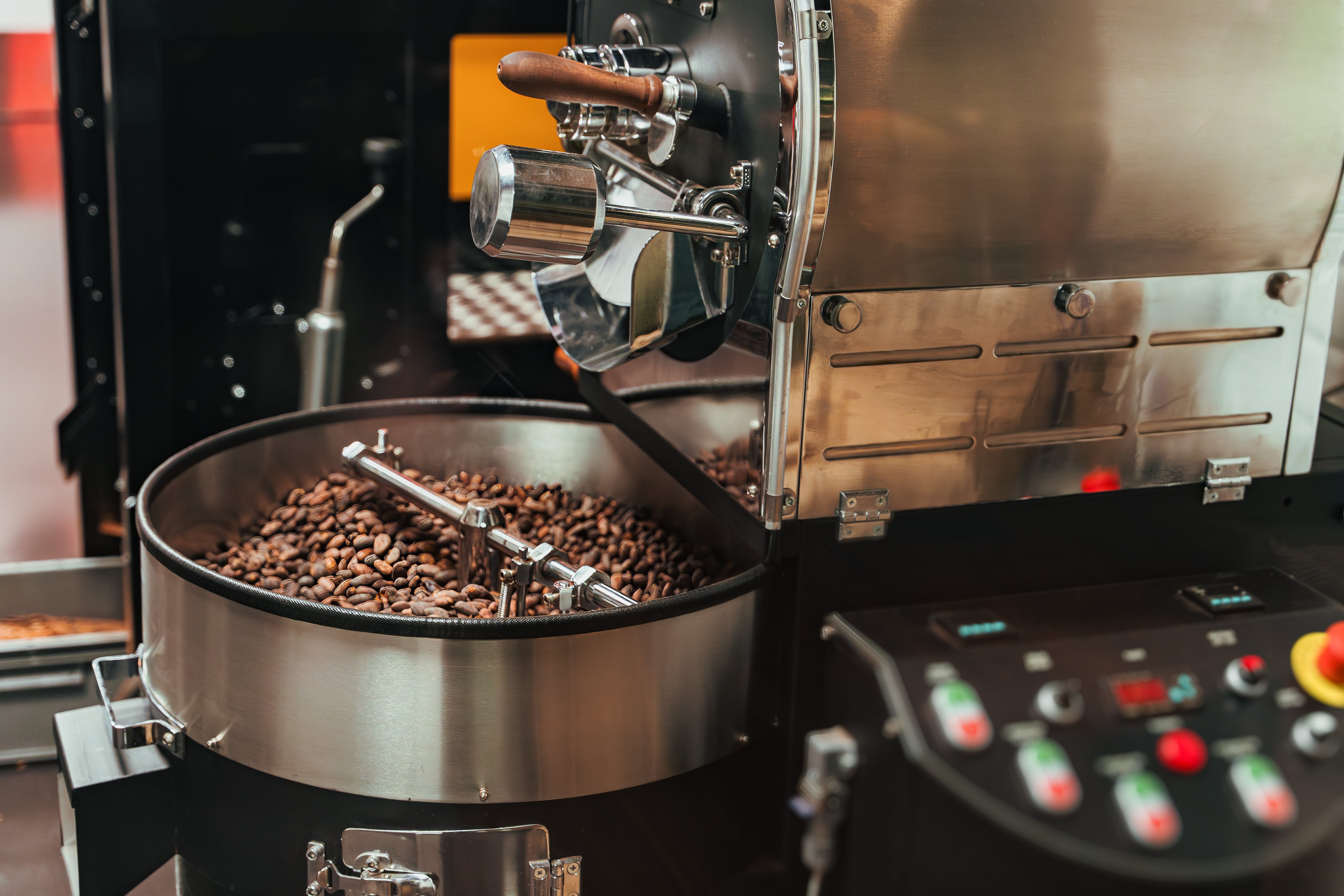
Drum roasters use a rotating drum to tumble the beans through heat. The process is slower than fluid bed roasting, with a typical home drum roast runs around 10 to 15 minutes, with first crack arriving roughly two-thirds of the way through, followed by a development period where you decide how far to take it.

That slower development allows sugars to caramelise more fully, which tends to produce a rounder, fuller cup with more body and developed sweetness. If espresso is your primary brew method, drum roasting is worth paying close attention to - that body holds up well under pressure and works nicely with milk.

Home drum roasters vary significantly in price and complexity. At the more accessible end, machines like the Hottop are reliable workhorses with solid build quality, available in a few different models to suit different batch sizes and how much involvement you want in the process. At the more hands-on end, Kaleido makes a range of drum roasters with detailed control over temperature curves, airflow, and drum speed - popular with enthusiasts who want to build and refine their own roast profiles.

Most drum roasters in this category connect to Artisan, a free and widely used roasting software that lets you log temperature curves, track development time, and repeat profiles consistently batch to batch.

For those who want to push further, the Aillio Bullet sits at the top end of the home drum roaster market - an all-electric infrared drum roaster with a 1.2 kg capacity and full software integration. It bridges the gap between serious home roasting and small commercial use.

Best for: espresso drinkers, and anyone who wants to develop roasts with body, sweetness, and depth.


100 Green Beans AU

Purpose-Built Home Roasters

A number of home roasting machines sit outside the strict fluid bed or drum categories - using a primary heat method (hot air or infrared) layered with sophisticated automation, profile software, and precise environmental controls. What they prioritise is repeatability. You set a profile, load the beans, and the machine runs it the same way every time.

The Kaffelogic Nano 7 is a good example of this category. Designed and manufactured in New Zealand, it uses fluid bed air technology combined with predictive PID controls to replicate complex roast profiles consistently. Batches run from 120 g up to 200 g with the optional Boost Kit, and the accompanying Kaffelogic Studio software lets you customise profiles, save your own curves, and track every roast over time. It's compact, relatively quiet, and built specifically for specialty coffee at home, making it one of the more accessible entry points into precise, repeatable roasting.

The Nano 7 is easy enough to pick up on day one, but it doesn't box you in. As your palate develops and your curiosity grows, it grows with you.

Best for: home roasters who want precision, consistency, and software-driven control from the start.

100 Green Beans AU

The One Thing That Doesn't Change

Whatever method you use, the green bean underneath it matters. Origin, altitude, process, variety - these are the variables that determine what's possible in the cup. The roasting unlocks the potential that's already there. Your job is to choose when.

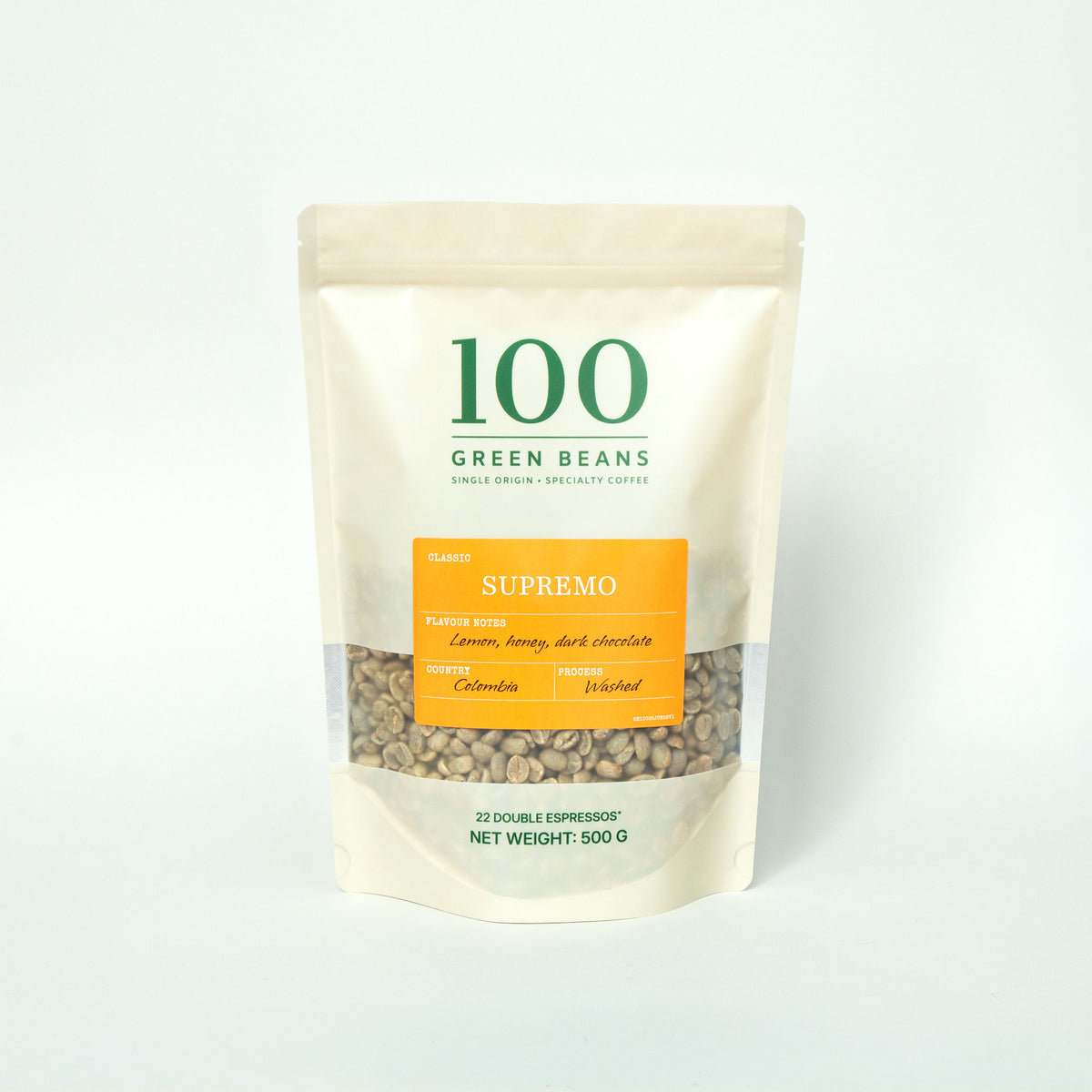
At 100 Green Beans, we source specialty-grade green beans, single origin, and give you the information that actually helps - the region, the process, the flavour potential - so you know exactly what you're working with before the heat goes on.

The roasting is yours. We just make sure the beans are worth the effort.

Shop the Range

Explore our full range and buy your favourite green beans.

Shop Now