Skip to content

Coffee Flavour Notes Explained: Why Your Cup Tastes the Way It Does

Picture this: You've found a bean you like the sound of – Ethiopian, Grown at 1,900 metres, described as floral and fruity with a bright, clean finish. You order it, it arrives, you roast it, and it tastes exactly like that. Next, you try a different Ethiopian bean from the same altitude and same region. And it's wilder, fuller, jammy and fermented, and almost wine-like. You didn't change the origin. You didn't change your roast. So, what happened?


Processing happened. And once you understand it, you'll never look at a bean description the same way again.

100 Green Beans AU

Where Flavour Actually Comes From

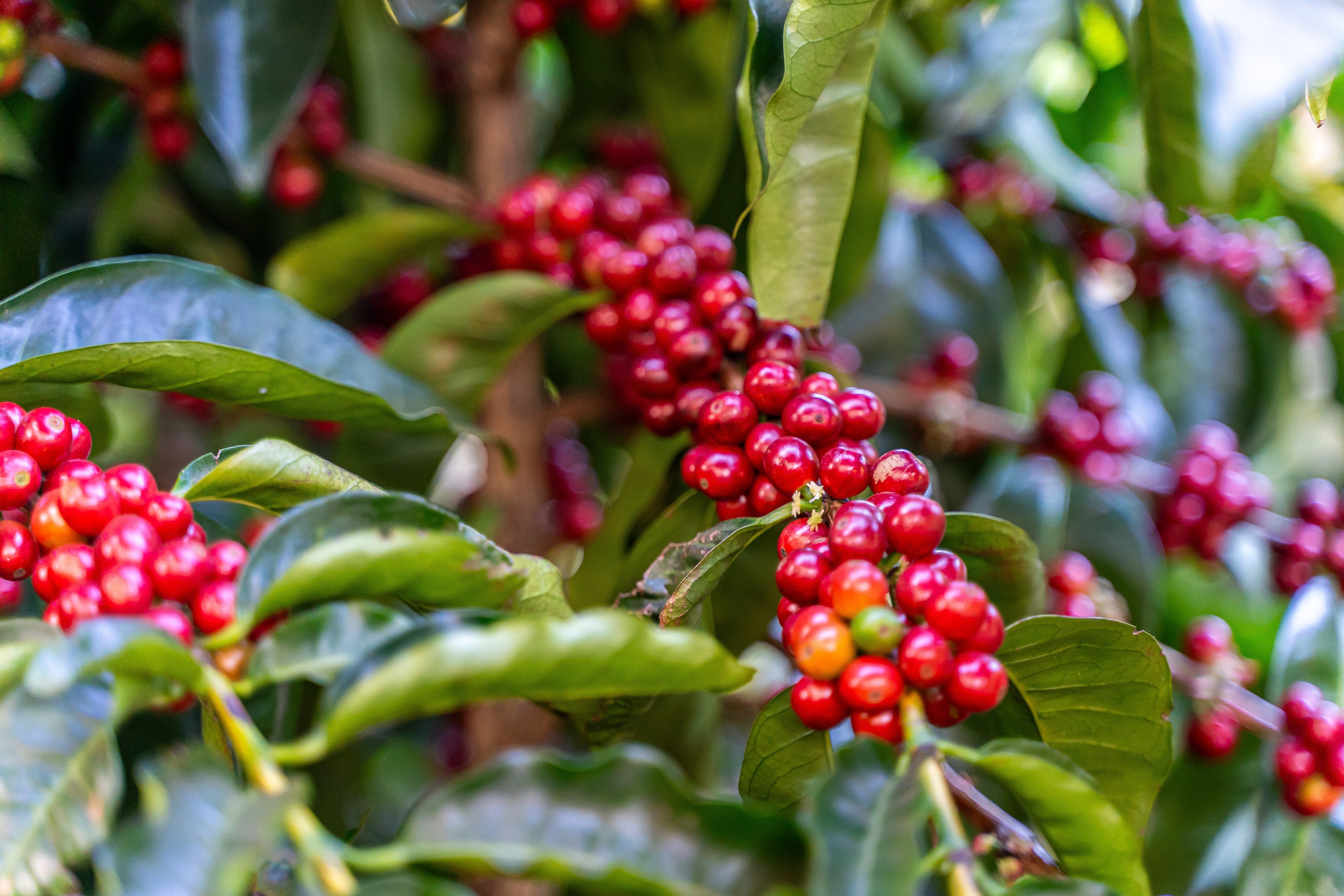
Coffee cherries contain hundreds of chemical compounds - acids, sugars, lipids, proteins - that vary depending on the variety of the plant, the soil it was grown in, the altitude, the climate, and how the fruit was processed after harvest. These compounds are the raw material. They don't taste like coffee yet. But they carry the flavour potential of everything that cup could become. Roasting is where that potential is unlocked - or lost.

When heat is applied to a green bean, two key reactions drive most of what ends up in the cup. The first is the Maillard reaction - the same process that browns bread and sears meat. It's a reaction between amino acids and sugars that produces hundreds of new flavour and aroma compounds, contributing to the roasty, nutty, and caramelised notes you associate with coffee. The second is caramelisation - the breakdown of sugars under heat, which adds sweetness, body, and depth.

Both reactions are time and temperature sensitive. Push too hard too fast, and you scorch the outside of the bean before the inside has developed. Linger too long, and the more delicate compounds - the florals, the fruit acids, the brightness - burn off and disappear. The window where everything comes together is real, and it's not very wide.

This is why roast development matters. The final phase of a roast - after first crack, when the bean is still taking on heat and colour - is where a huge amount of flavour definition happens. More development time generally means more body, more sweetness, more of the roast-driven character. Less means more origin character preserved: the acidity, the fruit, the floral notes that came with the bean from the farm.

Neither is right or wrong - they're simply choices. And understanding them means you're making them deliberately.


100 Green Beans AU

What the Flavour Wheel is Actually Telling You

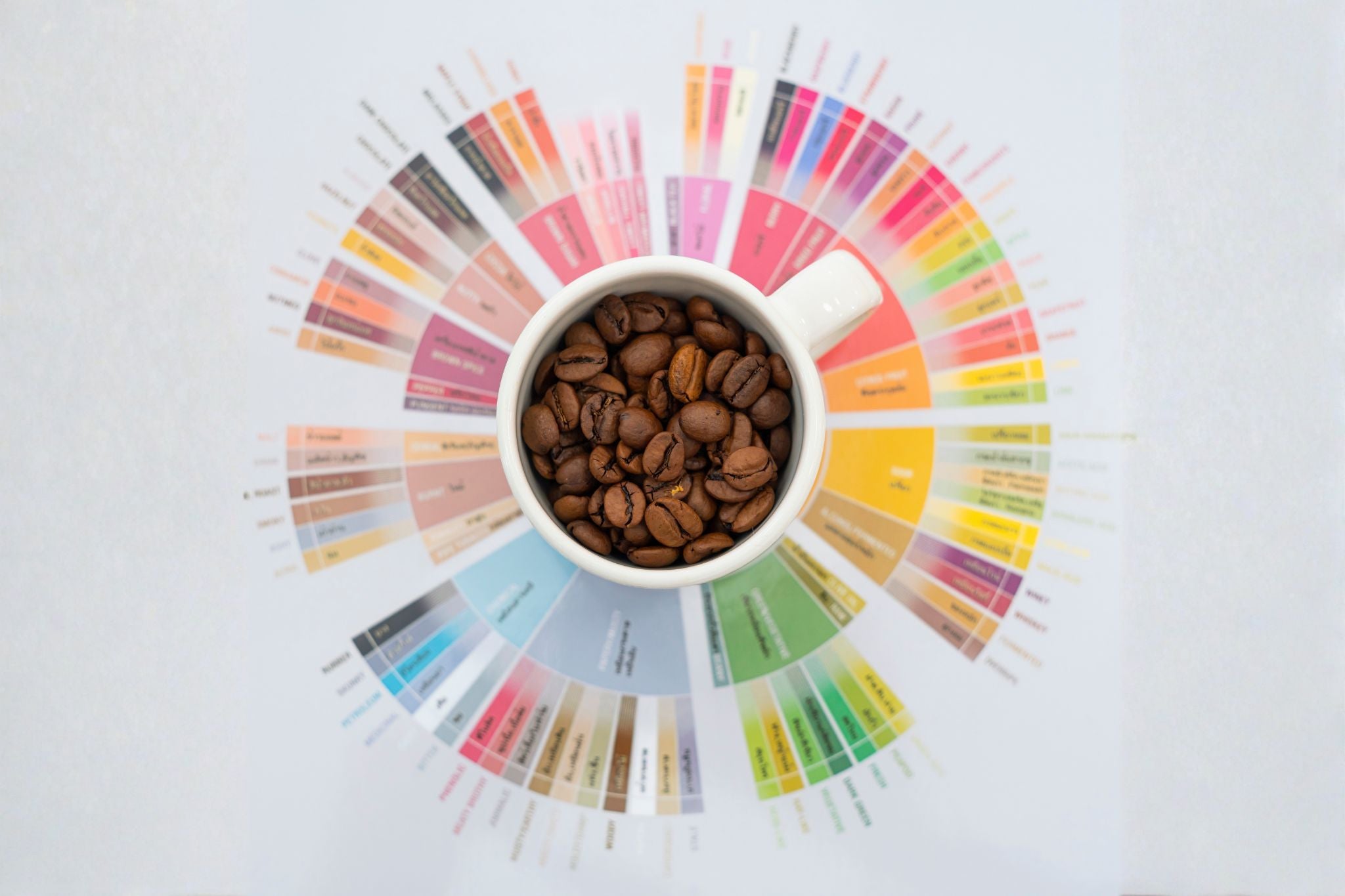
The coffee flavour wheel - developed by the Specialty Coffee Association - is a reference tool that maps the full landscape of flavours found in coffee, organised from broad categories at the centre out to specific descriptors at the edges. Fruity, floral, nutty, sweet, roasted, spice. Each category branches into sub-categories, and those branch into specific notes, for example, blackberry, jasmine, hazelnut, brown sugar, cedar.

It exists because coffee is genuinely one of the most chemically complex beverages there is - more so than wine, by most measures. The wheel gives tasters a shared vocabulary so that "fruity" means something specific rather than something vague.

When we describe a bean as having notes of stone fruit and milk chocolate, we're not guessing. We're drawing on a combination of what's known about that origin and variety, how the bean was processed, and what those flavour compounds typically produce in the cup. It's a starting point for your own palate, rather than a verdict.

100 Green Beans AU

Why Different Origins Taste Different

Altitude is one of the biggest drivers of flavour in green coffee. Higher altitudes mean cooler temperatures, which slow the growth of the coffee cherry. A slower-developing cherry builds more complexity - more sugars, more acids, more of the compounds that translate to nuanced flavour in the cup. This is why coffees grown at 1,800 metres tend to have more going on than those grown at 900.

Soil composition, rainfall patterns, and shade coverage all contribute too - collectively described as terroir, borrowing the term from wine. It's a real phenomenon, not just a romantic idea.

Variety matters as well. Bourbon and Typica - two of the older Arabica varieties - are known for their clean, balanced profiles. Gesha (sometimes spelled Geisha) has become famous for its intensely floral, tea-like character. Heirloom Ethiopian varieties carry a wild, complex diversity that reflects centuries of natural genetic variation. Each variety brings its own baseline flavour tendencies, which the growing environment and processing then shape further.

Our Ethiopia, for example, is grown at high altitude and brings the bright, floral, fruit-forward character that the origin is known for. Our Brazil sits at lower altitude and is naturally processed - which is why it leans toward chocolate, nuts, and sweetness rather than acidity and brightness. Same category of bean. Very different cup.

100 Green Beans AU

Processing and Flavour - A Quick Recap

We've covered processing in detail in a separate article, but it's worth a brief reminder here because it's so directly connected to flavour.

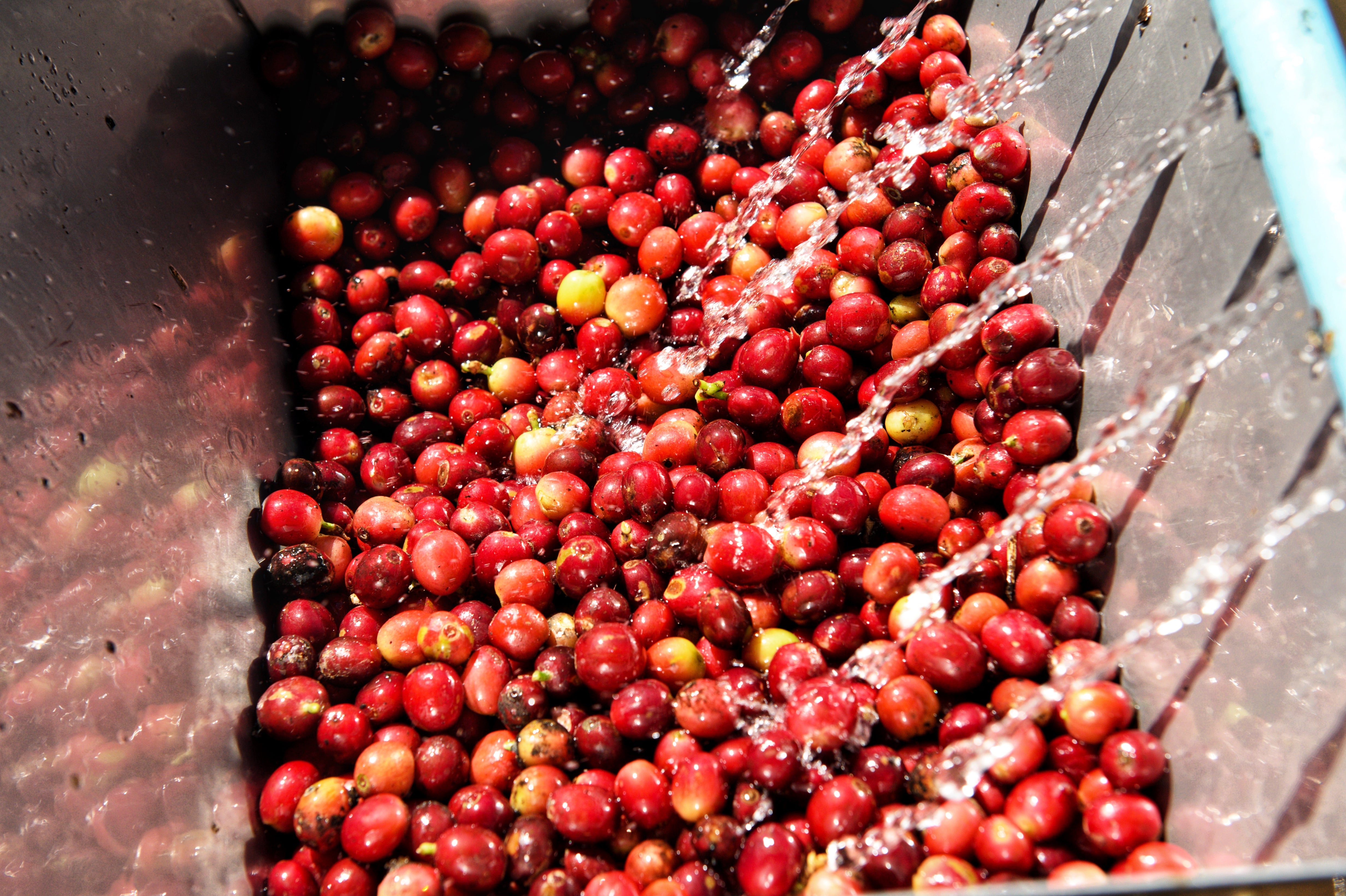
Washed coffees strip the fruit away early, which produces a cleaner, brighter cup where origin character comes through clearly. Natural coffees dry with the fruit intact, which adds sweetness, body, and fruit-forward complexity - often berry, tropical fruit, or wine-like notes. Honey process sits in between. Wet-hulled (semi-washed) Indonesian coffees produce something different again - lower acidity, heavier body, earthy and herbal character that's entirely their own.

The processing method is often the single biggest predictor of a coffee's flavour profile, before you've even thought about roast level.

100 Green Beans AU

Roast Level and Flavour - The Short Version

Light roasts preserve origin character. The acidity is higher, the body is lighter, and the more delicate flavour compounds - florals, citrus, stone fruit - are still intact. These coffees reward careful, lower-temperature roasting and tend to shine in filter brewing.

Medium roasts are where origin character and roast character start to meet. The brightness softens, body increases, and sweetness comes forward. This is the most versatile range - it works across brew methods and tends to be the most approachable for new home roasters.

Dark roasts push into roast-driven flavours - dark chocolate, caramel, smokiness - while origin character recedes. Body is heavy, acidity is low. These coffees hold up well in milk-based drinks.

There's no wrong answer. But knowing where you want to land before you start the roast means you're navigating, not guessing.

100 Green Beans AU

Brew Method Matters Too

The same roasted bean can taste quite different depending on how you brew it - and it's worth knowing why.

Espresso is a high-pressure, concentrated extraction. It amplifies body, sweetness, and the roast-driven notes, which is why chocolatey, nutty medium roasts often perform well as espresso. It can also amplify acidity if the extraction isn't dialled in, which is why very light roasts can be tricky as espresso without careful grind and temperature adjustment.

Filter brewing - pour over, batch brew, Aeropress - is a longer, gentler extraction that tends to be more transparent to origin character. Floral, fruity, high-altitude coffees often show their best side in filter. The clarity of the brew method lets the complexity of the bean come through without the intensity of pressure extraction.

Neither is better. They're just different lenses on the same bean. A lot of home roasters find it useful to roast the same bean twice - once for espresso, once for filter - at slightly different levels, just to see what changes.

100 Green Beans AU

Learning To Taste

Flavour notes are a skill, not a talent. Most people can't pick jasmine from bergamot on their first cup, and that's fine. The useful starting point is much simpler: does this coffee taste bright and acidic, or smooth and sweet? Is there fruit in there, or is it nuttier and more chocolatey? Is it light and clean, or heavy and rich?

Those broad impressions are the foundation. The specific notes come with time and repetition - and they come faster when you're roasting your own beans and tasting the same origin at different roast levels, because you're building a direct reference point rather than trying to decode a new bag every time.

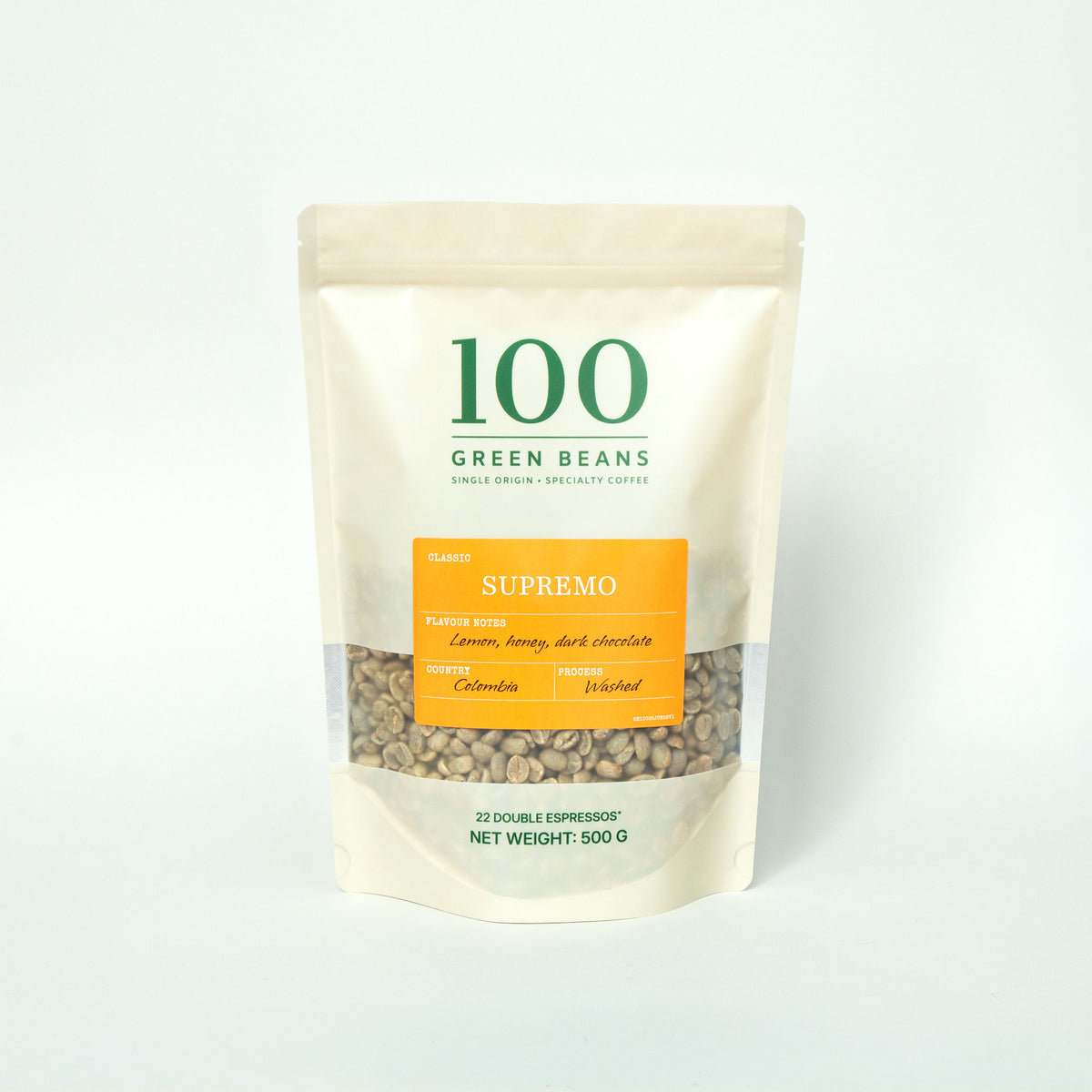
Every origin page on our site includes tasting notes written for that purpose - not as a checklist, but as a starting point for your own palate to work from.

The more you roast, the more you taste. The more you taste, the more you understand. That's the loop. And it's a pretty good one to be in.

Shop the Range

Explore our full range and buy your favourite green beans.

Shop Now