Skip to content

Costa Rican Green Beans - Origin, Taste & Roasting Guide

Central America · Small Country, Obsessive Standards

Costa Rica

Costa Rica was the first country to ban Robusta cultivation outright - and while that ban was partially lifted in 2018 to allow tightly controlled research and low-altitude growing, the industry it shaped remains 100% Arabica in practice. Less than 1% of global supply comes from here, but the infrastructure built around quality - from the micro-mill revolution of the early 2000s to the Tarrazú region's exacting altitude and processing standards - produces cups that routinely outperform origins ten times the size. Bright, clean, and precise.

Origin at a Glance

Understanding Costa Rica as a Green Bean Producing Origin

World Production Share

~1%

Annual Volume (approx.)

~1.5–2M 60kg bags

Altitude Range

1,200–1,900m

Harvest Season

November–March

Species

Arabica (Dominant - Robusta permitted under strict control)

Common Processes

Fully Washed (dominant), Honey, Natural

Common Certifications

Rainforest Alliance, Organic, Fairtrade, Carbon Neutral (national programme)

Learn More About Processing

Click Here

Key Producing Regions

Altitude • Process • Key Character
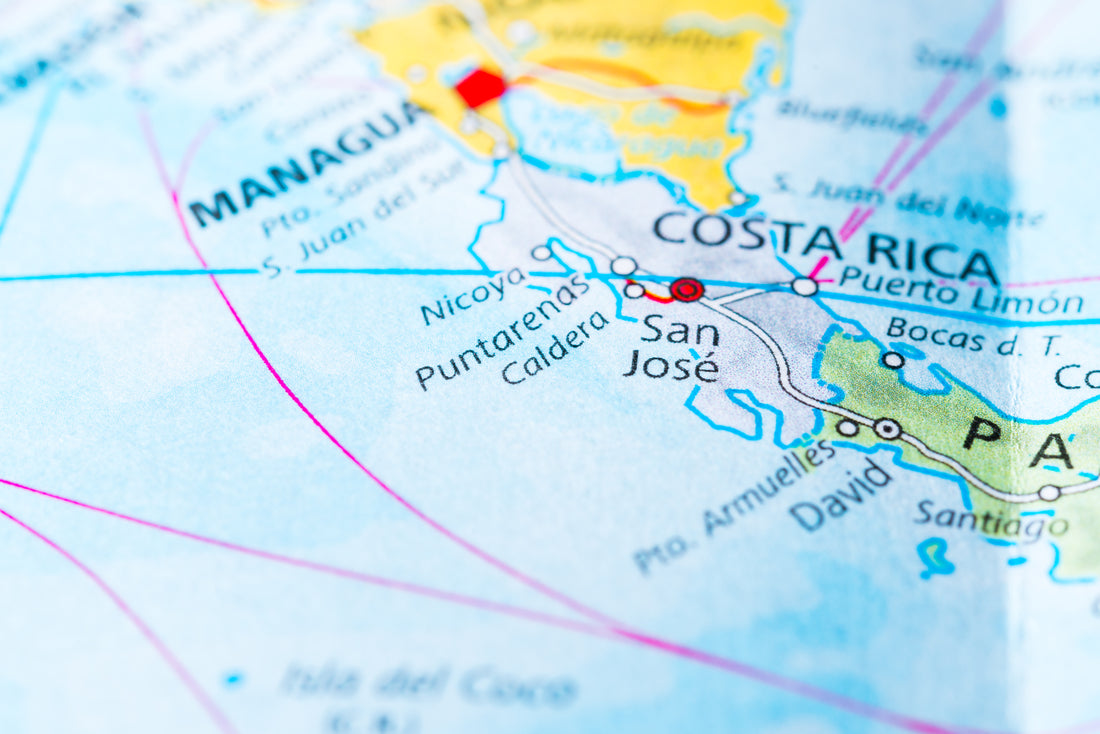
Tarrazú

• 1,500–1,900m

• Fully Washed

• Most celebrated region

• Bright, clean, structured

West Valley (Valle Occidental)

• 1,200–1,600m

• Honey & Natural

• Rounder, fruit-forward, sweet

Central Valley

• 1,200–1,600m

• Fully Washed

• Balanced, approachable, higher volume

Brunca

• 800–1,400m

• Washed

• Lower altitude

• Milder character, good for blending

Key Facts

Fun Green Bean Facts From Costa Rica

Fact 1

Costa Rica was the first country to ban Robusta cultivation entirely - a law that shaped an entire industry around quality Arabica. In 2018 the ban was partially lifted, allowing Robusta in tightly controlled conditions: designated low-altitude regions and approved research programmes only. The industry remains Arabica-led in practice.

Fact 2

Before the micro-mill revolution of the early 2000s, most Costa Rican smallholders sold their cherry to large central processing mills - and lost control of quality the moment it left the farm. Direct milling changed that, and Tarrazú's reputation was built partly on what followed.

Fact 3

Coopedota R.L. in Santa María de Dota became the world's first carbon-neutral coffee cooperative in 2011, certified by the British Standards Institution. It's still operating and still certified.

Fact 4

The Talamanca mountains create a dry microclimate in Tarrazú that most high-altitude regions don't have. Combine that with volcanic Andisol soils and consistent altitude, and you get a harvest that's unusually predictable year on year - which matters when you're roasting green beans from a specific farm.

Varietals

Understanding the Green Bean varietals that come from the Origin of Costa Rica
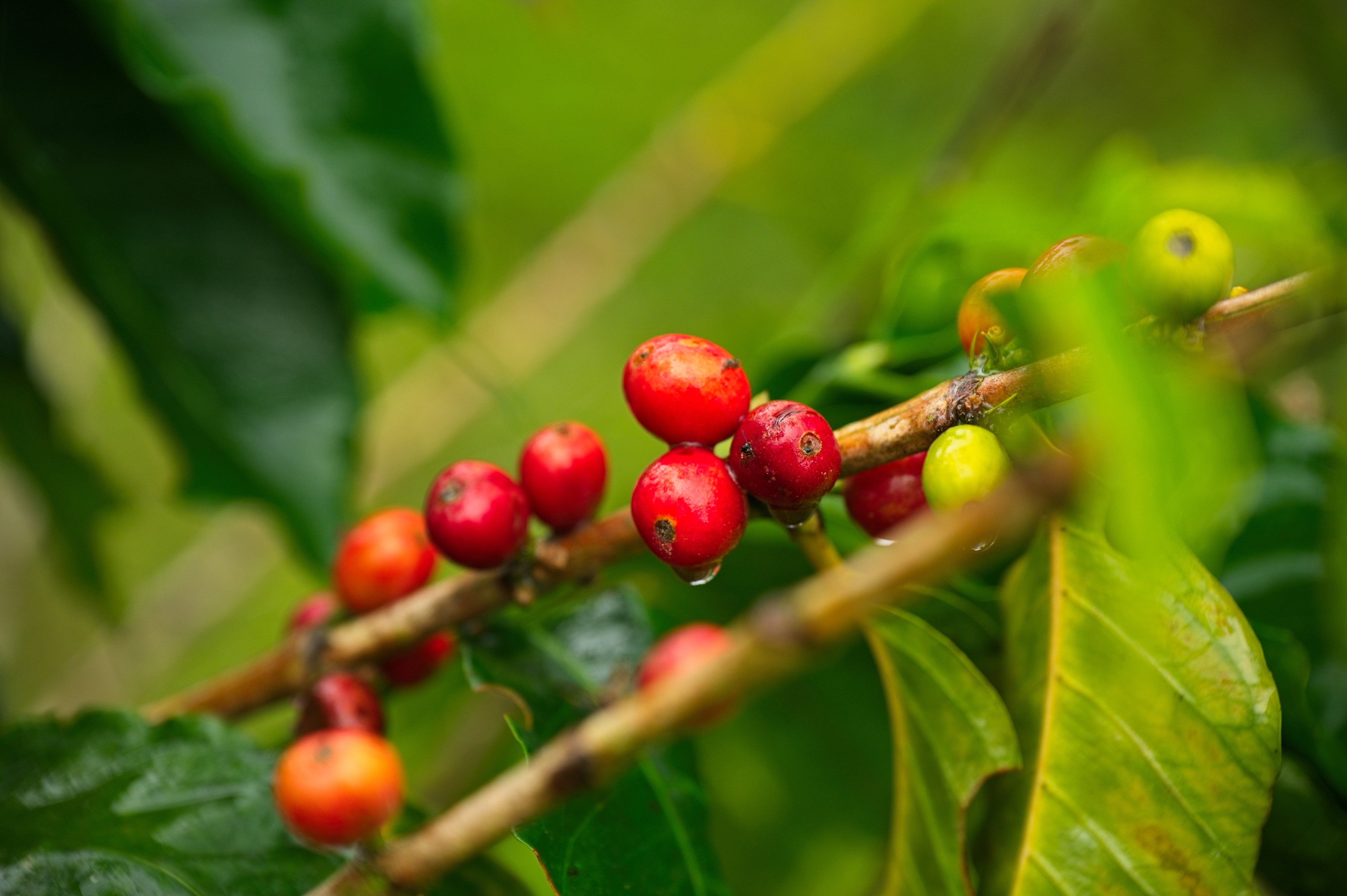
Caturra and Catuaí dominate Costa Rican production - compact, productive varieties that suit the country's high-altitude farms and meticulous washing. Beyond those two, a small group of producers are reviving Bourbon and exploring Villa Sarchi, a mutation unique to Costa Rica that rarely appears anywhere else.

Shop Green Beans

Interested in shopping from our Costa Rica Green Bean Range? Click the link below.

Shop Now