Skip to content

Indonesian Green Beans - Origin, Taste & Roasting Guide

Southeast Asia · Earth, Body, and the Wet-Hulled Difference

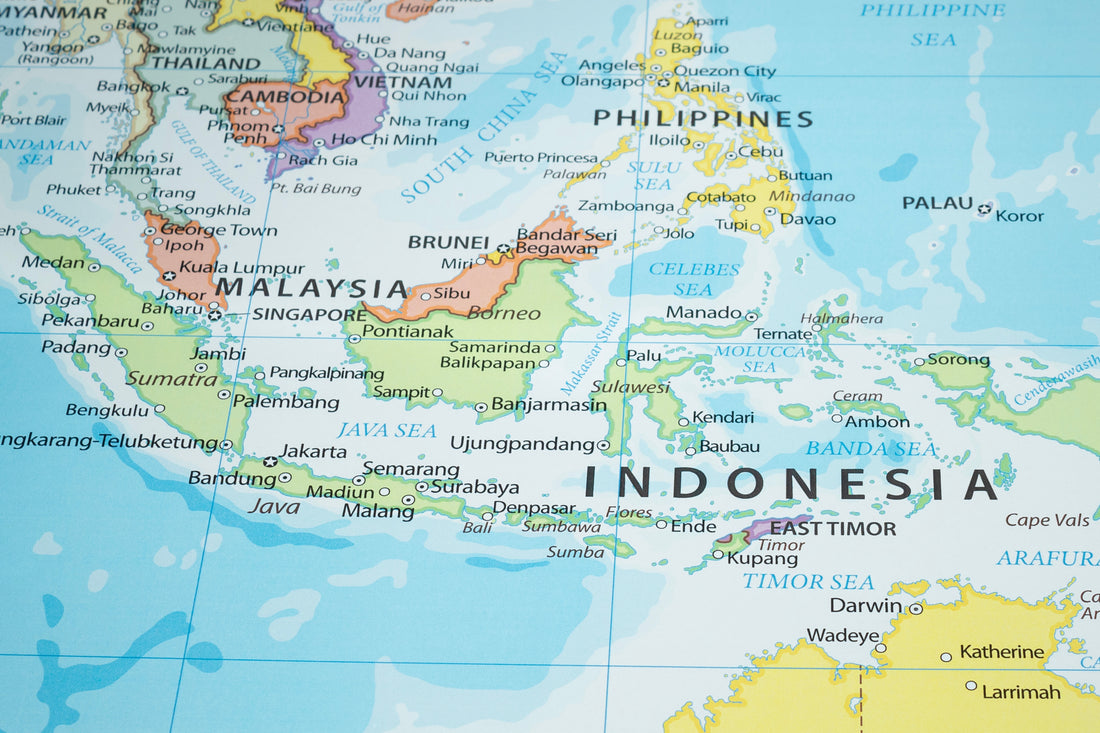
Indonesia

Indonesian coffee tastes the way it does because of what happens after harvest. Wet-hulling - Giling Basah - removes the parchment from the bean while it's still wet, at 30-50% moisture content. Almost no other origin does this, and the result is unmistakable: heavy body, low acidity, earthy depth, and a syrupy character that sits at the opposite end of the spectrum from bright, clean East African washed coffees. Across thousands of islands - Sumatra, Sulawesi, Flores, Java - the expression of that process changes, but the fingerprint stays.

Origin at a Glance

Understanding Indonesia as a Green Bean Producing Origin

World Production Share

~6–7%

Annual Volume (approx.)

~10–11M 60kg bags

Altitude Range

1,100–1,800m

Harvest Season

May–October (varies by island)

Species

Arabica (highlands) + Robusta (lowlands, ~75% of total production)

Common Processes

Wet-hulled / Semi-washed (Giling Basah), Washed, Natural

Common Certifications

Organic (some), Rainforest Alliance, UTZ

Learn More About Processing

Click Here

Key Producing Regions

Altitude • Process • Key Character
Toraja (Sulawesi)

• 1,400–1,800m

• Wet-hulled

• Full body, complex, earthy

• Celebrated specialty region

Sumatra (Mandheling, Gayo)

• 1,200–1,500m

• Wet-hulled

• Heavy body, herbal, low acidity

Flores

• 1,200–1,800m

• Wet-hulled & Washed

• Cleaner than Sumatra

• Chocolate and nut forward

Java

• 900–1,800m

• Washed (estate)

• Lighter, cleaner

• The origin of 'Java' as a coffee word

Bali (Kintamani)

• 1,200–1,700m

• Bright, fruit-forward

• Volcanic crater soils

Key Facts

Fun Green Bean Facts From Indonesia

Fact 1

In wet-hulling, the parchment is stripped from the bean while it still has 30-50% moisture content. At that stage the bean is soft, vulnerable to physical damage, and absorbs flavour compounds from its environment in a way that fully dried parchment coffee doesn't. That vulnerability is where the earthy, cedar, tobacco notes come from.

Fact 2

Java became the English word for coffee because of the Dutch East India Company's 17th century trade routes centred on the island. It's one of the oldest and most durable origin stories in the commodity - though the island's coffee today looks nothing like the trade that named it.

Fact 3

Indonesia is the world's fourth-largest coffee producer, but it is estimated that 80-90% of its production is Robusta, grown at lower altitudes for commercial and instant markets. Highland Arabica from Toraja, Mandheling, and Gayo is a small fraction of the total - which is part of why it commands a premium.

Fact 4

Coffee arrived in Indonesia with the Dutch East India Company in the late 17th century. Java was one of the first major growing colonies outside Yemen, and the trade that followed helped break the Arab monopoly on global coffee supply - a genuinely significant moment in the history of how coffee reached the rest of the world.

Varietals

Understanding the Green Bean varietals that come from the Origin of Indonesia
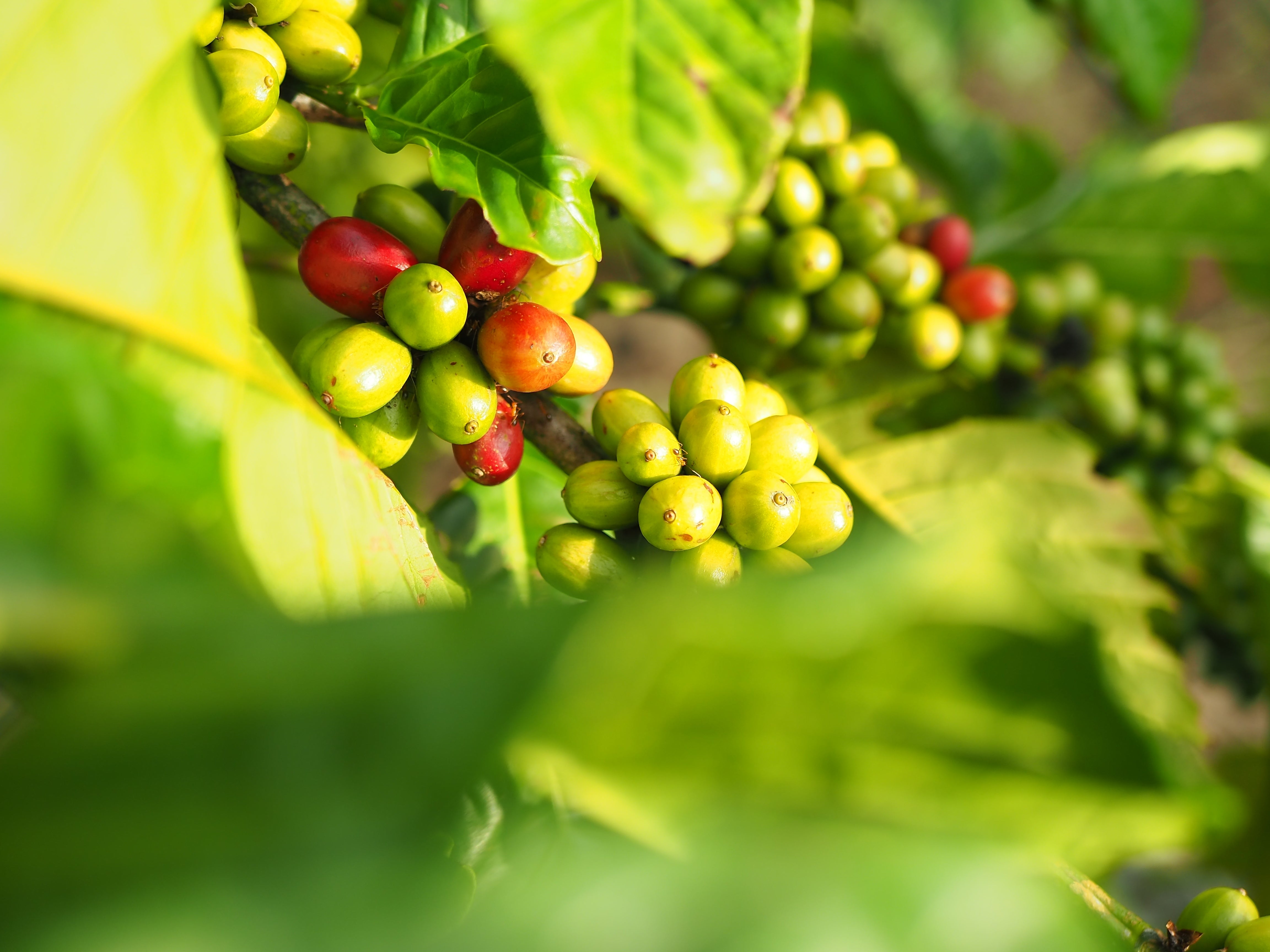
Most Indonesian Arabica traces back to the Typica varieties that arrived with Dutch colonists in the 17th century - adapted over centuries to highland conditions on individual islands. Alongside those lineages sit locally-developed cultivars bred for disease resistance, and at least one variety introduced from India that performs best in the washed Java estate system.

Shop Green Beans

Interested in shopping from our Indonesian Green Bean Range? Click the link below.

Shop Now