Skip to content

What Are Green Coffee Beans? A Beginner's Guide to Where Great Coffee Actually Starts

Picture this: You've found a bean you like the sound of – Ethiopian, Grown at 1,900 metres, described as floral and fruity with a bright, clean finish. You order it, it arrives, you roast it, and it tastes exactly like that. Next, you try a different Ethiopian bean from the same altitude and same region. And it's wilder, fuller, jammy and fermented, and almost wine-like. You didn't change the origin. You didn't change your roast. So, what happened?


Processing happened. And once you understand it, you'll never look at a bean description the same way again.

100 Green Beans AU

The Bean Before it Becomes Coffee

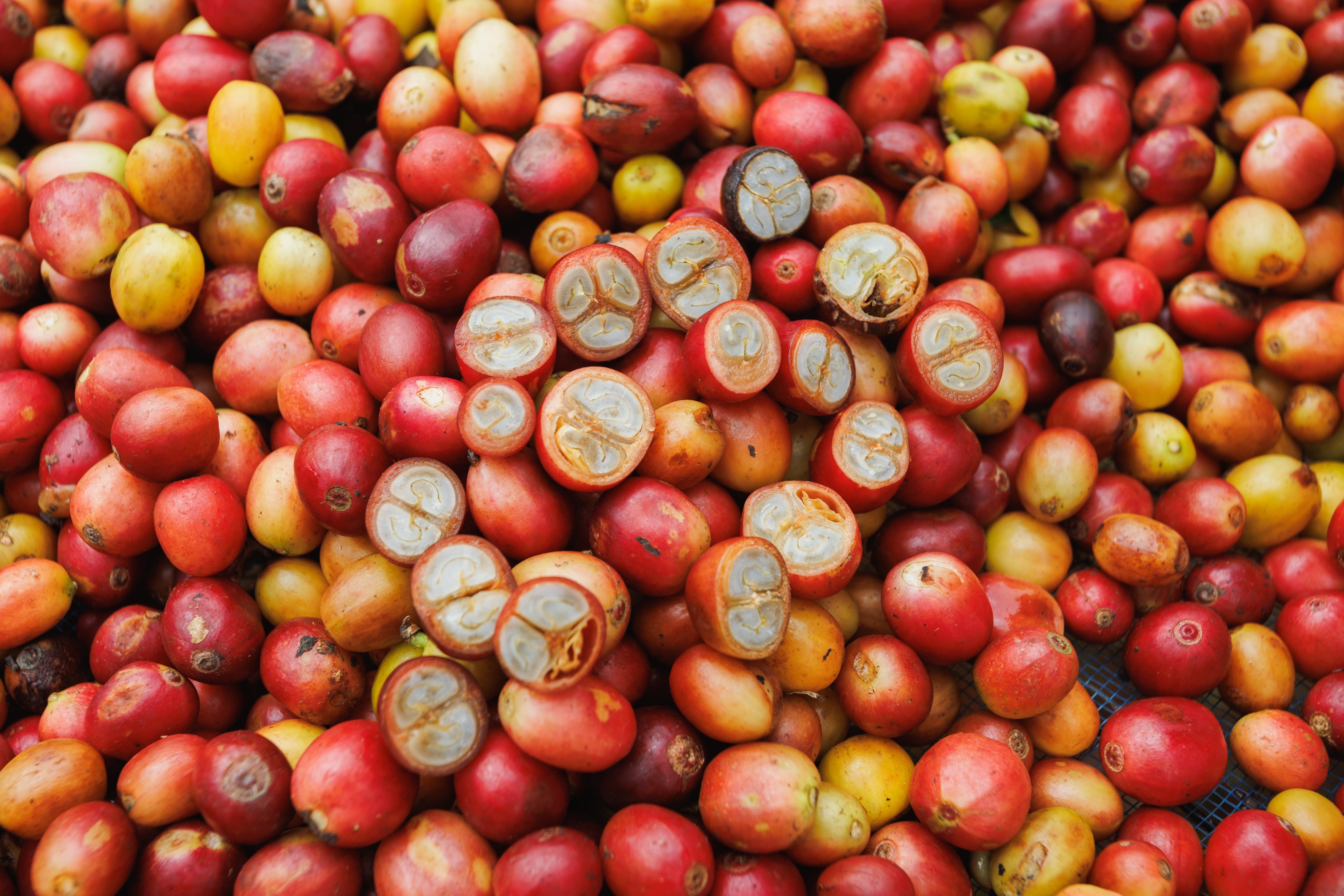
A green coffee bean is simply a coffee bean that hasn't been roasted yet. That's it. It's the seed of a coffee cherry - the small fruit that grows on coffee trees in tropical regions across the world - after the fruit has been removed and the seed has been dried and prepared for export.

At this stage, the bean is dense, hard, and a pale green or grey-green colour. It doesn't smell like coffee yet. It doesn't taste like it either. What it does have is potential - all the complex sugars, acids, proteins, and lipids that the roasting process will eventually transform into the flavours you know.

100 Green Beans AU

A Quick Word on Processing

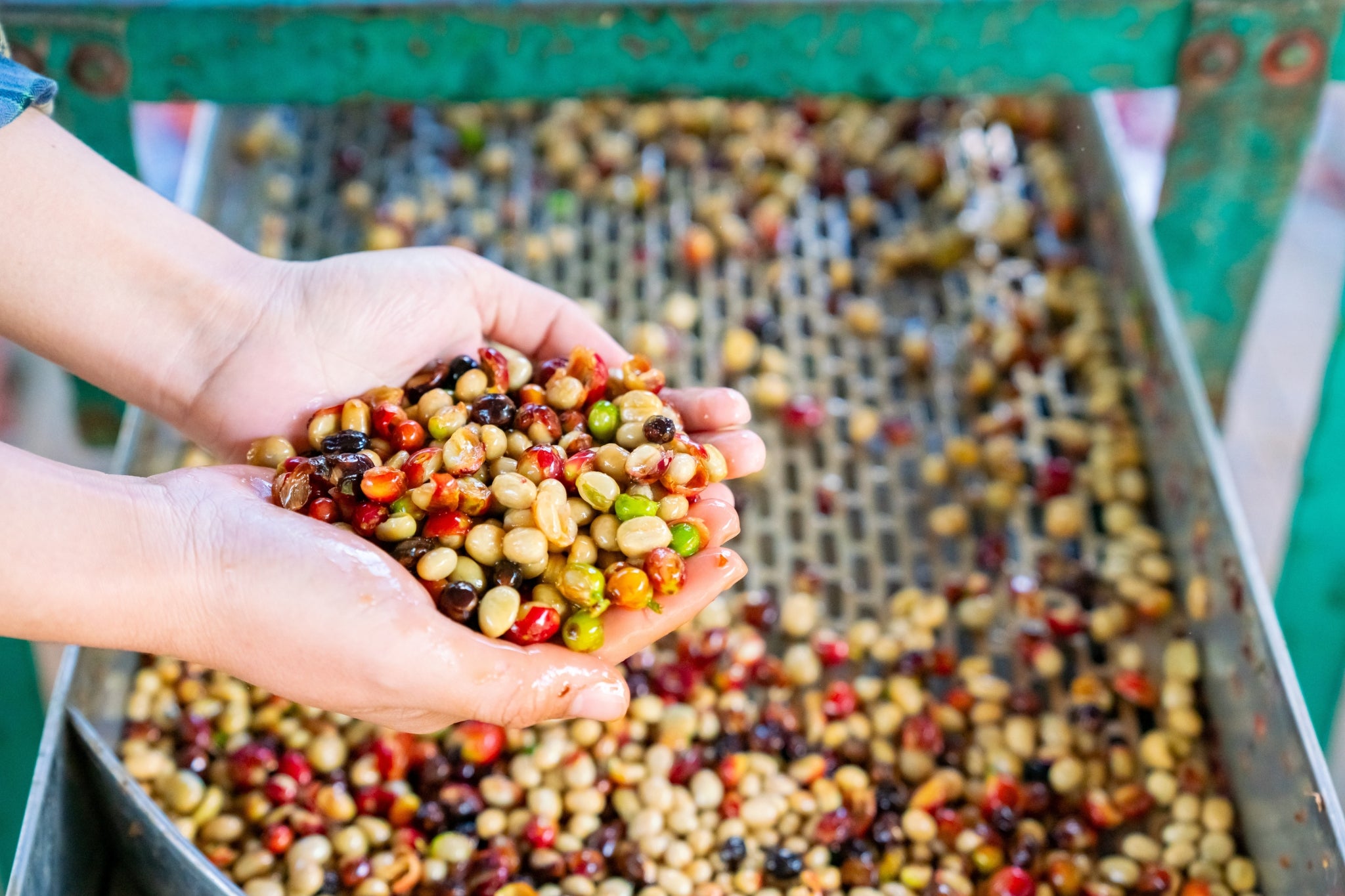
Before a green bean reaches you, it's gone through a processing stage - the step where the fruit of the coffee cherry is removed from the seed. How that's done has a real impact on what the coffee tastes like, and it's worth knowing the basics.

There are two main approaches:

Washed processing (also called wet processing) removes the fruit before drying. The beans are pulped, fermented briefly to loosen any remaining fruit material, then washed clean and dried. The result is a cup that's cleaner and brighter, where the character of the origin - the soil, the altitude, the variety - tends to come through clearly.

Natural processing (also called dry processing) dries the whole cherry intact, with the fruit still wrapped around the bean. The seed absorbs sugars and flavour compounds from the fruit as it dries. The result is often fuller-bodied and fruitier, with more sweetness and sometimes a characteristic fermented quality that can range from wine-like to intensely tropical.

There are other methods too - honey process, anaerobic fermentation, and others - but washed and natural are the two you'll encounter most often, and understanding the difference gives you a solid foundation. You can learn more about processing in our article “What is Processing?”

100 Green Beans AU

So What Does Roasting Actually Do?

Think of it like this: the green bean is the ingredient. Roasting is the cooking. And just like any other ingredient, what goes in determines what comes out.

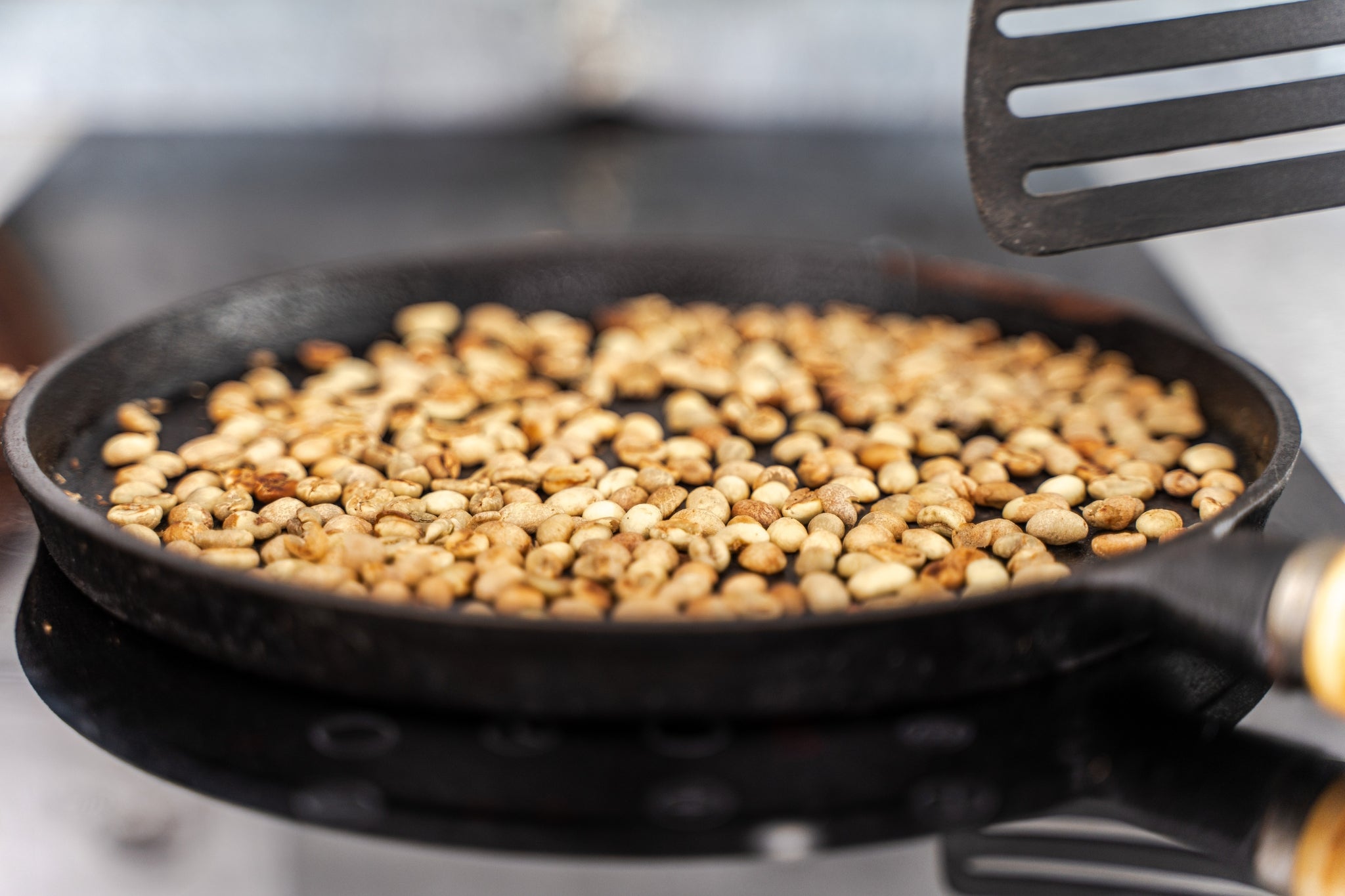
When heat is applied to a green bean, a series of chemical reactions happen in quick succession. Moisture is driven out. Sugars caramelise. Acids develop or break down depending on the temperature and time. The bean expands and changes colour - from green, through yellow, through various shades of brown - as hundreds of different flavour compounds are formed.

The roaster's job is to navigate all of that, making decisions in real time about when to push the heat, when to back off, and when to stop. Those decisions shape the final cup dramatically.

A light roast preserves more of the bean's origin character - the florals, the fruit, the brightness that come from where and how it was grown. A dark roast pushes further into the heat-driven flavours - the chocolate, the caramel, the roast character itself. Neither is better. They're different expressions of the same starting point.

But here's the thing: once a bean is roasted, the clock starts ticking. Roasted coffee is actively going stale. The compounds that carry flavour are volatile - they off-gas, they oxidise, they fade. That's why the freshest thing about most coffee is the bag.

Green beans, by contrast, are stable. Stored correctly, they hold their quality for a year or more. When you roast at home, you're working with fresh, intact potential - and you're pulling it off in a batch you're actually going to use. That changes everything.


100 Green Beans AU

Why Buy Green Beans?

There are a few good reasons, and they build on each other.

Freshness is the obvious one. You roast when you're ready, in the quantity you need, and you brew within days. That's not something any pre-roasted bag can offer.

Control is the next. You decide the roast level. You experiment. You dial in a profile over multiple batches until you find exactly what you're looking for from a particular bean. Light and bright one week, deeper and chocolatey the next. Same bean, different cup.

Then there's value. Green beans are generally significantly less expensive per kilogram than roasted specialty coffee, because you're buying the raw ingredient rather than paying for the roasting, packaging, and often the retail margin layered on top. The savings aren't trivial.

And finally - understanding. Buying green beans puts you in direct contact with the origin of your coffee. Where it was grown. How it was processed. What the variety is. That knowledge changes how you taste, and it makes the whole craft more interesting.

100 Green Beans AU

Ready to Start?

Home roasting isn't complicated. It does take some curiosity and a willingness to experiment - but that's most of what makes it worthwhile.

If you're new to it, a good starting point is choosing an origin that suits the kind of coffee you already enjoy, then picking a roasting method that fits what you have at home. If you're not sure where to begin, read our article “Roasting Coffee Beans at Home”.

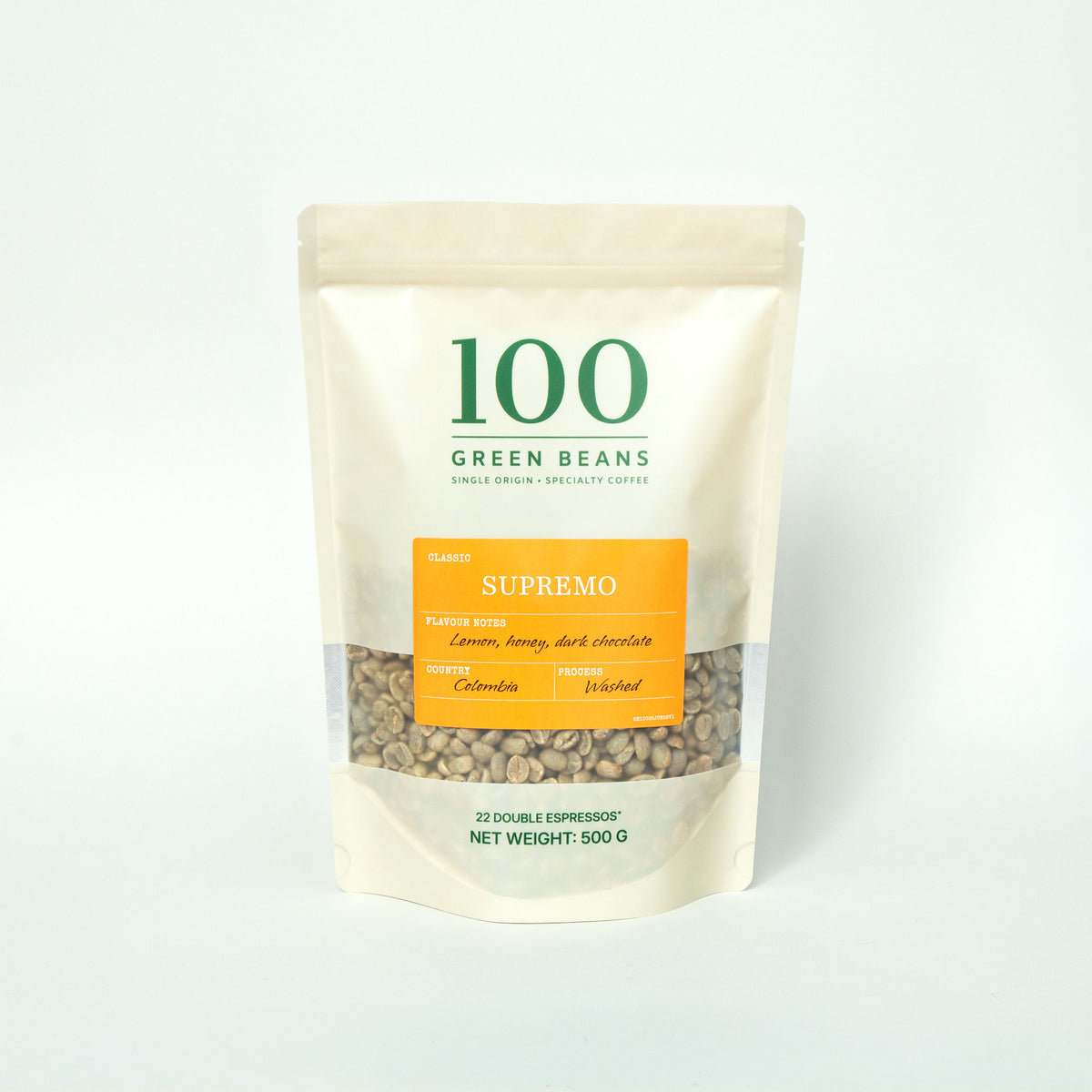
And if you want to skip straight to the beans, our full range is here. Every product page goes through tasting notes, processing information, and roast guidance to help get you started.

Shop the Range

Explore our full range and buy your favourite green beans.

Shop Now