Skip to content

What is Coffee Processing?

Picture this: You've found a bean you like the sound of – Ethiopian, Grown at 1,900 metres, described as floral and fruity with a bright, clean finish. You order it, it arrives, you roast it, and it tastes exactly like that. Next, you try a different Ethiopian bean from the same altitude and same region. And it's wilder, fuller, jammy and fermented, and almost wine-like. You didn't change the origin. You didn't change your roast. So, what happened?


Processing happened. And once you understand it, you'll never look at a bean description the same way again.

100 Green Beans AU

What exactly is coffee processing?

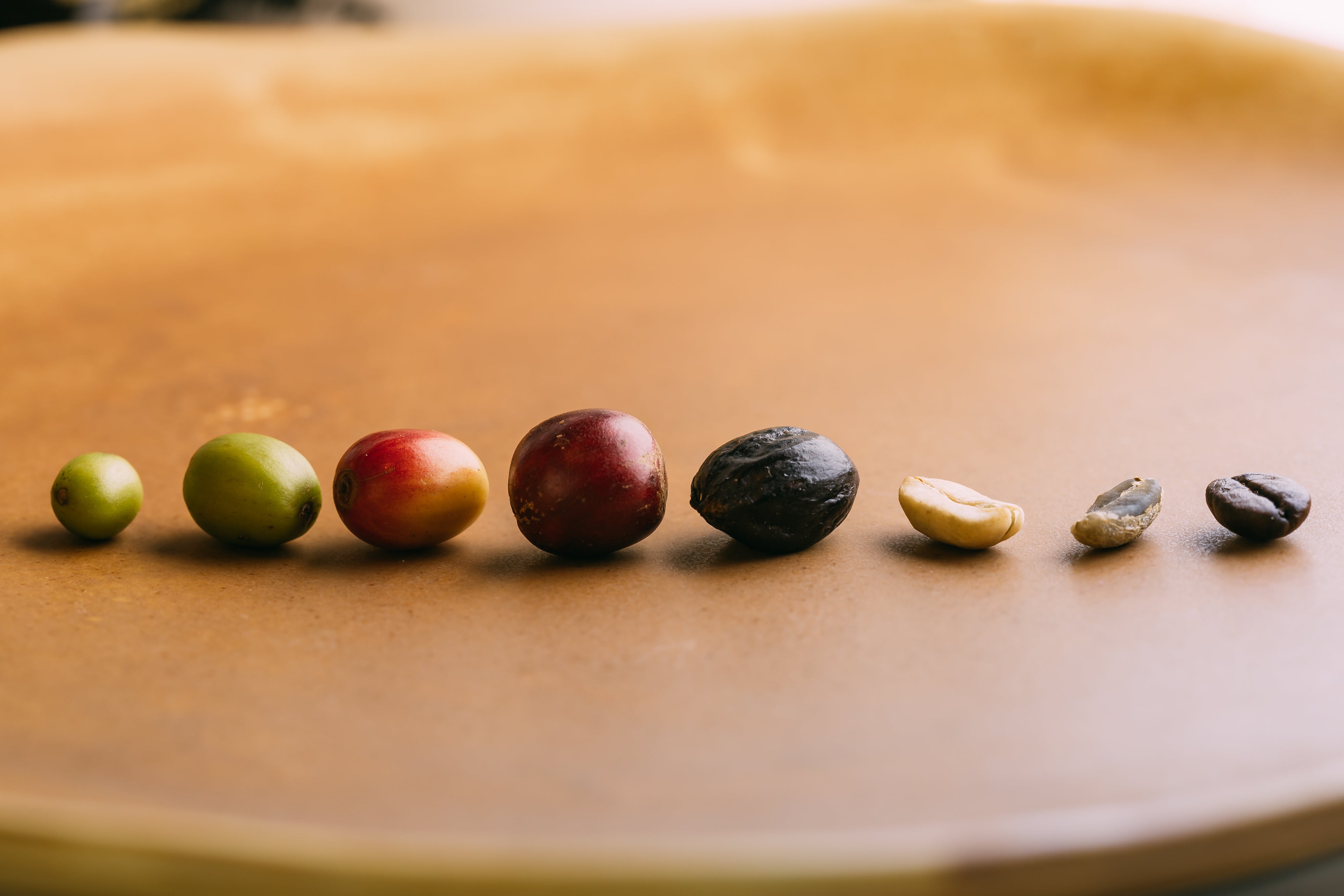
After coffee cherries are harvested, the fruit is removed and the green bean inside is dried. This is processing. The decisions made during this stage - how quickly the fruit is removed, whether any fermentation occurs, how long and how the bean dries - have a profound effect on what ends up in your cup.Same origin. Same variety. Same altitude. Completely different cup. That's the power of process.

100 Green Beans AU

Washed Processing

Washed processing - sometimes called wet processing - is the method most associated with clarity and precision. It's widely used in Ethiopia, Colombia, Kenya, and Central America, and it's often the default for specialty-focused farms that want the bean's origin character shine through.

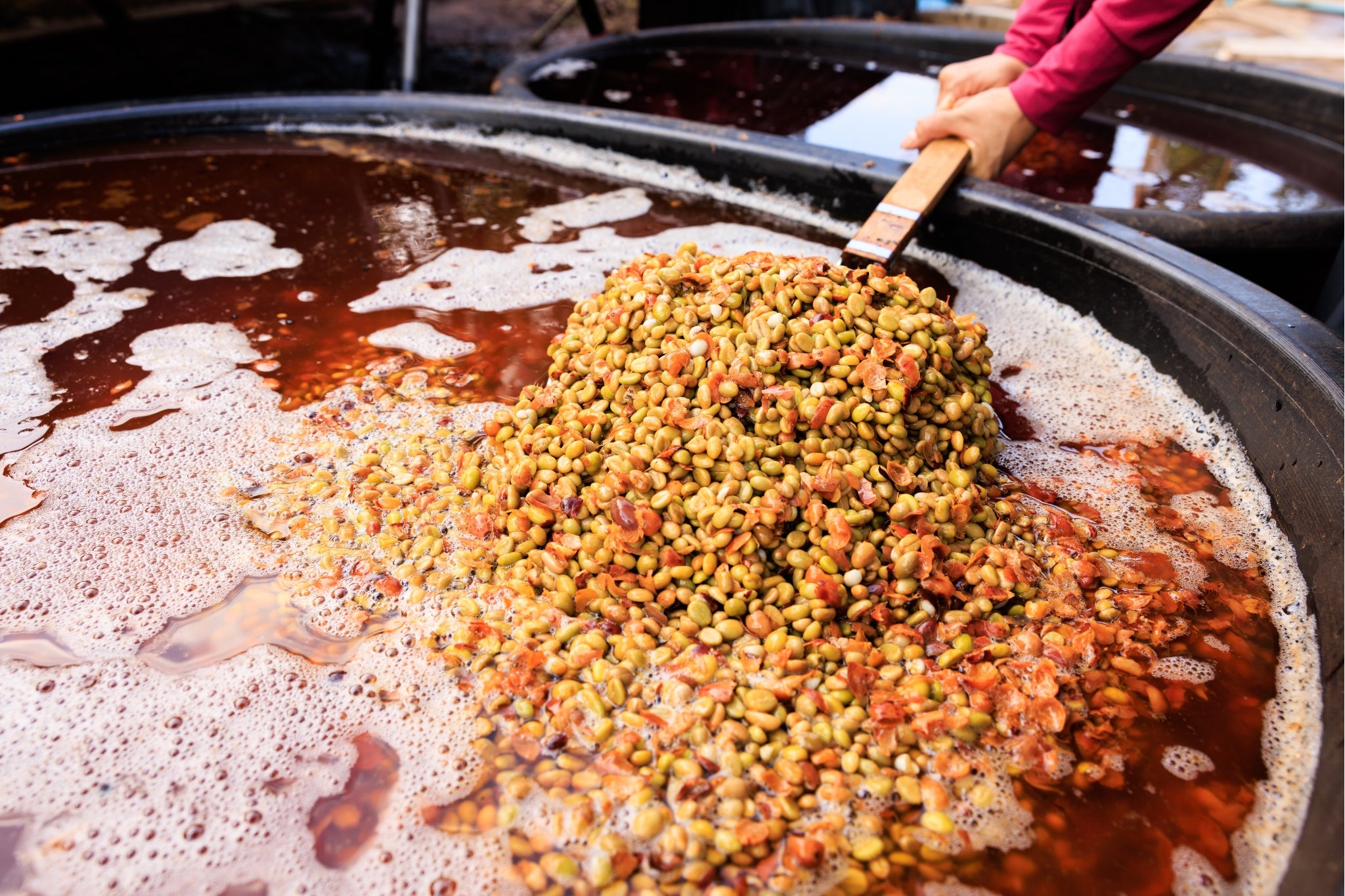
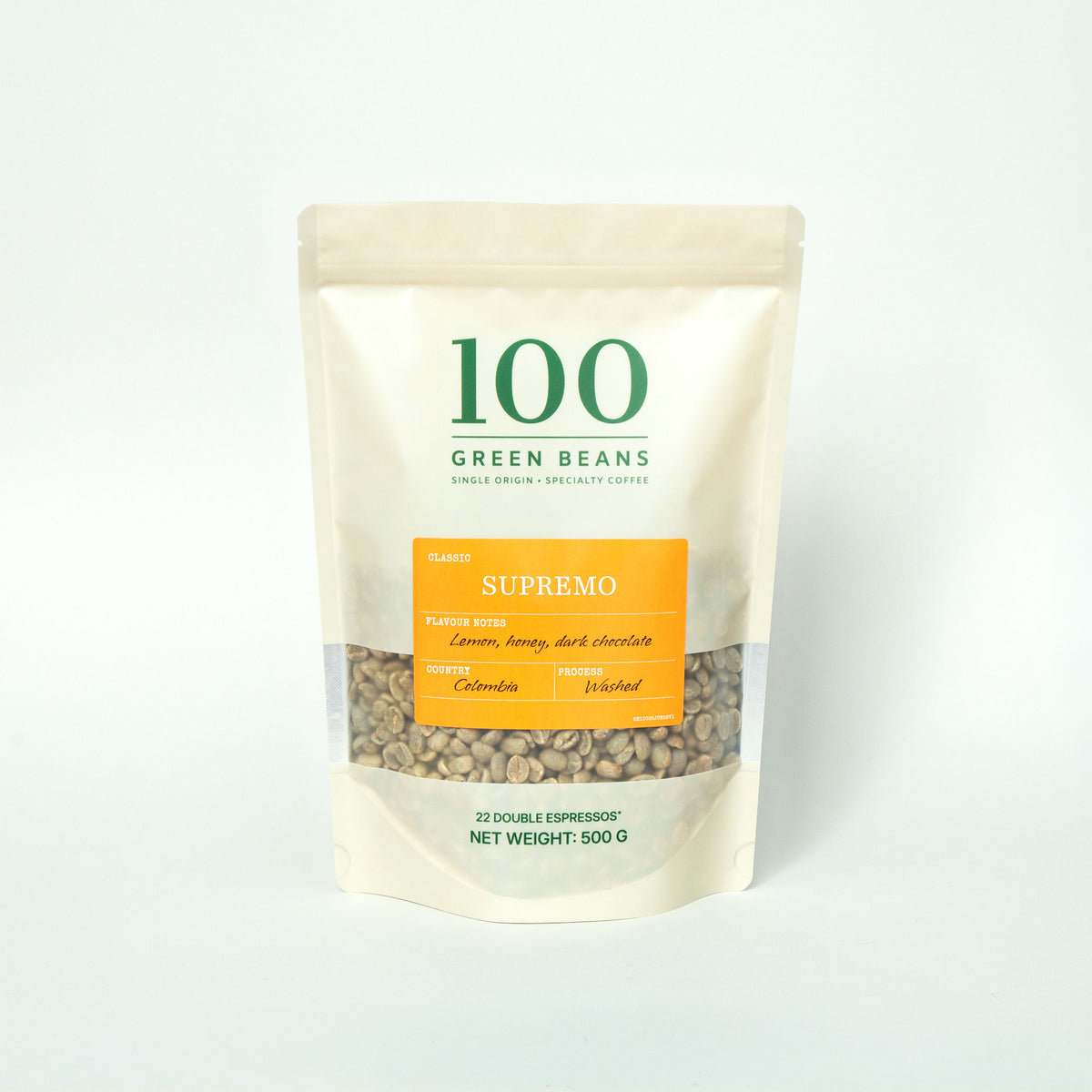
Here's how it works: Once harvested, the outer skin of the cherry is removed mechanically - this is called pulping. The bean is then left to ferment, typically submerged in water or in open tanks, for anywhere from 12 to 72 hours depending on the producer and the climate. Fermentation loosens the sticky layer of fruit mucilage still clinging to the bean. After fermentation, the beans are washed thoroughly with clean water, then dried - usually on raised beds in the sun.

Because the fruit is removed early and the bean dries clean, less of the fruit's character transfers to the seed. What you're left with is a cup that's transparent to origin - the florals, the acidity, the terroir of the region tends to come through clearly and without interference. Washed coffees are often described as bright, clean, and structured.

If a coffee's profile is all about precision and place - think Ethiopian coffees with jasmine and bergamot, or Colombian coffees with crisp stone fruit - there's a good chance it was washed.

100 Green Beans AU

Natural Processing

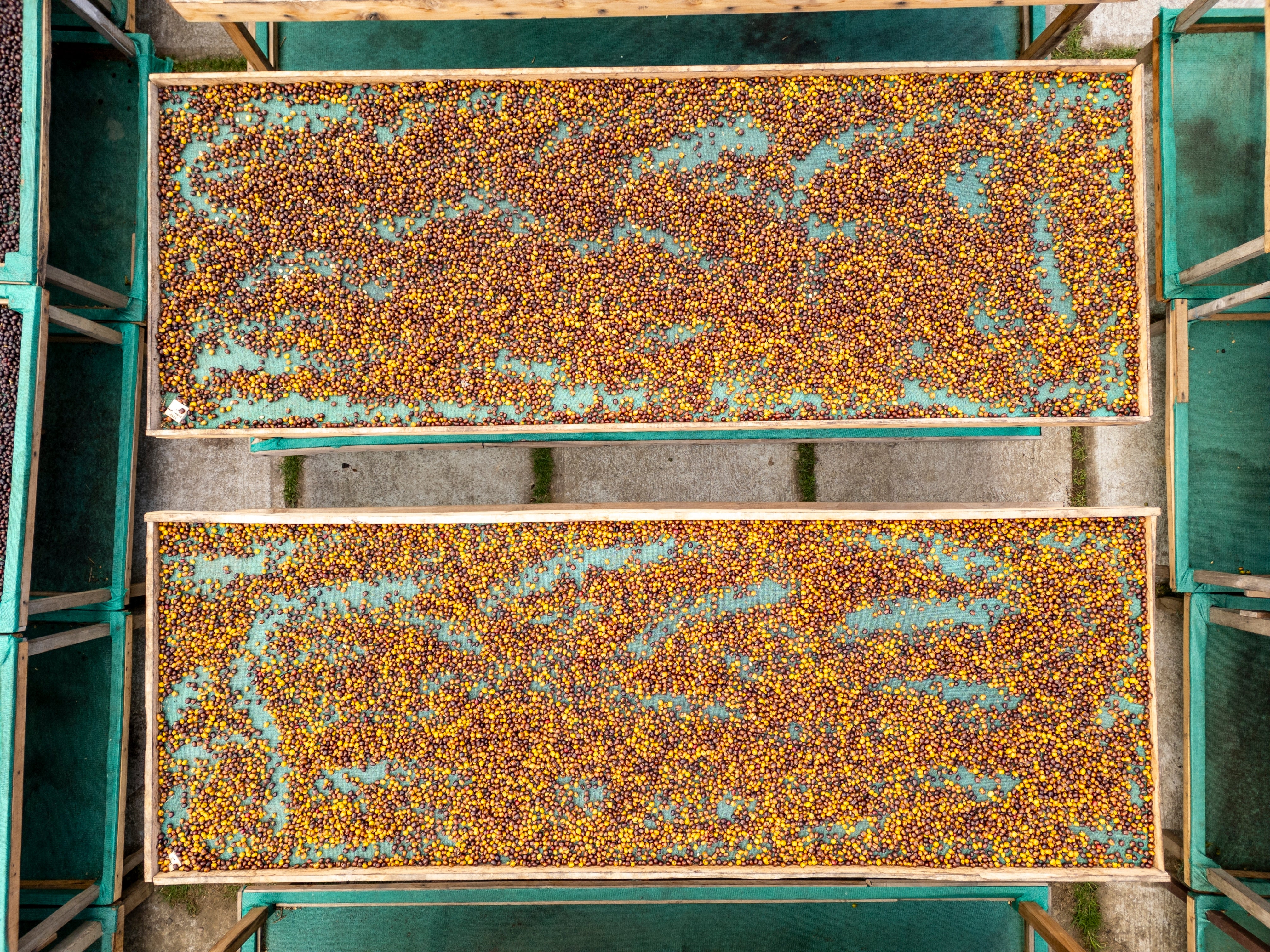
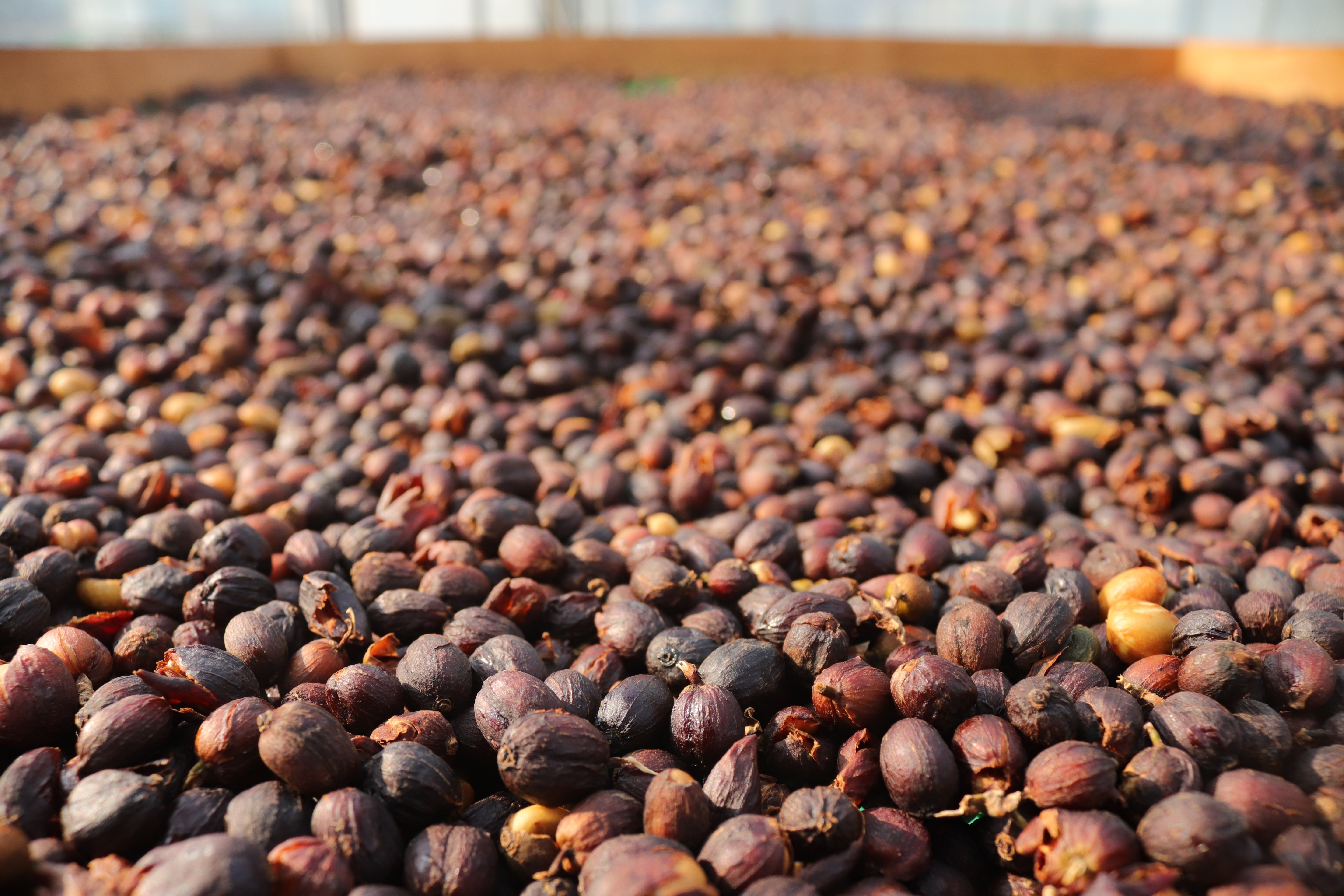
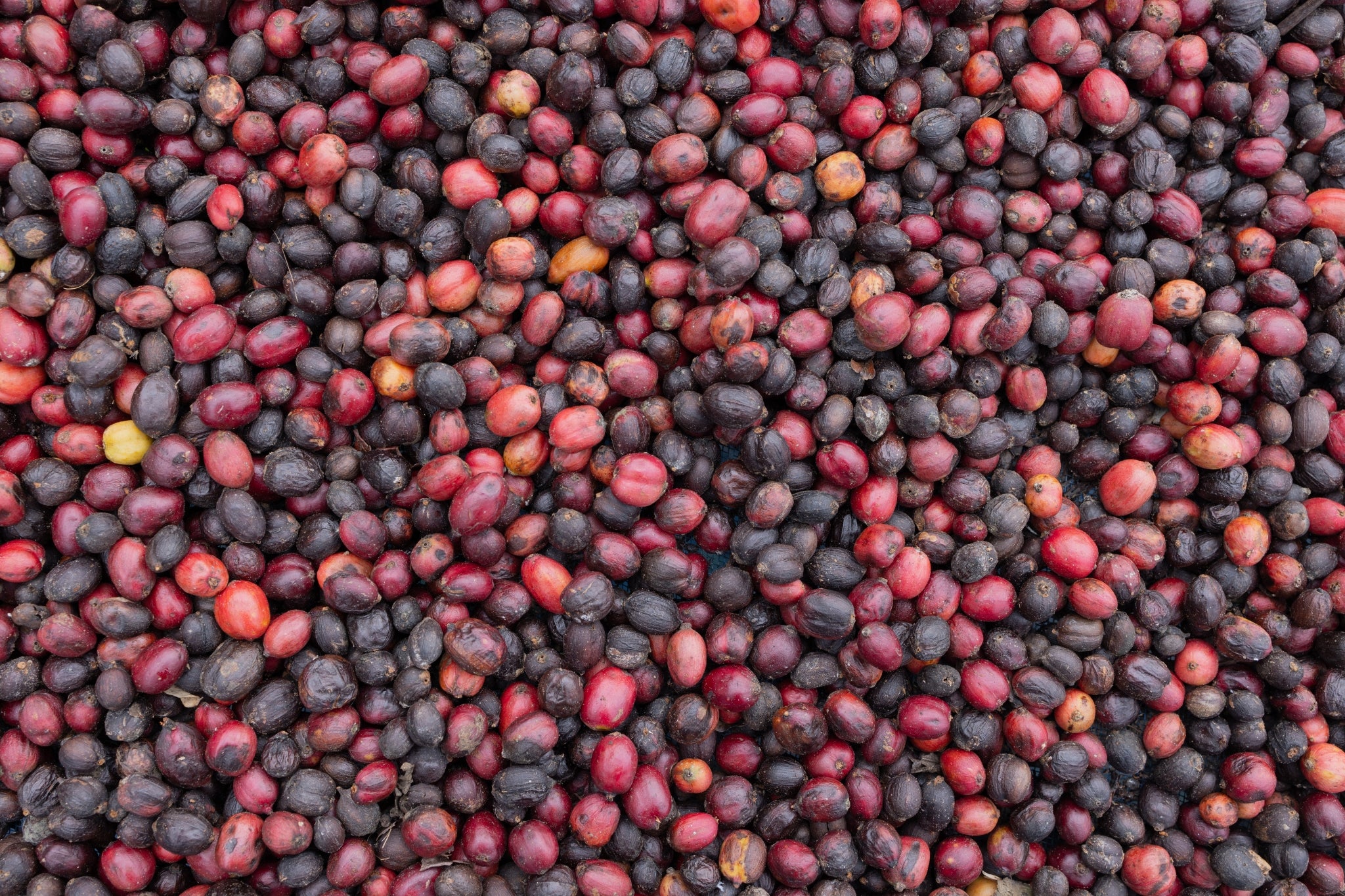
Natural processing - also called dry processing - is the older of the two methods, and in many ways the simpler one. Instead of removing the fruit before drying, the whole cherry is dried intact. The seed sits inside the fruit for weeks, absorbing sugars and compounds as everything slowly dries down.

The result is a cup that's harder to miss. Naturals tend to be fuller-bodied, sweeter, and more fruit-forward - often with berry, tropical fruit, or wine-like notes that can feel almost decadent compared to their washed counterparts. The fermentation that naturally occurs during the drying process adds complexity that some roasters and drinkers love, and others find confronting.

Brazil - which produces a significant proportion of the world's coffee - relies heavily on natural processing, in part because the climate suits it and in part because the method is well-suited to large-scale production. Ethiopian naturals, particularly from the Yirgacheffe and Sidama regions, are famous for their intense blueberry and tropical fruit character.

Natural coffees reward patience when roasting. The extra sweetness and density mean the bean behaves a little differently under heat - worth keeping in mind if you're dialing one in for the first time.

100 Green Beans AU

Honey Processing

Honey process sits between washed and natural - and no, there's no actual honey involved. The name comes from the sticky feel of the bean during drying.

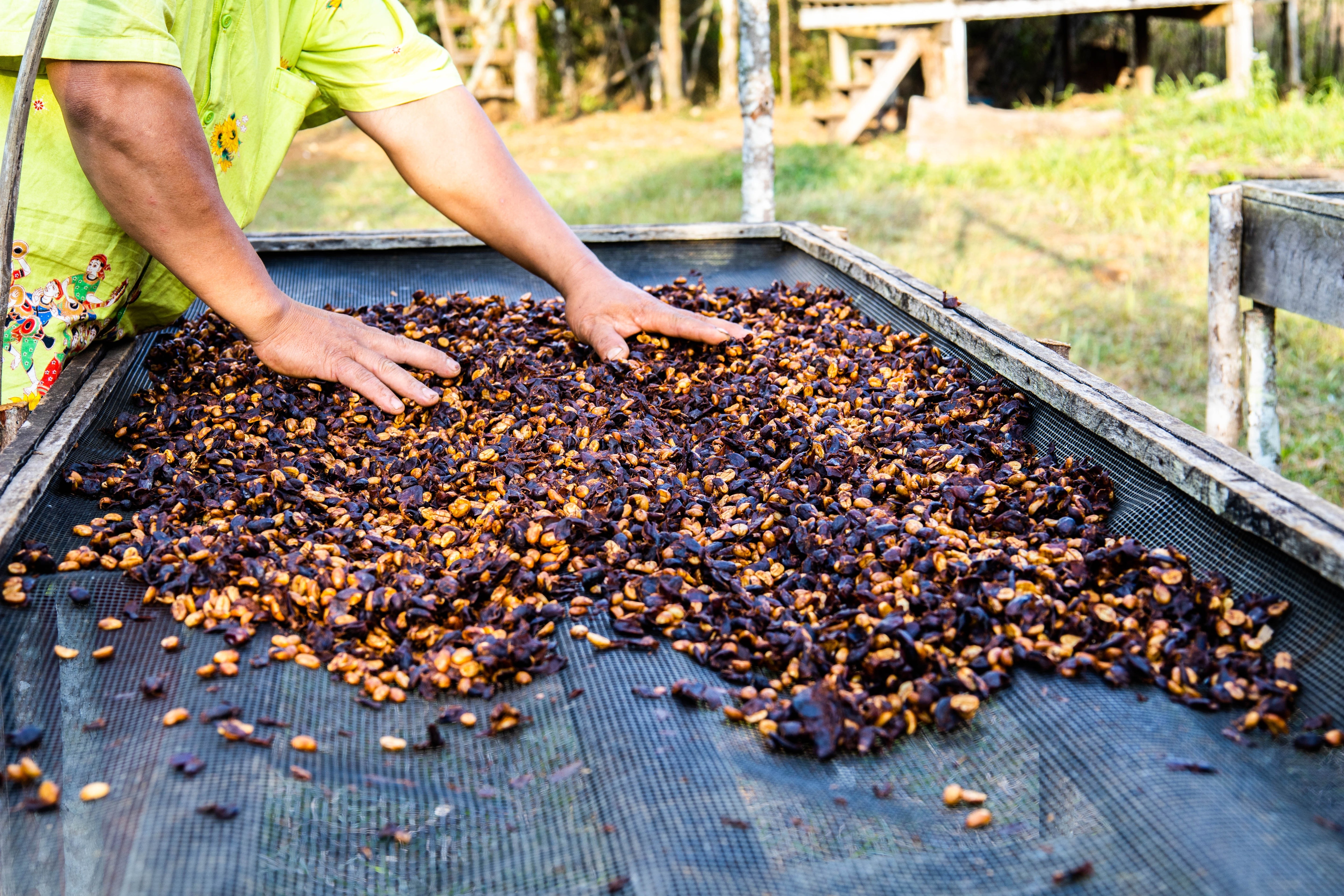
In honey processing, the skin is removed (as in washed), but some or all of the mucilage layer is deliberately left on the bean before it goes to the drying beds. How much mucilage is retained determines the classification - white honey, yellow honey, red honey, and black honey refer to increasing amounts of fruit left on, which in turn means more fermentation activity and more fruit character in the cup.

The result is a middle ground: cleaner than a natural, more body and sweetness than a washed. Honey process coffees are common in Costa Rica and parts of Central America, and they're often described as smooth, round, and approachable.

100 Green Beans AU

Semi-Washed/Wet-Hulled Processing

There's one more method worth knowing, particularly if you're working with Indonesian coffees.

Semi-washed or wet-hulled processing (known locally as Giling Basah) is distinctive to the Indonesian archipelago, and it produces coffees with a character unlike anything else. In this method, the beans are partially dried before the parchment layer is stripped off while the bean is still quite moist - the opposite of the usual approach, where parchment is removed once fully dry.

The beans then continue drying exposed to air at a much higher moisture content than in other methods. The result is a coffee with lower acidity, heavier body, and a range of earthy, herbal, or spiced notes that are genuinely unique to the region. It's an acquired taste for some - but fans of Sumatran coffee know exactly what they're looking for, and they know it when they find it.

100 Green Beans AU

Decaf Processing

Decaffeination is its own category entirely and is applied to the green bean after the above processing methods. There are a few different approaches, but the most common ones you'll encounter are the Swiss Water Process and the CO2 method.

Swiss Water Process uses water and activated charcoal filters to draw caffeine out of the bean without chemical solvents - it's widely used for specialty-grade decaf and is certified organic.

The CO2 method uses pressurised carbon dioxide to extract caffeine with minimal impact on the bean's flavour compounds and is considered one of the gentler options for preserving origin character.

A third method - solvent-based processing using ethyl acetate or methylene chloride - is also used commercially, though is less common in the specialty space.

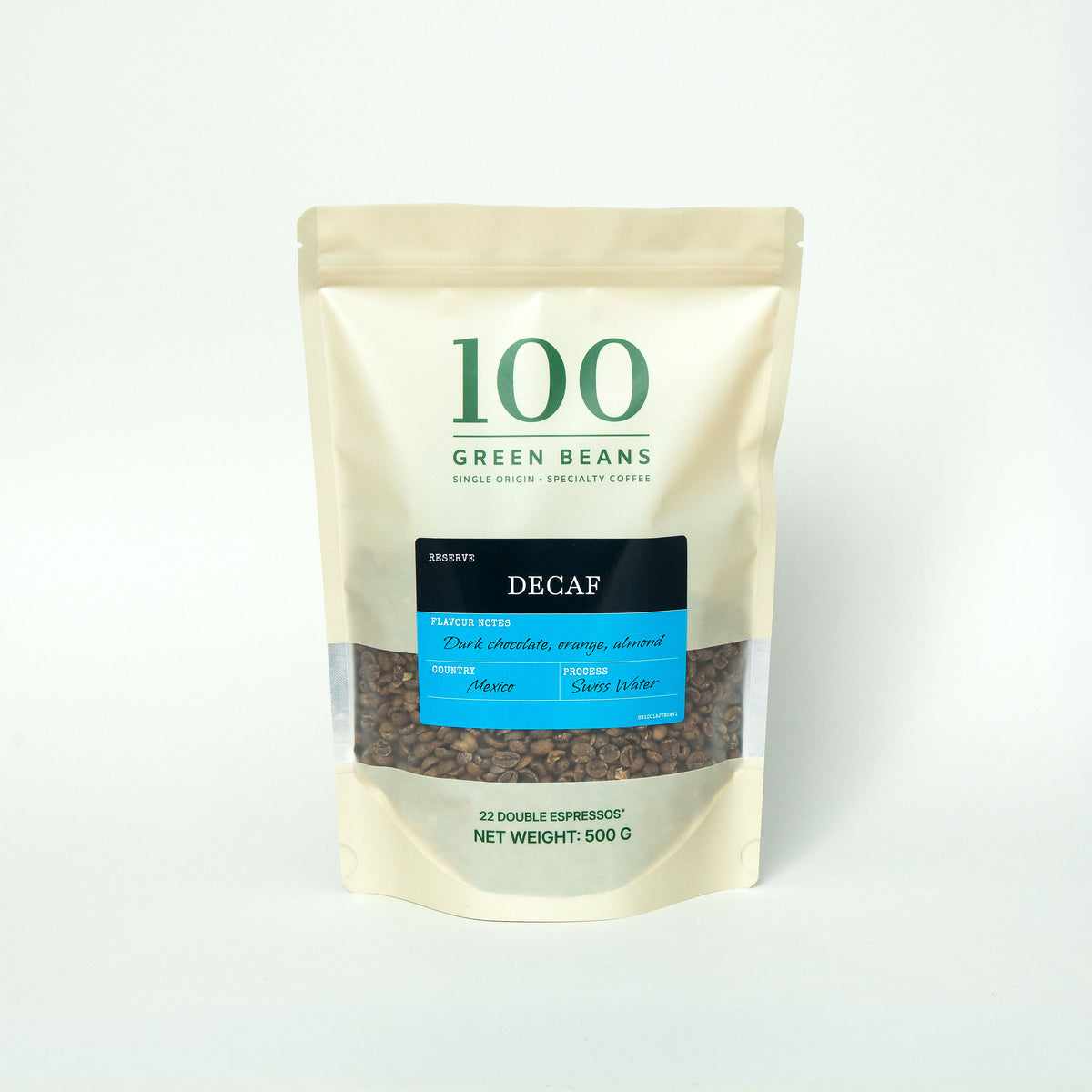
Whichever method is used, the goal is the same: remove the caffeine while leaving as much of the bean's flavour potential intact as possible. Our Mexico decaf uses Swiss Water Process - so if you're roasting it at home, you're working with a bean that's been handled carefully from the start.

Decaf green beans roast similarly to their caffeinated equivalents, though they tend to be slightly more porous and can develop a little faster which is worth keeping in mind during roasting.

100 Green Beans AU

Why Does This Matter for Home Roasters?

Processing information is listed on every product page in our range and it's there because it's relevant. It will help you make decisions around how you roast and give you an idea of what to expect in your final cup.

Natural and honey-processed coffees tend to carry more residual sugars into the roast. Those sugars caramelise under heat, which can mean more development happening in the later stages of the roast. Going too fast can mean the outside of the bean develops faster than the inside, which produces a roast that tastes underdeveloped or baked. Having a little patience and giving the bean little more time in the development phase will do wonders.

Washed coffees tend to be more forgiving and more predictable. The clean, transparent character they carry through processing translates to a roast that's easier to read and adjust. They're often a good starting point if you're still finding your feet.

Wet-hulled Indonesian coffees tend to be denser and harder to read, but the payoff when you get it right is a cup with real depth and character.

Processing is where a lot of what makes coffee interesting - and wildly varied - comes from. The same seed, from the same tree, handled differently, produces a genuinely different result.

Understanding it puts you in a better position to choose, roast, and taste with intention. Which, after all, is the whole point of buying green.


Shop the Range

Explore our full range and buy your favourite green beans.

Shop Now