Skip to content

Coffee Varietals Explained: Species, Varieties, and Why They Matter in the Cup

Picture this: You've found a bean you like the sound of – Ethiopian, Grown at 1,900 metres, described as floral and fruity with a bright, clean finish. You order it, it arrives, you roast it, and it tastes exactly like that. Next, you try a different Ethiopian bean from the same altitude and same region. And it's wilder, fuller, jammy and fermented, and almost wine-like. You didn't change the origin. You didn't change your roast. So, what happened?


Processing happened. And once you understand it, you'll never look at a bean description the same way again.

100 Green Beans AU

Species first: Arabica vs Robusta

There are two species of coffee that dominate global production: Coffea arabica and Coffea canephora. Canephora's most widely cultivated variety is Robusta - a name so dominant that it's become common shorthand for the species itself, even though strictly speaking they're not the same thing.

Arabica accounts for the majority of specialty coffee production worldwide. It's grown at higher altitudes, is more sensitive to climate and disease, and produces beans with greater complexity, more nuanced acidity, and a wider range of flavour potential. It's also harder to grow, which is reflected in the price. Robusta, as the name suggests, is hardier. It tolerates lower altitudes, higher temperatures, and less favourable growing conditions, and it produces a higher yield per plant. The trade-off is in the cup: Robusta is higher in caffeine, heavier in body, and significantly more bitter, with less of the complexity that makes Arabica interesting. It's widely used in commercial espresso blends and instant coffee, where its body and crema-producing qualities are useful. In specialty coffee, it's rarely the star.

There is a third species - Coffea liberica - grown in small quantities in parts of West Africa and Southeast Asia, with a distinctive, sometimes polarising flavour profile described variously as floral, smoky, or woody. It's genuinely rare in specialty circles and worth knowing about, but not something you'll encounter often.

Arabica accounts for the majority of specialty coffee worldwide - and everything in our current range is Arabica. That said, the gap between Arabica and Robusta is narrowing in some corners of the specialty world. A small number of producers, particularly in Vietnam and India, are producing what's being called 'Fine Robusta' - single-origin beans with more nuanced flavour profiles than the commercial Robusta most people know. It's an emerging category worth watching.


100 Green Beans AU

Within Arabica: Varieties

Here's where it gets interesting. Within the Arabica species, there are hundreds of distinct varieties - sometimes called cultivars - each with its own flavour tendencies, growing characteristics, and history. Think of it like the difference between apple varieties: they're all apples, but a Granny Smith and a Fuji are not the same experience.Some of the most important varieties to know are below - not as an exhaustive list, but as a foundation.Typica is one of the oldest cultivated Arabica varieties and the genetic ancestor of many others. It produces a clean, balanced, elegant cup - lower acidity, good sweetness, and a clarity that makes it a useful reference point. Yields are relatively low, which is why it's been largely replaced by higher-producing varieties in many regions, but where it's still grown it's often prized.Bourbon is a natural mutation of Typica, first cultivated on the island of Réunion (then called Bourbon). It produces a sweeter, more complex cup than Typica with a little more body and fruit character. Red Bourbon and Yellow Bourbon are the most common sub-types, with Yellow Bourbon - found frequently in Brazil - producing notable sweetness and caramel notes.Caturra is a natural mutation of Bourbon, first found in Brazil. It's compact and high yielding, which made it popular across Central and South America. The cup quality is good - bright acidity, medium body - though it's generally considered a step below Typica and Bourbon in terms of complexity at its best.Catuai is a hybrid of Caturra and Mundo Novo, bred for high yield and disease resistance. It's one of the most widely planted varieties in Brazil and Central America. Reliable and consistent in the cup, if not always the most exciting.Gesha (also spelled Geisha) deserves a mention not because you'll find it everywhere, but because it's become one of the most discussed varieties in specialty coffee. Originally from the Gori Gesha forest in Ethiopia, it was developed commercially in Panama and produced a cup so dramatically floral and tea-like that it changed what people thought coffee could taste like. Expect jasmine, bergamot, peach, and a delicacy more reminiscent of white tea than coffee. It commands high prices and rewards careful, lighter roasting.Heirloom Ethiopian varieties are a category rather than a single variety. Ethiopia is the genetic birthplace of Arabica coffee, and its forests contain thousands of naturally occurring varieties that have never been formally catalogued or separated. When you see "heirloom" or "indigenous varieties" on an Ethiopian coffee, it means the beans come from this wild genetic pool - which is part of why Ethiopian coffees can be so complex, layered, and difficult to pin down. The diversity is literally built in.SL28 and SL34 are varieties developed in Kenya by Scott Laboratories in the 1930s, selected for drought resistance and cup quality. They produce the characteristic Kenyan profile - intense blackcurrant acidity, full body, and a syrupy sweetness - that has made Kenyan coffee famous among specialty buyers.

100 Green Beans AU

Hybrids and The Disease Question

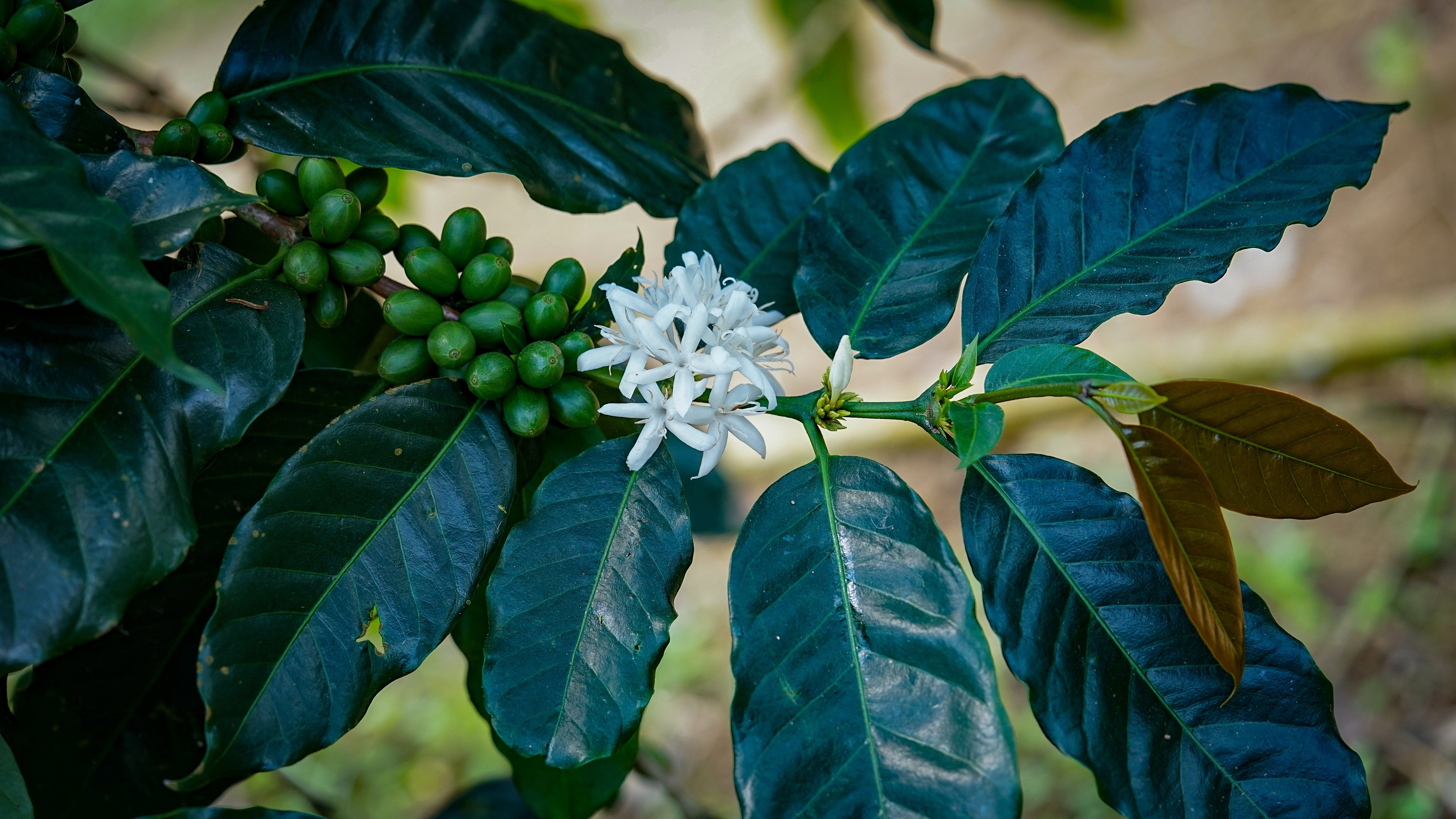
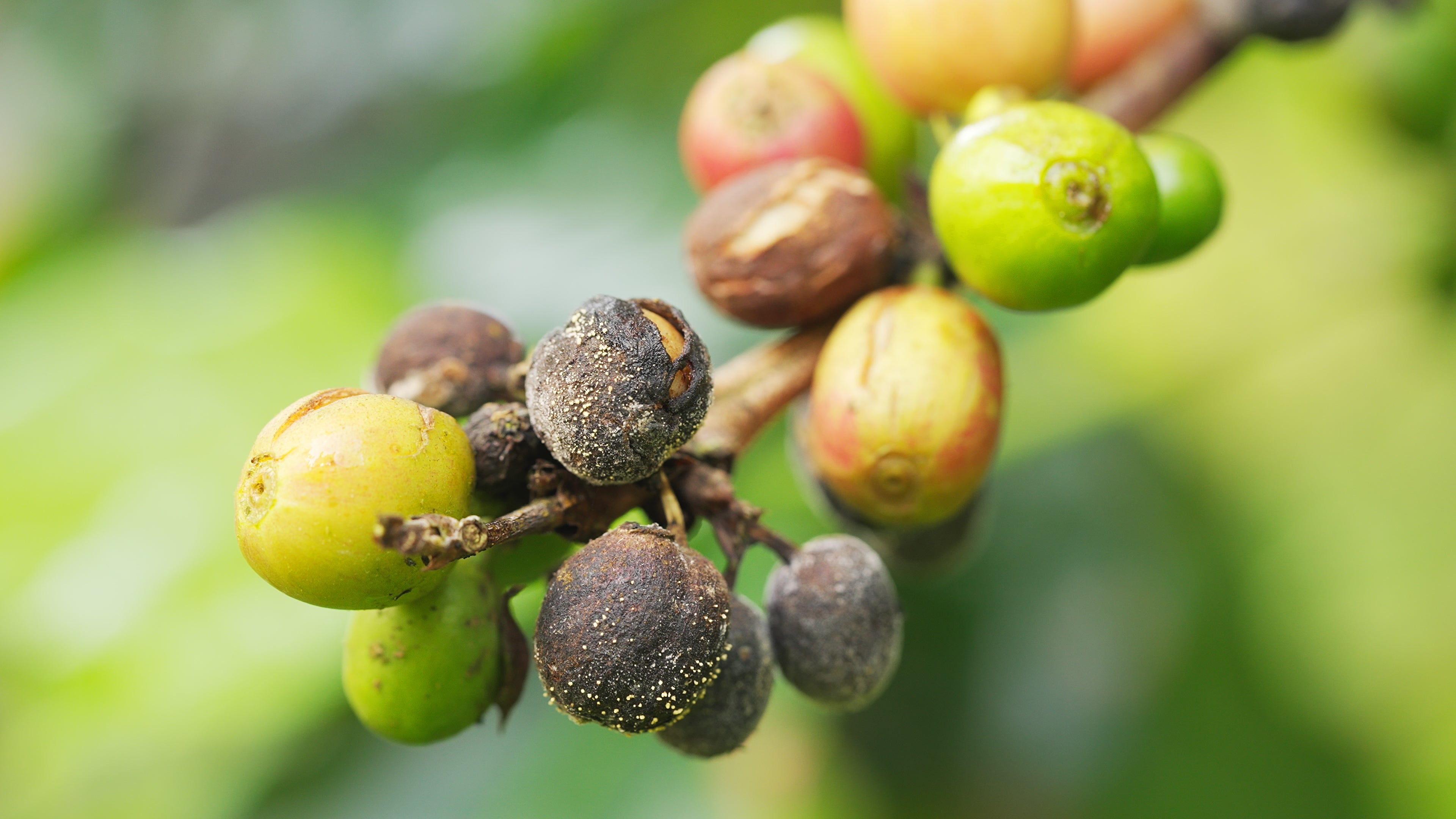
Coffee farming faces a persistent challenge: coffee leaf rust, a fungal disease that can devastate entire crops. It's been a serious problem across Central America, parts of Africa, and Southeast Asia for decades.In response, plant scientists have developed hybrid varieties - crosses between Arabica and Robusta, or between different Arabica strains - that carry disease resistance. Catimor and Sarchimor are two of the most widely planted. The trade-off has historically been cup quality - early hybrids often introduced the woody, rubbery notes associated with Robusta genetics. More recent breeding programmes, particularly in Colombia (Castillo) and Central America, have made significant progress in producing disease-resistant varieties with genuinely good cup quality.It's an area of active development, and worth paying attention to as climate change puts increasing pressure on traditional Arabica-growing regions.

100 Green Beans AU

Variety On Your Product Page

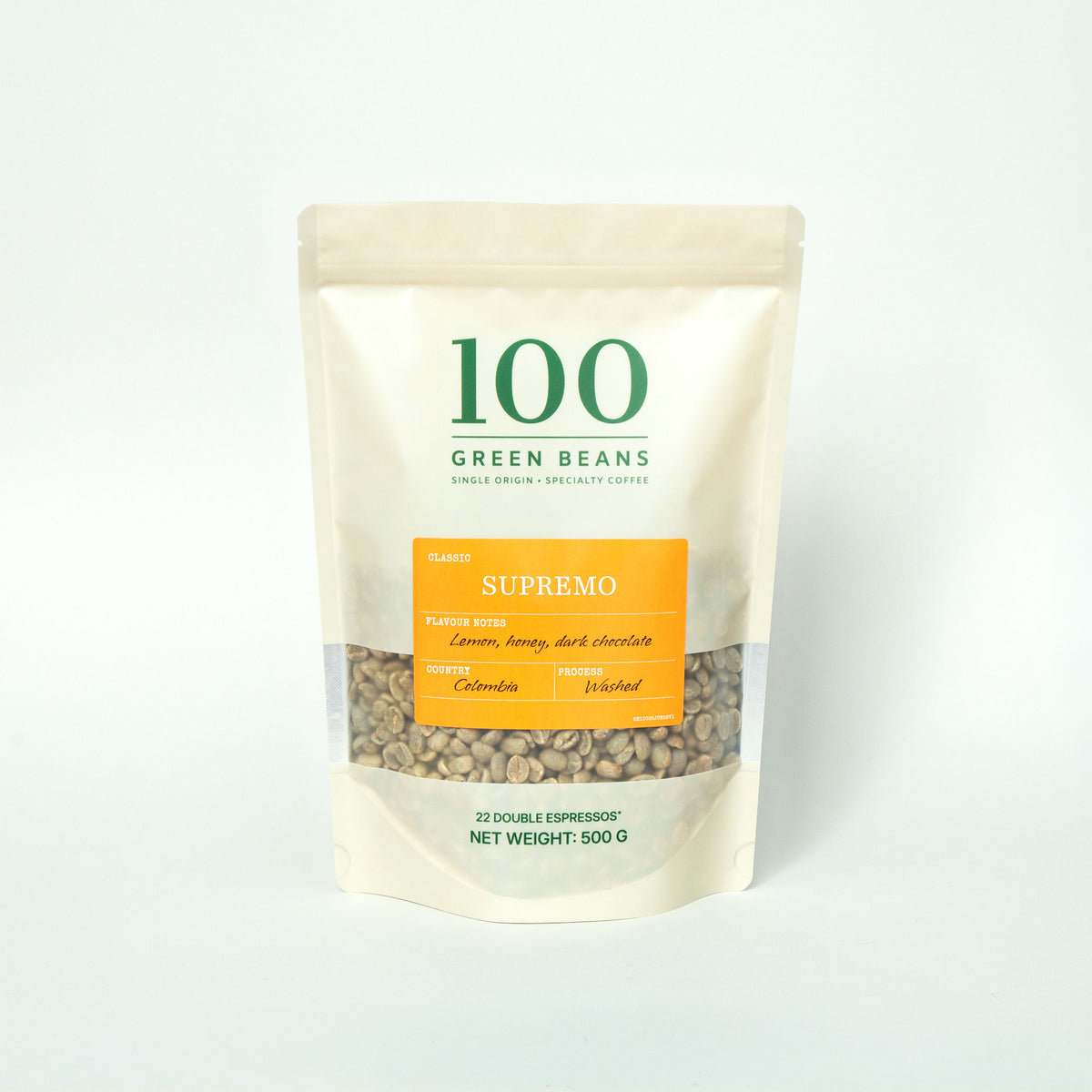
Where we know the variety of the beans in our range, it's listed on the product page. Not every lot comes with varietal information - some origins, particularly Ethiopia and parts of Indonesia, are sold as regional lots where the genetic mix isn't formally documented. But where it's available, it's there - because it's useful context for what you'll taste and how you might approach the roast.Understanding the variety is one more layer of knowing your 100. The more you know about what you're working with, the more deliberately you can work with it.

Shop the Range

Explore our full range and buy your favourite green beans.

Shop Now