Skip to content

Papua New Guinea Green Beans - Origin, Taste & Roasting Guide

Pacific · Wild Highlands, Unexpected Complexity

Papua New Guinea

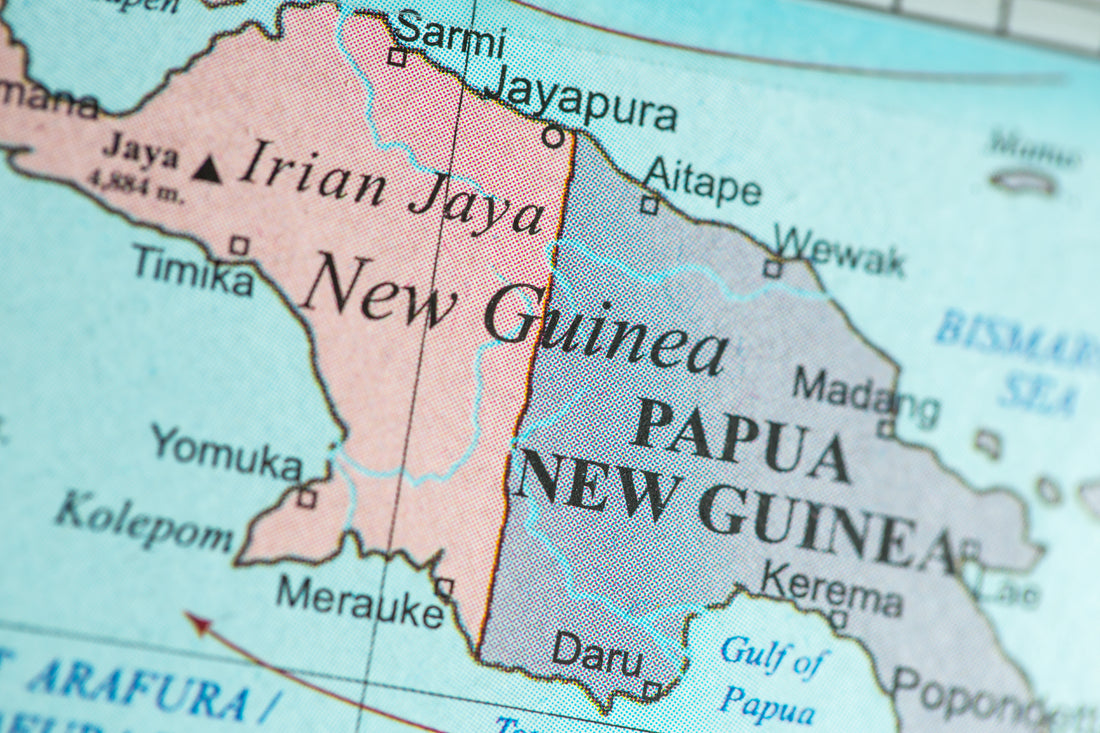
Coffee arrived in Papua New Guinea in the 1920s, planted by the Australian colonial administration on volcanic highland soils that had never been farmed intensively. A century later, the varieties introduced then are still in the ground, tended by the same smallholder families in the same remote highland plots. That continuity is unusual in commercial coffee, and you can taste it: wild, complex, earthy, and full of character that more heavily-managed origins have bred out.

Origin at a Glance

Understanding Papua New Guinea as a Green Bean Producing Origin

World Production Share

~0.5%

Annual Volume (approx.)

~1M 60kg bags

Altitude Range

1,400–1,900m

Harvest Season

April–September

Species

Arabica (highlands), Robusta (lowlands)

Common Processes

Fully Washed (specialty), Natural

Common Certifications

Organic (some), Rainforest Alliance, Fairtrade

Learn More About Processing

Click Here

Key Producing Regions

Altitude • Process • Key Character
Wahgi Valley (Western Highlands)

• 1,500–1,800m

• Fully Washed

• Most established specialty region

Kainantu (Eastern Highlands)

• 1,400–1,800m

• Fully Washed

• Less explored

• Bright, light body

Simbu / Chimbu

• 1,600–1,900m

• Fully Washed

• High altitude

• Wild, intense character

Morobe

• 1,200–1,600m

• Fully Washed

• Lower altitude

• More commercial

Key Facts

Fun Green Bean Facts From Papua New Guinea

Fact 1

The original planting stock for Papua New Guinea's highland coffee is believed to have come from Jamaica's Blue Mountain region - widely cited, though difficult to verify from primary sources. If accurate, it gives Papua New Guinea's Typica varieties a genetic lineage that connects them to one of the most historically prized coffees in the world.

Fact 2

Papua New Guinea highland coffee plots are typically small family gardens, not commercial farms. The same families have been tending the same trees for generations - old plants with deep root systems, lower yields, and more concentrated flavour than younger commercial plantings. Minimal intervention isn't a marketing angle here. It's just what happens when infrastructure is limited and farming is traditional.

Fact 3

Some coffee trees in Papua New Guinea's highlands are genuinely old - 50 to 80 years or more. Old trees produce less, but the complexity and concentration they develop is something replanting programmes can't replicate quickly. It's one of the few origins where age of plant is a meaningful quality factor.

Fact 4

The Wahgi Valley in the Western Highlands is Papua New Guinea's most established specialty region - established enough for estate operations, but remote enough that the wild, untamed character that defines the origin hasn't been managed away.

Varietals

Understanding the Green Bean varietals that come from the Origin of Papua New Guinea
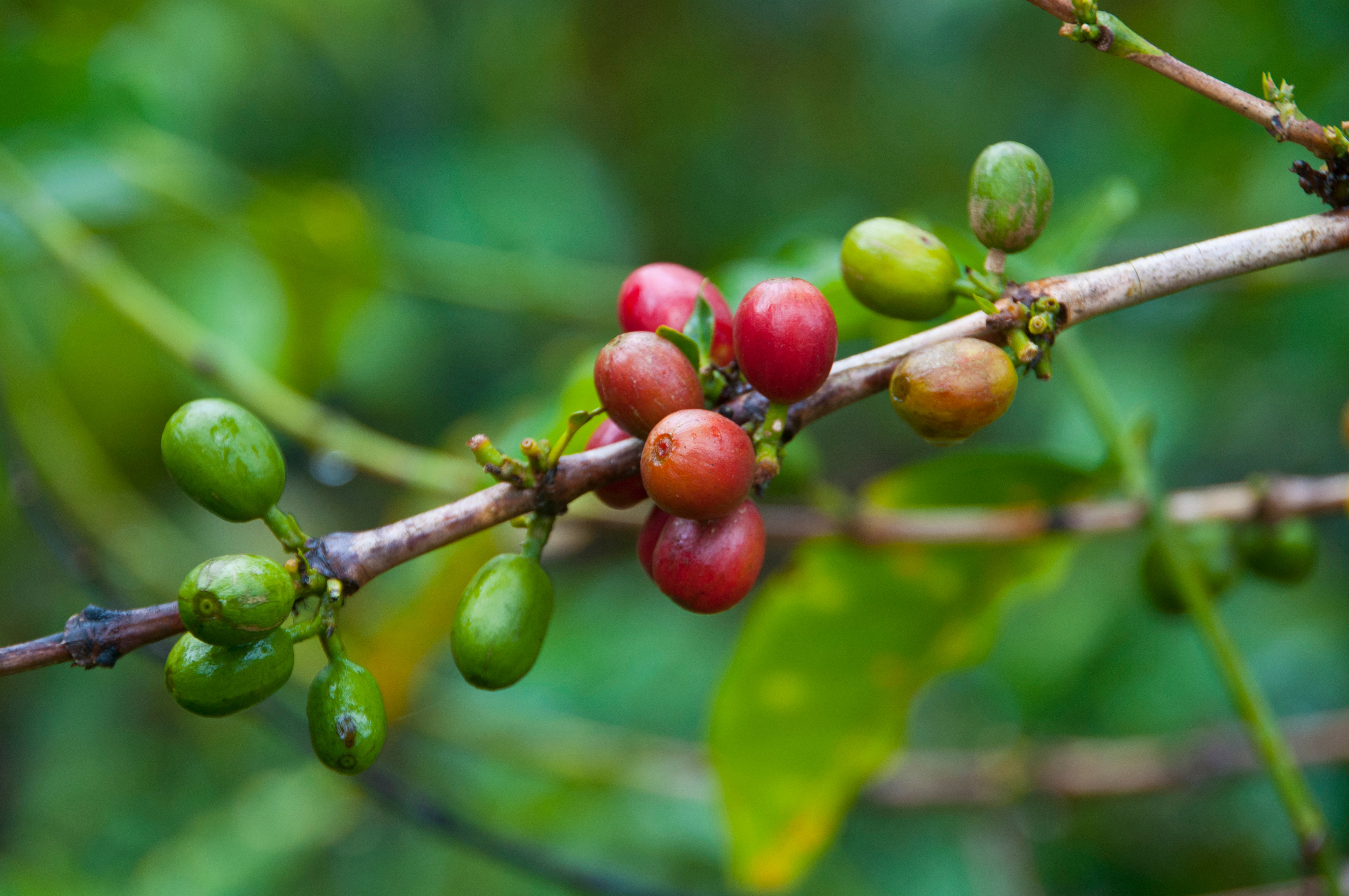
Three varieties define PNG highland coffee: Typica and Bourbon introduced in the 1920s, and Arusha added from Tanzania in the mid-20th century. A century of growing on volcanic highland soils has shaped all three into something that doesn't quite match their performance anywhere else.

Shop Green Beans

Interested in shopping from our Papua New Guinean Green Bean Range? Click the link below.

Shop Now