Skip to content

Brazilian Green Beans - Origin, Taste & Roasting Guide

South America • The World's Largest Coffee Producer

Brazil

A third of the world's coffee comes from Brazil. That number alone tells you something - but it doesn't tell you why Brazilian coffee tastes the way it does. Lower altitudes, flat terrain, and a deep tradition of natural processing produce beans with a character that's hard to mistake: low acidity, full body, and sweetness that leans towards chocolate and nuts, rather than fruit and brightness. It's one of the most approachable origins for home roasters, and one that rewards going deeper.

Origin at a Glance

Understanding Brazil as a Green Bean Producing Origin

World Production Share

35%

Annual Volume (approx.)

~60–70 million 60kg bags

Altitude Range

700-1,300m

Harvest Season

May - September

Species

Arabica (dominant) + Robusta (Conilon)

Common Processes

Natural (dominant), Pulped Natural, Washed

Common Certifications

Rainforest Alliance, Organic, Fairtrade

Learn More About Processing

Click Here

Key Producing Regions

Altitude • Process • Key Character
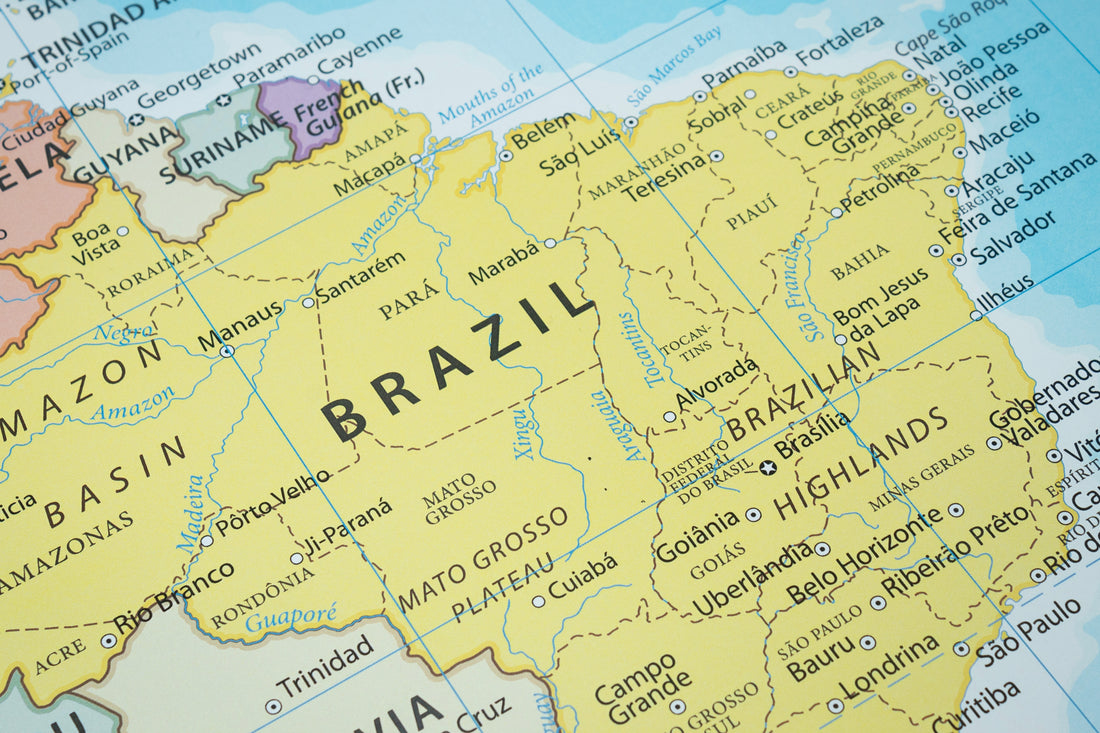
Mantiqueira de Minas

• 1,000–1,300m

• Natural

• High altitude for Brazil

• Complex, delicate cup

Cerrado Mineiro

• 850–1,100m

• Natural

• Brazil's first denomination of origin coffee region

Sul de Minas

• 700–1,100m

• Natural & Pulped Natural

• Largest sub-region of Minas Gerais

Mogiana (São Paulo)

• 900–1,100m

• Natural & Washed

• Clean, bright by Brazilian standards

Espírito Santo

• 400–900m

• Natural

• Primarily Conilon (Robusta)

• Commercial grade

Key Facts

Fun Green Bean Facts From Brazil

Fact 1

Brazil is the only major coffee origin that harvests at scale using machines rather than hands - the relatively flat Cerrado terrain makes it possible, and it's a big part of why Brazilian coffee is priced the way it is.

Fact 2

The Mantiqueira de Minas sits at up to 1,300m - unusually high for Brazil. That extra altitude slows the cherry down, concentrates flavour, and produces a noticeably more complex cup than you'd expect from a Brazilian lot.

Fact 3

The Pulped Natural process - where the skin is removed but the fruit mucilage is left on during drying - was largely developed in Brazil. It's a deliberate middle ground: more sweetness than washed, more clarity than full natural.

Fact 4

Cerrado Mineiro was Brazil's first region to receive a Denomination of Origin, a formal geographic designation that works like a wine appellation - the name on the bag tells you exactly where it came from.

Varietals

Understanding the Green Bean varietals that come from the Origin of Brazil
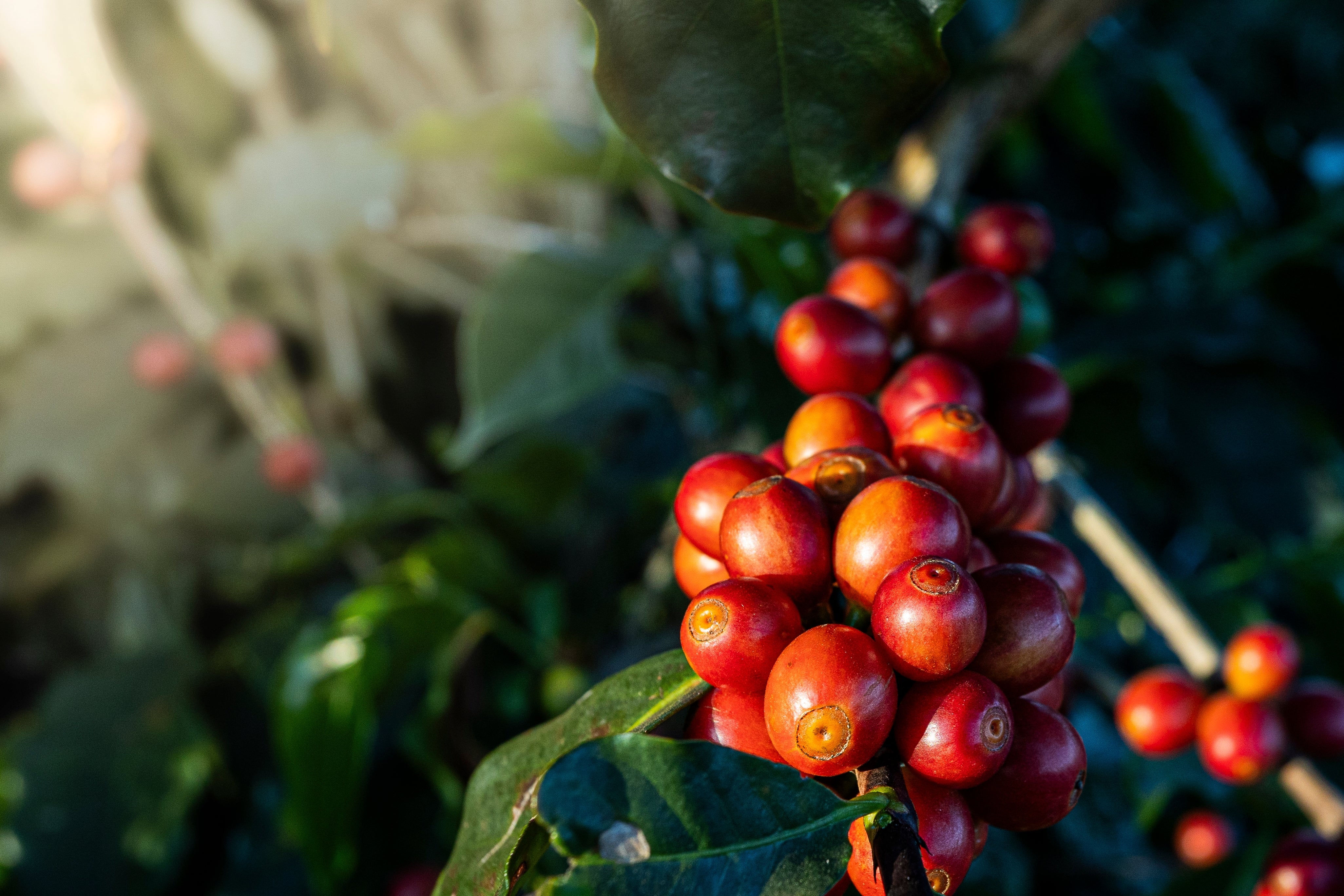
Most Brazilian specialty coffee comes from a small group of cultivars that have been selected and refined over the past century - bred for productivity, but good enough in the cup to hold their own on the specialty market. Natural processing does a lot of the heavy lifting here: the same variety can taste quite different depending on how it was dried. Read below for more information about varietals from Brazil:

Shop Green Beans

Interested in shopping from our Brazilian Green Bean Range? Click the link below.

Shop Now