Skip to content

Tanzanian Green Beans - Origin, Taste & Roasting Guide

East Africa · Structure, Clarity, and the Southern Highlands

Tanzania

Tanzania sits on the same volcanic highland chain as Kenya - the same Rift Valley geology, similar altitude, similar soils. But the coffees taste different. Less intense than Kenyan, less floral than Ethiopian, Tanzanian lots occupy a quieter space in the East African spectrum: clean, well-structured, honest. The AA flat-bean grade and the peaberry are the two expressions worth knowing - different bean formation, different cup character.

Origin at a Glance

Understanding Tanzania as a Green Bean Producing Origin

World Production Share

~0.5%

Annual Volume (approx.)

~0.8–1M 60kg bags

Altitude Range

1,400–2,200m

Harvest Season

July–November

Species

Arabica (highland), Robusta (lowland)

Common Processes

Fully Washed (specialty), Natural

Common Certifications

Fairtrade, Organic, Rainforest Alliance

Learn More About Processing

Click Here

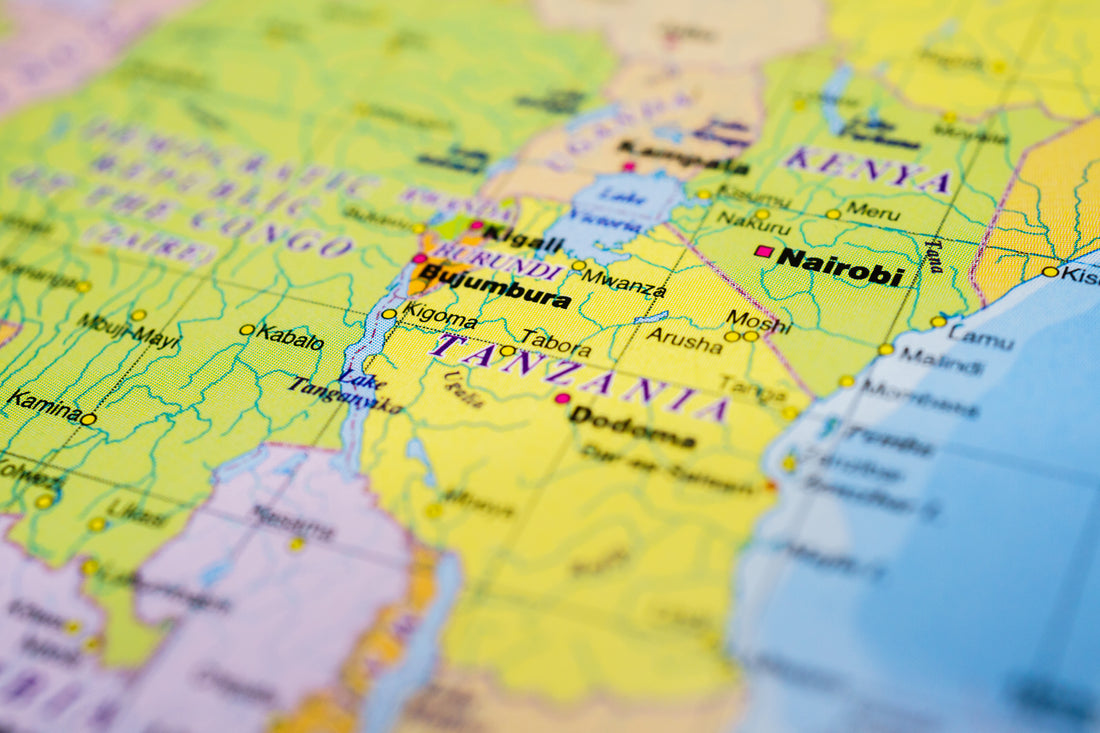
Key Producing Regions

Altitude • Process • Key Character
Ruvuma

• 1,400–1,800m

• Fully Washed

• Near Malawi border

• Emerging specialty interest

Mbeya (South)

• 1,600–2,200m

• Fully Washed

• High quality, less well known

• Near Rift Valley

Kilimanjaro

• 1,400–1,800m

• Fully Washed

• Most globally recognised Tanzanian region

Arusha

• 1,400–1,800m

• Fully Washed• Near Mt Meru

• Bright, fruity, medium body

Mbinga

• 1,400–1,800m

• Fully Washed

• Remote southern region

• Sweet, complex

Key Facts

Fun Green Bean Facts From Tanzania

Fact 1

AA means screen size 18 or above - beans approximately 7mm diameter. It's the top flat-bean grade in Tanzania, and it matters for roasting: larger, denser beans conduct heat differently and tend to roast more evenly. The peaberry - a single seed that forms when the usual two seeds don't divide - is graded separately and carries a different cup character: more concentrated, more intense.

Fact 2

Kent is a Typica selection developed in Mysore, India in the early 20th century for resistance to Coffee Leaf Rust, then distributed across East Africa by British colonial agricultural departments. It's been in Tanzanian soil for over a century and is as much a part of the country's coffee identity as its more famous East African neighbours' varieties.

Fact 3

After independence in the 1960s, Tanzania's coffee industry was organised into cooperatives that aggregated cherry from many farms before processing. Good for smallholder income; difficult for traceability. Recent reforms have allowed more direct export, and specific regional and washing station names are beginning to appear on specialty lots.

Fact 4

The best coffees from southern Tanzania - particularly Mbeya and Mbinga - share the structural brightness and mineral quality of Kenyan lots. They don't match Kenya's intensity, but for roasters who find Kenyan coffee overwhelming, southern Tanzanian AA is a useful and under-explored alternative.

Varietals

Understanding the Green Bean varietals that come from the Origin of Tanzania
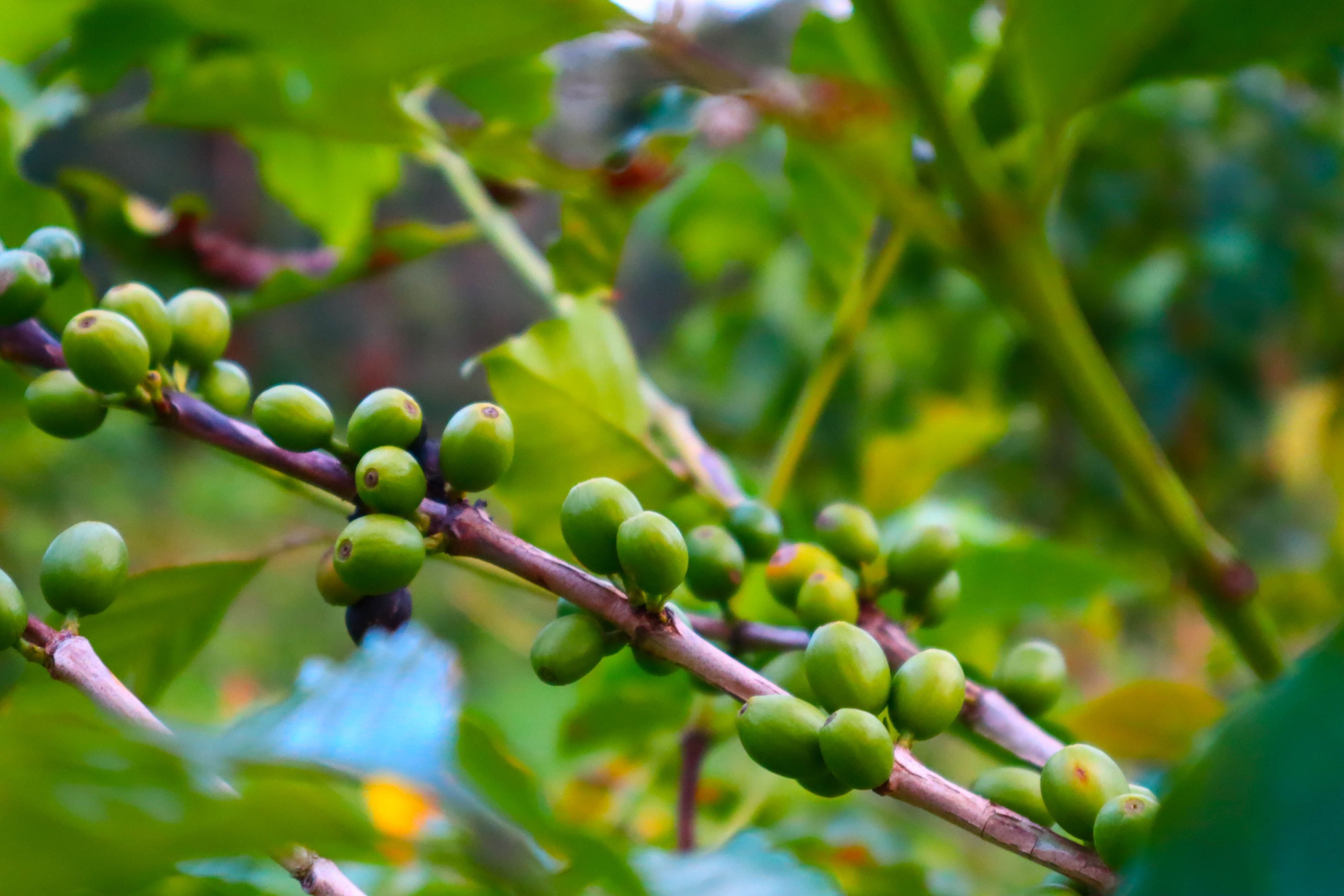
Kent and Bourbon form the commercial backbone of Tanzanian specialty production. The SL varieties - SL28 and SL34 - arrived from Kenya and are found primarily in the northern regions around Kilimanjaro, where the red volcanic soils suit them best. Understanding these four varieties is enough to understand why Tanzanian coffee sits where it does in the East African spectrum.

Shop Green Beans

Interested in shopping from our Tanzanian Green Bean Range? Click the link below.

Shop Now