Buying green coffee beans for the first time can feel overwhelming. There are dozens of origins, processing methods, variety names, and grade descriptions to navigate, and it is not always obvious what actually matters. The good news is that knowing what to look for when buying green coffee beans comes down to a handful of key factors, and once you understand them the rest falls into place quickly.
Origin is the single most important factor when buying green coffee beans. Where a bean was grown shapes everything about how it will taste once roasted. The altitude, climate, soil, and processing method of a region all leave their mark on the bean before it ever reaches your roaster.
The world of coffee origins is organised around four continental zones. Latin America produces beans known for balance, sweetness, and approachability, think chocolate, nut, caramel, and citrus. Africa is the birthplace of coffee and home to the most complex, expressive cups in the world, floral, citric, berry-forward, and tea-like. Asia-Pacific delivers heavy body, low acidity, and deep earthy complexity. The Caribbean produces small, premium, and story driven lots with mild, clean, balanced profiles.
As a beginner, Latin American origins like Brazil and Colombia are a forgiving and rewarding place to start. As your palate develops, African origins like Ethiopia and Tanzania will open up a whole new dimension of what coffee can taste like.
Processing Method
Processing method is one of the most important things to look for when buying green coffee beans, yet it is often overlooked by beginners. The processing method describes what happens to the coffee cherry after it is harvested, and it has an enormous influence on the final flavour of the cup.
There are five major processing methods worth understanding. Washed processing removes the cherry pulp before drying, producing clean, bright, transparent cups where origin character shines clearly. Natural processing dries the whole cherry intact, producing fruity, sweet, wine-like cups with heavy body. Honey processing sits in the middle, removing the skin but leaving some of the sticky mucilage on the bean during drying, producing sweet, balanced, fruit tinged cups with washed style clarity.
Wet hulled processing is unique to Indonesia and gives Sumatran beans their signature heavy, earthy, low acid profile. Anaerobic processing is a newer experimental method that uses sealed tank fermentation to produce intense, complex, boundary pushing cups.
When you are looking at a bag of green beans, the processing method listed on the label is one of the most reliable predictors of what style of cup you will end up with.
Altitude
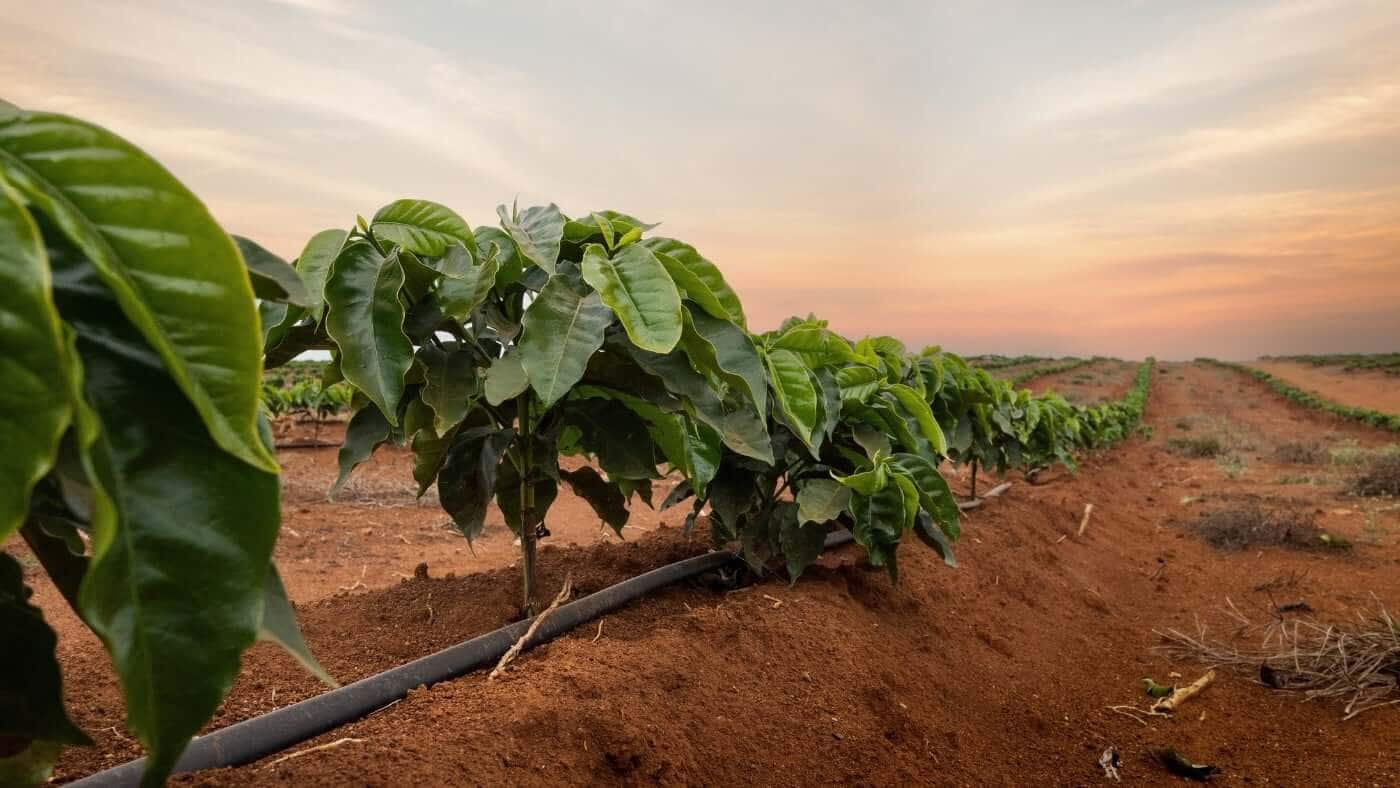
Altitude is one of the most reliable indicators of specialty potential in a green coffee bean. Higher altitudes mean cooler temperatures, and cooler temperatures slow the maturation of the coffee cherry. That slower maturation allows more time for sugars and flavour compounds to develop inside the bean, producing denser, more complex, more nuanced cups.
As a general guide, beans grown below 800 metres tend toward simpler, commercial grade profiles. Beans grown between 1,200 and 1,800 metres sit in the specialty sweet spot, balanced, sweet, and complex. Beans grown above 1,800 metres are in elite territory, where you find the most extraordinary acidity, floral aromatics, and flavour complexity the coffee world has to offer.
It is worth noting that altitude predicts potential, not quality. Genetics, processing, and farming practices all matter enormously. But when you are buying green coffee beans and comparing two similar origins, the one grown at higher altitude will almost always have more to offer in the cup.
Variety
Coffee variety works like grape variety in wine. It determines the genetic ceiling of what a bean is capable of producing in the cup. Some varieties are prized for their extraordinary flavour potential. Others are valued more for disease resistance, yield, and reliability.
The two foundational Arabica varieties are Typica and Bourbon. Typica is elegant, floral, and transparent. Bourbon is sweet, rounded, and balanced. Most modern specialty Arabica varieties descend from one or both of these. The Gesha variety, originally from Ethiopia and made famous in Panama, is considered the gold standard of specialty coffee genetics, producing intensely floral, jasmine-scented, tea-like cups that command some of the highest prices in the world.
For home roasters, variety is worth paying attention to as you develop your palate. Seeing SL28 on a Kenyan label tells you to expect intense blackcurrant acidity. Seeing Heirloom Ethiopian tells you to expect a wide, complex range of native cultivars that no other origin can replicate.
Grade And Quality
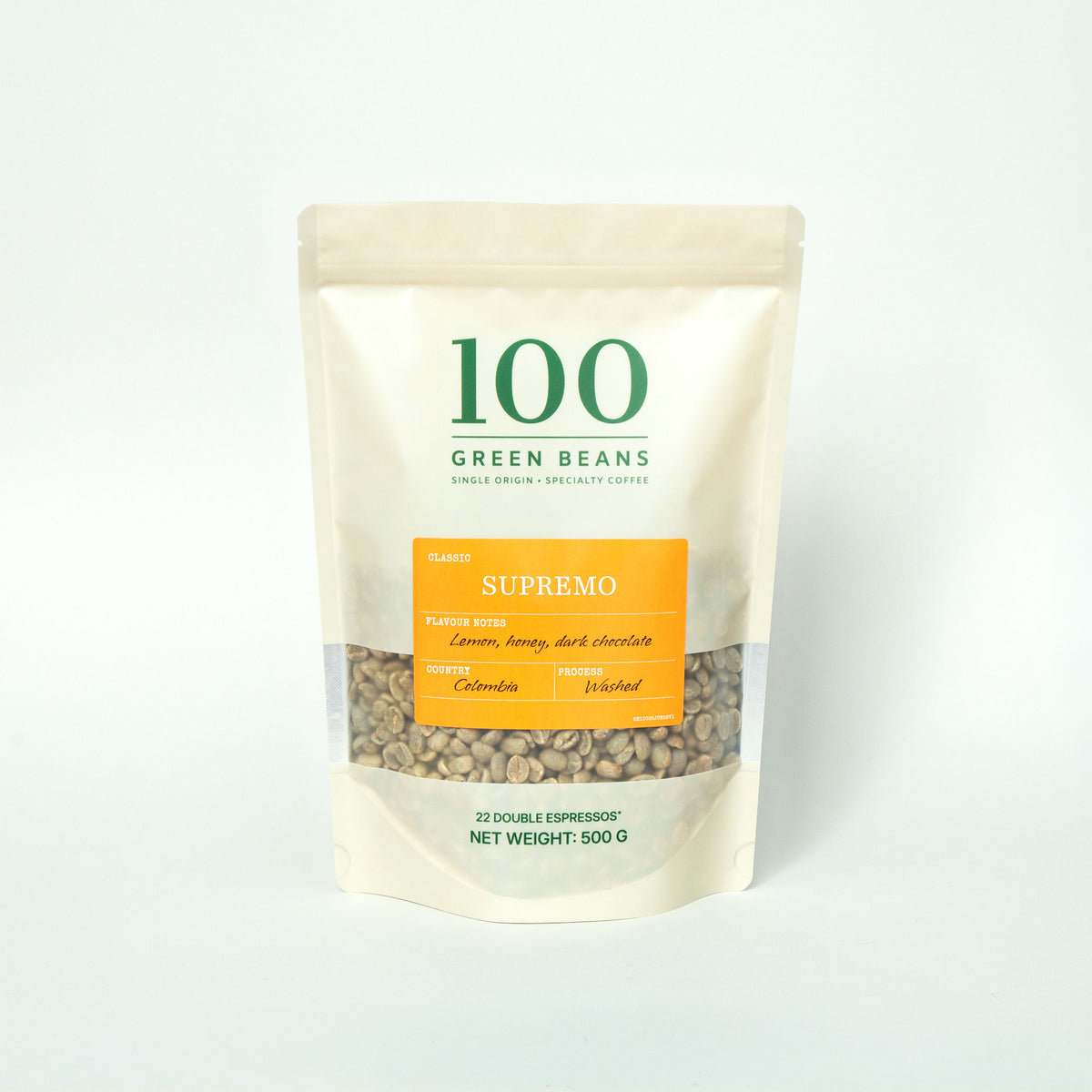
Coffee is graded differently depending on the country of origin, but grade is generally a useful indicator of quality and screen size. Larger, more uniform beans tend to roast more evenly and consistently. In Ethiopia, Grade 1 is the highest quality. In Kenya, AA and AB refer to bean size, with AA being the largest. In Colombia, Supremo indicates a larger screen size than Excelso.
When buying green coffee beans, look for clearly stated grade information alongside tasting notes and cupping scores where available. A Specialty Coffee Association cupping score above 80 is the threshold for specialty grade coffee, and scores above 85 indicate exceptional quality.
What To Ask Before You Buy
Knowing what to look for when buying green coffee beans also means knowing the right questions to ask. Where exactly was this bean grown? What is the processing method? What altitude was it grown at? What variety is it? How was it stored and how long ago was it imported?
A good green bean supplier should be able to answer all of these questions clearly. Transparency around sourcing, origin, and quality is one of the hallmarks of a reputable supplier and a good indicator that the beans you are buying are worth roasting.
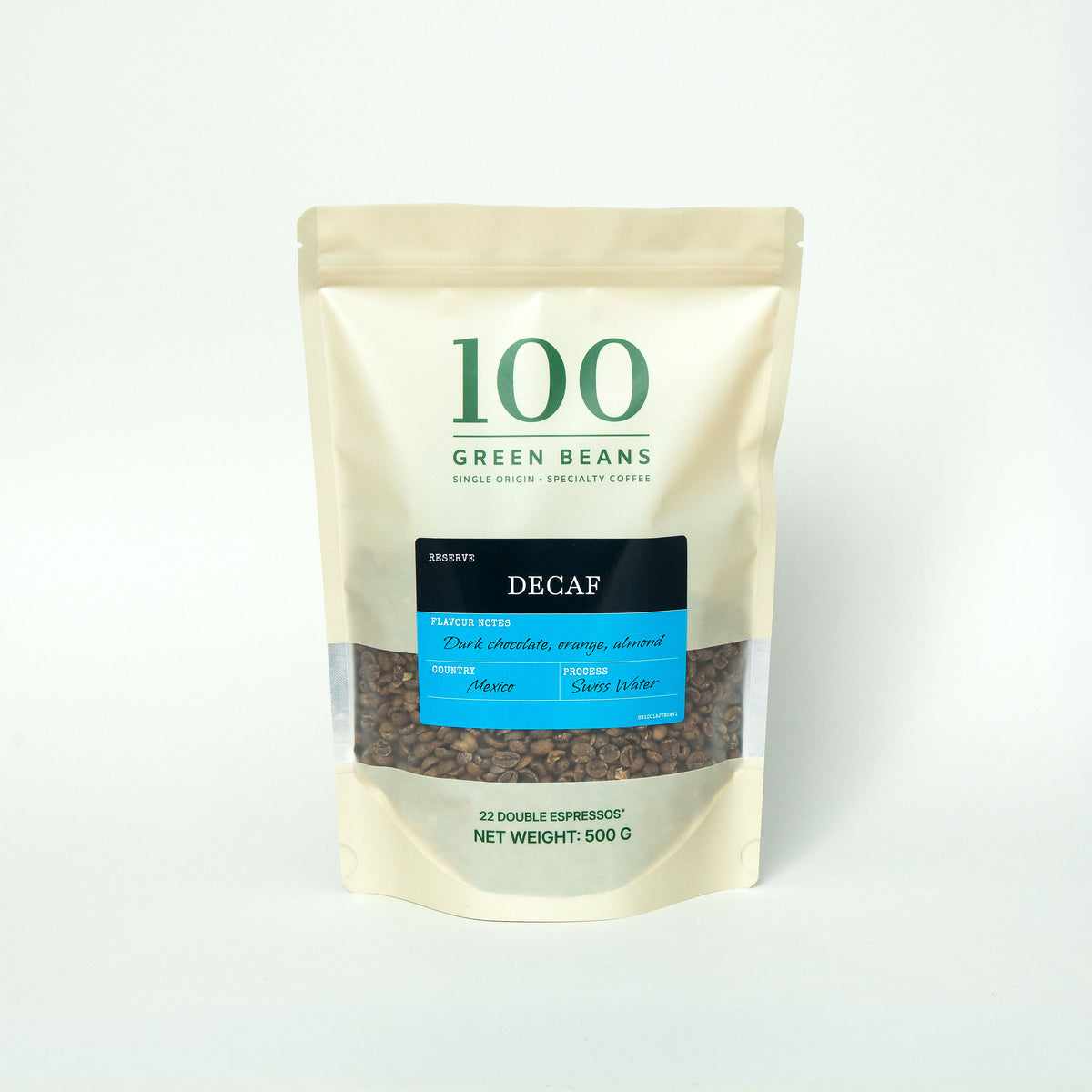
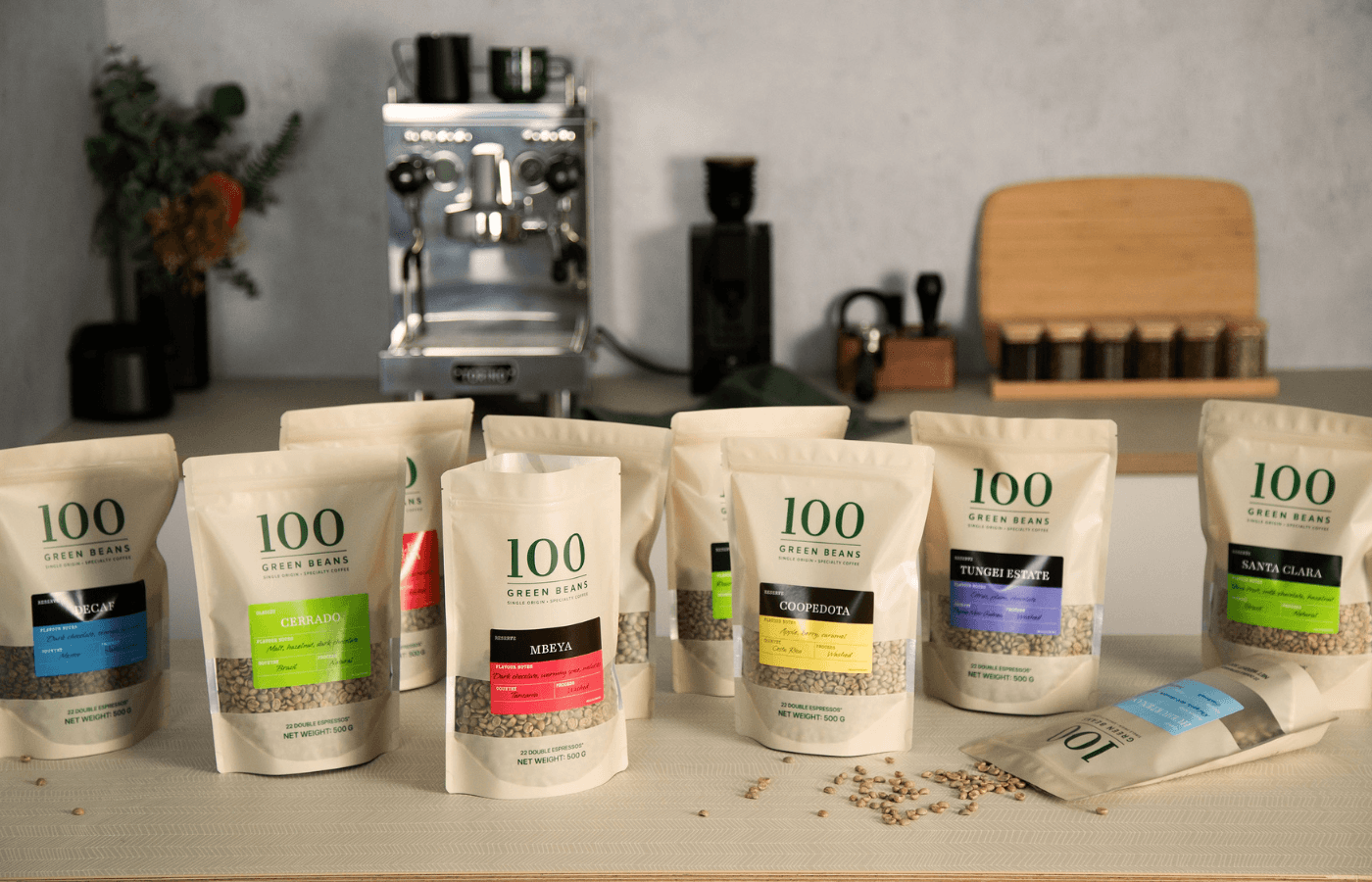
At 100 Green Beans we source our range through a specialised green bean importer and curate every origin with quality and flavour potential in mind. Every bean we stock comes with clear origin information so you always know exactly what you are buying and what to expect when you put it in your roaster. Browse our range and find your next great green bean today. Check out our range by clicking here.