If you have spent any time in the world of wine you will already be familiar with the concept of terroir. But terroir and green coffee beans is a relationship that is just as profound, just as complex, and just as important to understand as it is in any vineyard. Terroir and green coffee beans go hand in hand - terroir describes the way that the physical environment in which a coffee plant grows, the soil, the altitude, the climate, the rainfall, and the topography, leaves its mark on the bean and ultimately on the flavour in your cup. Understanding terroir and green coffee beans is one of the most intellectually rewarding things a home roaster can do, and it changes the way you think about every origin you roast. This blog covers everything you need to know about terroir and green coffee beans and why it is the foundation of everything great in specialty coffee.
What Is Terroir?
The word terroir comes from the French and translates roughly as a sense of place. In wine it describes the complete natural environment in which a grape is grown, and the way that environment expresses itself in the flavour of the wine. In coffee, terroir and green coffee beans works in exactly the same way. It describes the sum total of the physical conditions in which a coffee plant grows and the way those conditions shape the character of the bean.
Terroir is not a single variable. It is a system of interacting forces that together create the unique flavour signature of a growing region. The four key components of terroir and green coffee beans are soil, altitude, climate, and microclimate. Each plays a distinct role in shaping what ends up in your cup.
Soil
Soil is the foundation of terroir and green coffee beans flavour. The mineral content, drainage capacity, and structure of the soil in a coffee growing region all influence the health of the coffee plant and the character of the bean it produces.
Volcanic soils are the most celebrated in the coffee world and for good reason. Mineral rich, well drained, and deep, volcanic soils provide coffee plants with an exceptional growing environment. The minerals supplied by volcanic soils contribute directly to the density and flavour complexity of the beans grown in them. Central America, East Africa, and Indonesia all have significant volcanic growing regions, and the correlation between volcanic soils and exceptional cup quality is one of the most consistent patterns in specialty coffee.
Guatemala is a particularly clear example of how soil shapes terroir and green coffee beans. The volcanic soils of Antigua contribute a distinctive mineral complexity and spice to Guatemalan cups that is immediately recognisable and entirely tied to the physical environment in which the beans are grown.
Sumatran coffee is another strong example. Grown on the volcanic slopes of the Barisan Mountains, Sumatra's mineral-rich soil combines with heavy rainfall and a humid climate to create a distinctive growing environment - one expressed clearly in the deep, earthy, complex character of Indonesian green coffee beans.
When volcanic soils are not present, other factors compensate. Yemen's arid, high altitude terraces create conditions that produce wild, fruity, wine-like cups despite the absence of the rich volcanic soils found in other great origins. Terroir and green coffee beans is about the full system, not any single variable.
Altitude
Altitude is the most widely discussed component of terroir and green coffee beans and for good reason. It is the single most reliable predictor of specialty coffee potential and one of the clearest ways that physical environment expresses itself in the cup.
Higher altitudes mean cooler temperatures. Cooler temperatures slow the maturation of the coffee cherry on the plant. That slower maturation gives the seed inside more time to develop the sugars, organic acids, and aromatic compounds that translate directly into complexity, sweetness, and brightness in the cup. The result is a denser bean with more flavour potential and a higher quality ceiling.
The relationship between altitude and cup character is remarkably consistent across origins. Ethiopian Yirgacheffe grown at 1,800 to 2,200 metres produces some of the most complex, floral, and celebrated cups in the world. Kenya Nyeri grown at around 1,900 to 2,000 metres produces the intense blackcurrant, syrupy brightness that defines the Kenyan cup. Colombia Nariño grown at up to 2,300 metres produces some of the brightest, most fruit forward Colombian cups available. In each case altitude is a key driver of the terroir and green coffee beans relationship.
Climate And Rainfall
Climate shapes terroir and green coffee beans in ways that go beyond temperature alone. Rainfall patterns, humidity, cloud cover, wind exposure, and the presence or absence of distinct wet and dry seasons all influence how a coffee plant grows and how the cherry develops.
The Coffee Belt exists between the Tropic of Cancer and the Tropic of Capricorn because this zone provides the warm temperatures, consistent rainfall, and lack of frost that coffee plants need to thrive. Within that belt however the climatic variation is enormous, and that variation is reflected directly in the diversity of flavour profiles produced by different origins.
Brazil's Cerrado region is characterised by a distinct wet and dry season that allows producers to predict and control the harvest with unusual precision. This climatic consistency contributes to the reliability and approachability that defines Brazilian green coffee beans. Ethiopia's diverse growing regions experience very different rainfall patterns, from the wet processed stations of Yirgacheffe to the naturally processed farms of Harrar, and those differences are expressed directly in the dramatically different cup characters produced by each region.
Costa Rica's microclimate diversity is another compelling example of how climate shapes terroir and green coffee beans. The Tarrazú region benefits from altitude driven temperature variation, cloud cover that slows maturation, and reliable rainfall patterns that produce the clean, bright, and well balanced cups that have made it one of the most celebrated origins in Central America.
Microclimate
Microclimate is the most localised component of terroir and green coffee beans and arguably the most fascinating. A microclimate is the specific climate of a small, defined area that differs from the broader regional climate surrounding it. In coffee growing, microclimates can vary dramatically over very short distances, and those variations can produce significantly different cup characters even within the same broad origin.
Guatemala is one of the best examples of microclimate diversity in the coffee world. The country has eight officially recognised growing regions, each with its own distinct microclimate shaped by altitude, proximity to lakes and ocean, wind patterns, and rainfall. Antigua is influenced by the surrounding volcanoes and produces classic, balanced cups. Cobán is the wettest region and produces lighter, more tea-like cups. Atitlán is lake-influenced and produces bright citrus character. Three regions, three entirely different microclimates, three entirely different expressions of terroir and green coffee beans.
Kenya's growing regions demonstrate a similar microclimate effect at the sub-regional level. The Nyeri region, nestled in the foothills of Mount Kenya, has a specific combination of altitude, rainfall, and temperature variation that produces the most complex and celebrated Kenyan cups. Just a short distance away, the Kirinyaga region on the slopes of Mount Kenya itself produces a slightly cleaner, brighter profile. Same broad origin, different microclimates, different expressions.
Shade Growing And Biodiversity
One aspect of terroir and green coffee beans that is worth understanding is the role of shade growing and biodiversity in creating exceptional cup quality. Coffee grown under a canopy of shade trees benefits from a more stable microclimate, slower cherry maturation, and greater soil health from leaf litter and root diversity. Shade grown coffee is also associated with better environmental outcomes, maintaining forest structure, supporting wildlife corridors, and stabilising temperature and soil moisture.
The relationship between shade growing and cup quality is increasingly recognised in the specialty coffee world. Many of the world's most celebrated origins, including Ethiopian forest coffees and Indian shade grown beans alongside spice plantations, produce some of their finest cups in shade grown environments. For home roasters who care about both quality and sustainability, understanding the role of shade growing in terroir and green coffee beans adds another dimension to every buying decision.
Terroir And Green Coffee Beans In Your Roaster
Understanding terroir and green coffee beans has direct practical implications for how you approach roasting. When you know that the bright acidity in your Ethiopian Yirgacheffe comes from the altitude and heirloom varieties of its terroir, you know to roast it light to preserve those characteristics. When you know that the heavy earthy body of your Sumatran Mandheling comes from the wet hulled processing and sedimentary soils of its terroir, you know that a medium to medium dark roast will honour those characteristics best.
Terroir is the raw material that every home roaster works with. The better you understand it, the more intentional and informed your roasting becomes. Every green bean you put in your roaster carries the fingerprint of the place it came from, and your job as a roaster is to honour and reveal that fingerprint rather than obscure it.
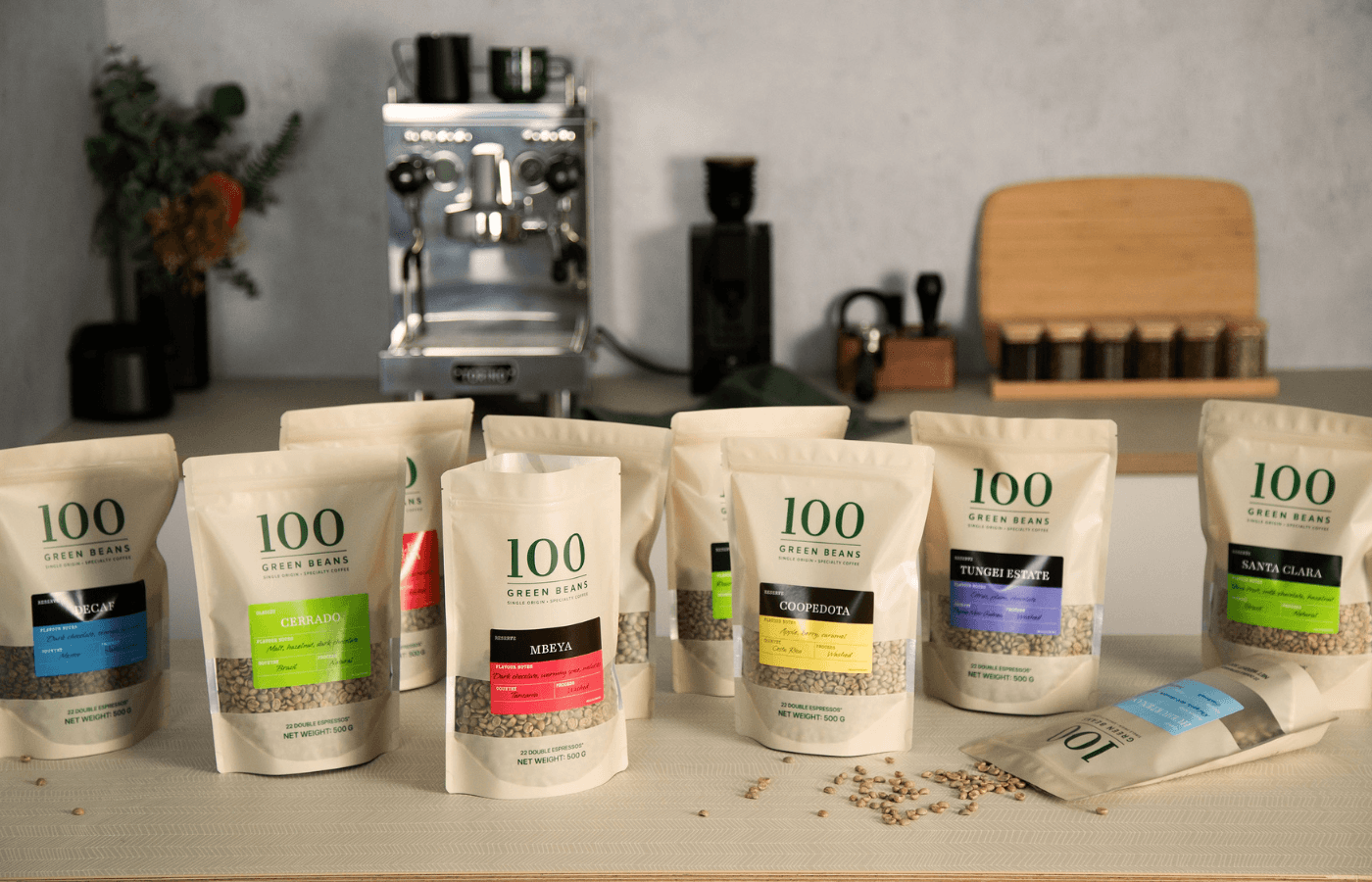
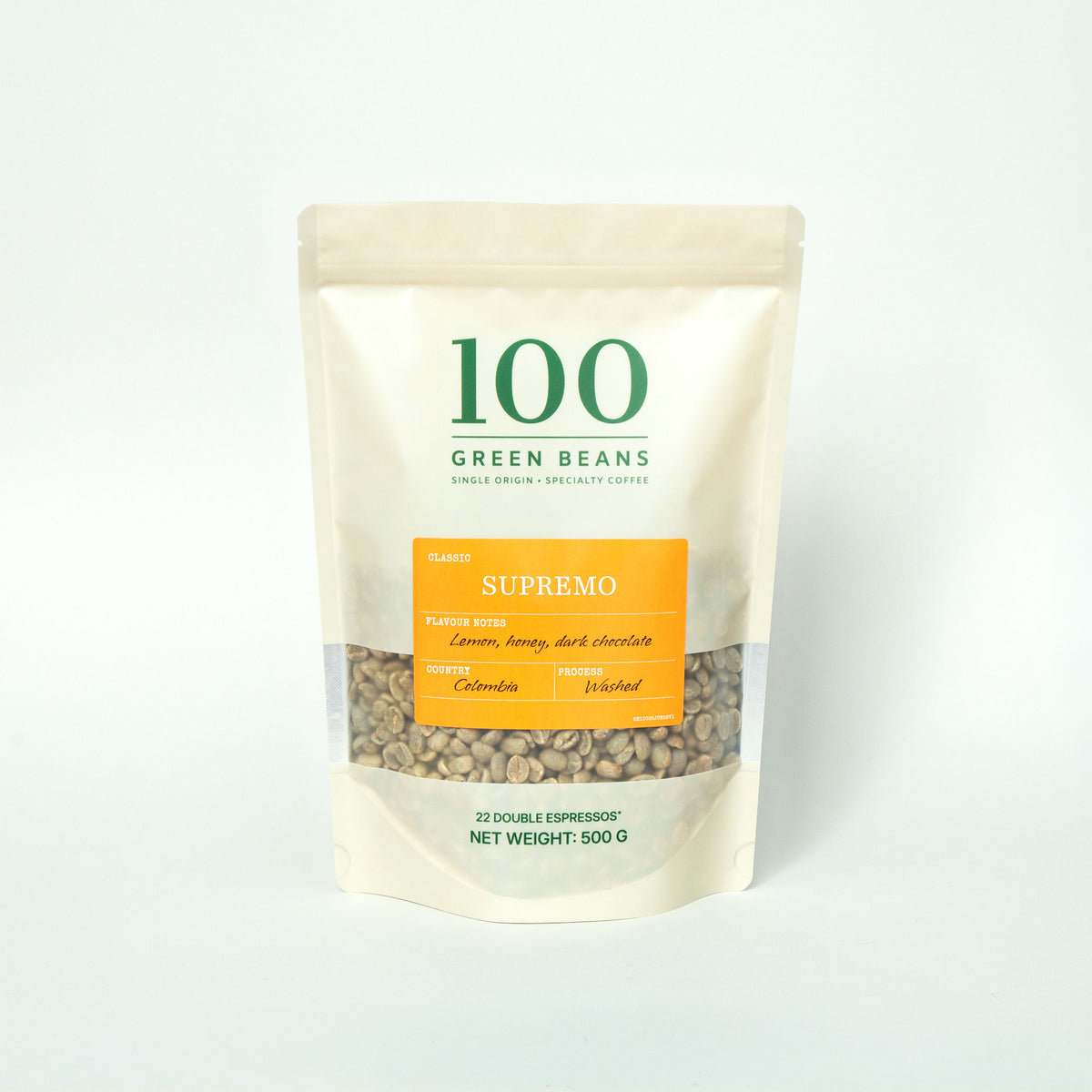
At 100 Green Beans we source our green coffee beans from quality origins across the Coffee Belt, each selected with terroir in mind. Every bean in our range comes with clear origin and altitude information so you always understand the terroir behind what you are roasting. Browse our full range today and start exploring the world of terroir and green coffee beans for yourself.