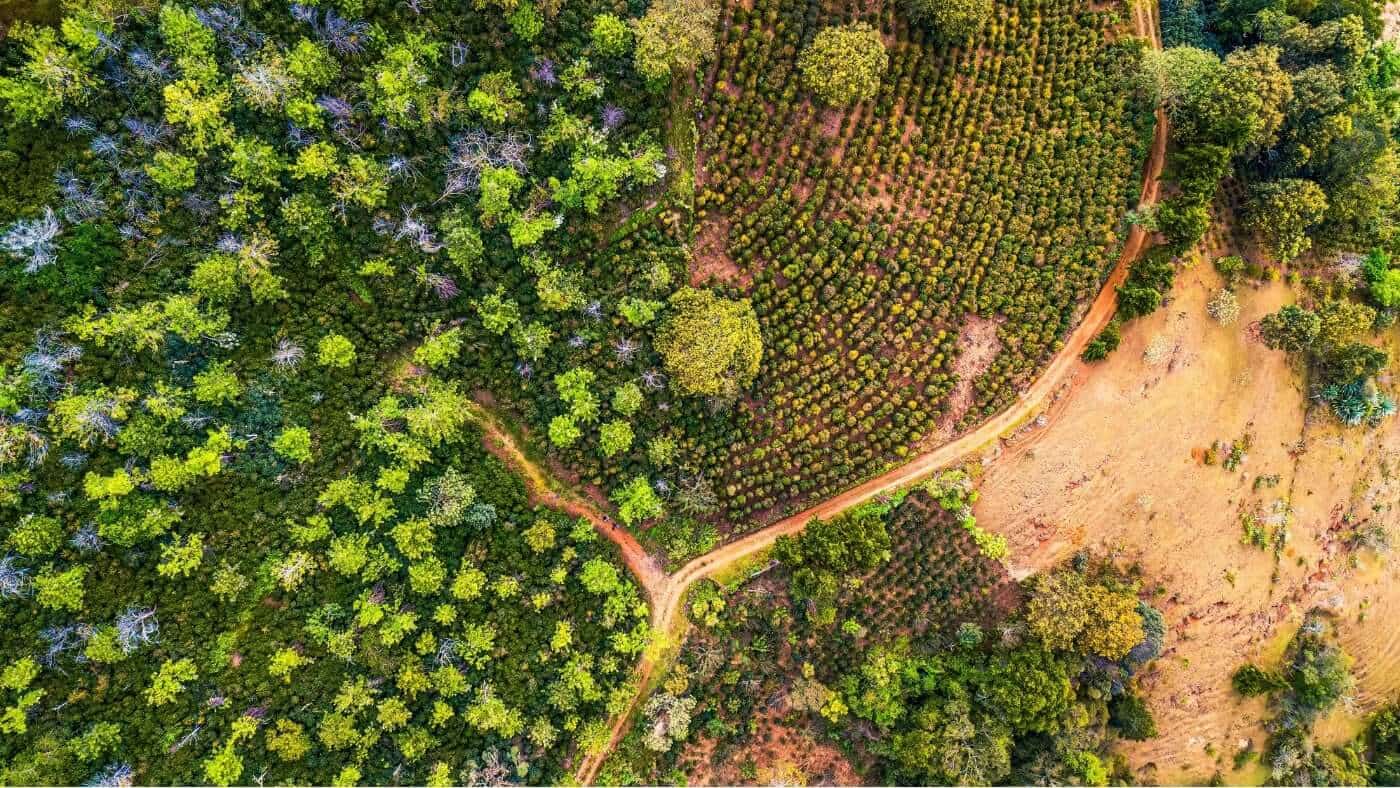
If you have spent any time looking at green coffee bean labels you will have noticed that altitude is almost always listed alongside origin, variety, and processing method. That is not a coincidence. How altitude affects coffee flavour is one of the most important and reliable relationships in the entire world of specialty coffee, and understanding it changes the way you think about every green bean you buy and roast. It comes down to a simple chain of cause and effect: higher altitude means cooler temperatures, cooler temperatures mean slower cherry maturation, and slower maturation means more time for sugars, acids, and flavour compounds to develop inside the bean. This blog covers everything you need to know about how altitude affects coffee flavour and why it matters for your roaster.
Why Altitude Matters
The relationship between altitude and coffee quality is one of the most consistent and well established in the specialty coffee world. How altitude affects coffee flavour is not complicated in principle, even if the details are nuanced. As altitude increases, temperature drops. Cooler temperatures slow the rate at which the coffee cherry matures on the plant. That slower maturation gives the seed inside the cherry more time to develop the sugars, organic acids, and aromatic compounds that translate directly into complexity and sweetness in the cup.
The result is a denser bean with a more developed cellular structure, higher acidity, greater sweetness potential, and a more complex flavour profile than beans grown at lower altitudes. This is why altitude is considered the single most reliable predictor of specialty coffee potential, and why it features so prominently on every quality green bean label.
The Altitude Bands
Understanding how altitude affects coffee flavour is easiest when you think in bands. Each altitude range produces a broadly predictable style of cup, though genetics, processing, and farming practices always play a role alongside altitude.
Below 800 metres sits the commodity baseline. Beans grown at these altitudes tend toward simpler, lower acidity, less complex cups. The flavour profile is muted and straightforward. Brazil's Cerrado region and much of Vietnam's Robusta production falls into this band. These beans have their place, particularly in blends and darker roasts where body and consistency matter more than complexity.
Between 800 and 1,200 metres sits the entry specialty range. Beans grown here show good body, balanced sweetness, and nutty, chocolatey notes. Brazil's Sul de Minas and Honduras sit in this range and produce approachable, consistent cups that are a great starting point for home roasters.
Between 1,200 and 1,800 metres is the specialty sweet spot. This is where the majority of the world's celebrated specialty coffee is grown. Complex, sweet, bright, and well structured cups are the hallmark of this altitude range. Guatemala Antigua, Colombia Huila, and Costa Rica Tarrazú all fall here, producing the kinds of balanced, nuanced cups that define modern specialty coffee.
Above 1,800 metres sits the elite complexity zone. This is where the most extraordinary cups in the world are produced. Extraordinary acidity, floral aromatics, deep sweetness, and exceptional complexity are all characteristic. Ethiopia Yirgacheffe at 1,800 to 2,200 metres, Kenya Nyeri at around 1,900 to 2,000 metres, and Panama Gesha at up to 2,000 metres all sit in this zone. If you want to understand what altitude can do to a green coffee bean at its absolute ceiling, these are the origins to roast.
How Altitude Affects Coffee Flavour In Practice
The practical implications of how altitude affects coffee flavour are significant for home roasters. When you are choosing between two similar origins and one is grown at 1,400 metres and the other at 1,800 metres, the higher grown bean will almost always offer more complexity, brighter acidity, and greater sweetness potential in the cup.
This does not mean lower altitude beans are without merit. Brazilian naturals grown at 900 to 1,100 metres produce the rich, chocolatey, full bodied cups that are the backbone of espresso blends worldwide. Indonesian Sumatran beans grown at 800 to 1,800 metres produce heavy, earthy, deeply complex cups that are unlike anything else in the Coffee Belt. Altitude predicts potential, not quality in absolute terms.
What altitude does with particular clarity is set the flavour ceiling of what a bean is capable of. The higher the altitude within the appropriate growing range, the higher that ceiling tends to be. A skilled home roaster working with a high altitude bean has more to work with than the same roaster working with a low altitude bean from a comparable origin.
Density And What It Means For Roasting
One of the practical consequences of how altitude affects coffee flavour that home roasters need to understand is the relationship between altitude, bean density, and roasting behaviour. Higher altitude beans are denser than lower altitude beans because the slower maturation process produces a more tightly structured cellular architecture inside the bean.
Denser beans behave differently in the roaster. They require more energy to crack open during first crack and can be less forgiving if roast development time is too short. They also tend to have greater capacity for flavour development across a wider range of roast levels, meaning you can roast them light and still get complexity, or take them to medium and still preserve origin character.
Lower density beans from lower altitudes are generally more forgiving to roast but offer less to work with in terms of flavour development. Understanding how altitude affects coffee flavour through the lens of density is one of the things that separates an experienced home roaster from a beginner.
Altitude And Origin Combined
Altitude does not operate in isolation. It works in combination with origin, variety, processing method, and the skill of the producer. A high altitude bean from a poorly managed farm processed carelessly will not necessarily outperform a well managed lower altitude bean processed with precision. Altitude predicts potential. Everything else determines whether that potential is realised.
This is why the most useful approach to understanding how altitude affects coffee flavour is to think of it as one variable in a system of interconnected forces. Terroir, variety, process, and people all interact with altitude to produce the final cup. High altitude is a necessary but not sufficient condition for exceptional coffee.
That said, when you are buying green coffee beans and all other factors are roughly equal, altitude is the single most reliable guide to the complexity and specialness of what you are going to roast. It is the variable that sets the stage for everything else.
A Final Word On How Altitude Affects Coffee Flavour
Understanding how altitude affects coffee flavour is foundational knowledge for any serious home roaster. It explains why Ethiopian Yirgacheffe tastes the way it does, why Kenyan AA commands a premium, and why high grown Central American coffees punch above their weight in terms of complexity and brightness. It also helps you make better buying decisions, roast with more intention, and get more out of every green bean you put in your roaster.
At 100 Green Beans every bean in our range comes with clear altitude information so you always know exactly what you are working with. Browse our full range of green coffee beans today and start exploring how altitude affects coffee flavour for yourself.