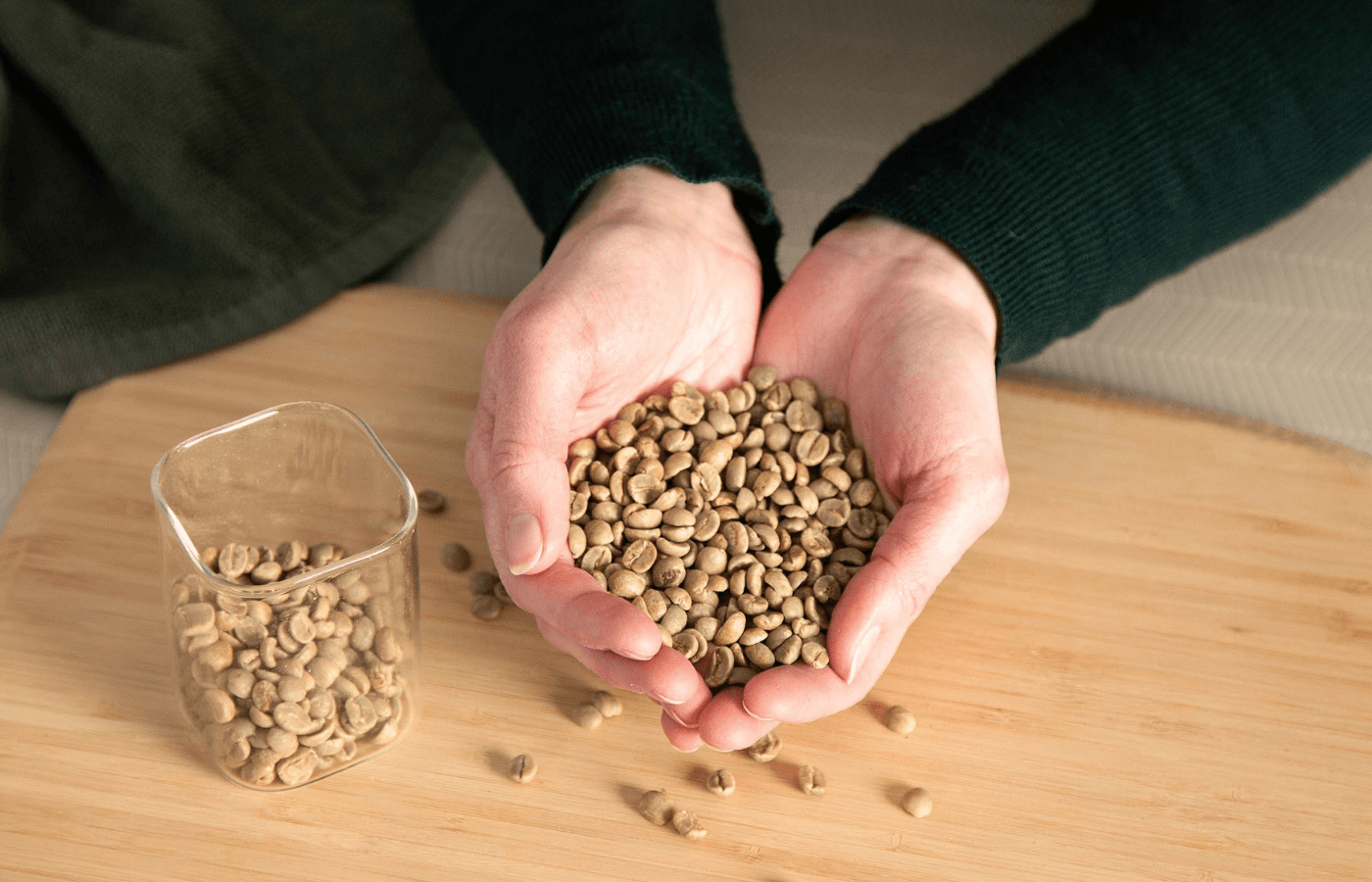
If you have ever wondered what coffee looks like before it becomes the dark, aromatic bean you roast, grind and brew, the answer is simpler than you might think. Green coffee beans are just coffee in its natural, unroasted state. They are the seed of the coffee cherry, dried and processed, but not yet touched by heat. Everything that makes your morning cup taste the way it does starts here, with the green bean. Understanding what a green coffee bean is, where it comes from, and what makes it special is the first step toward becoming a more informed and confident home roaster.
What Exactly Is A Green Coffee Bean?
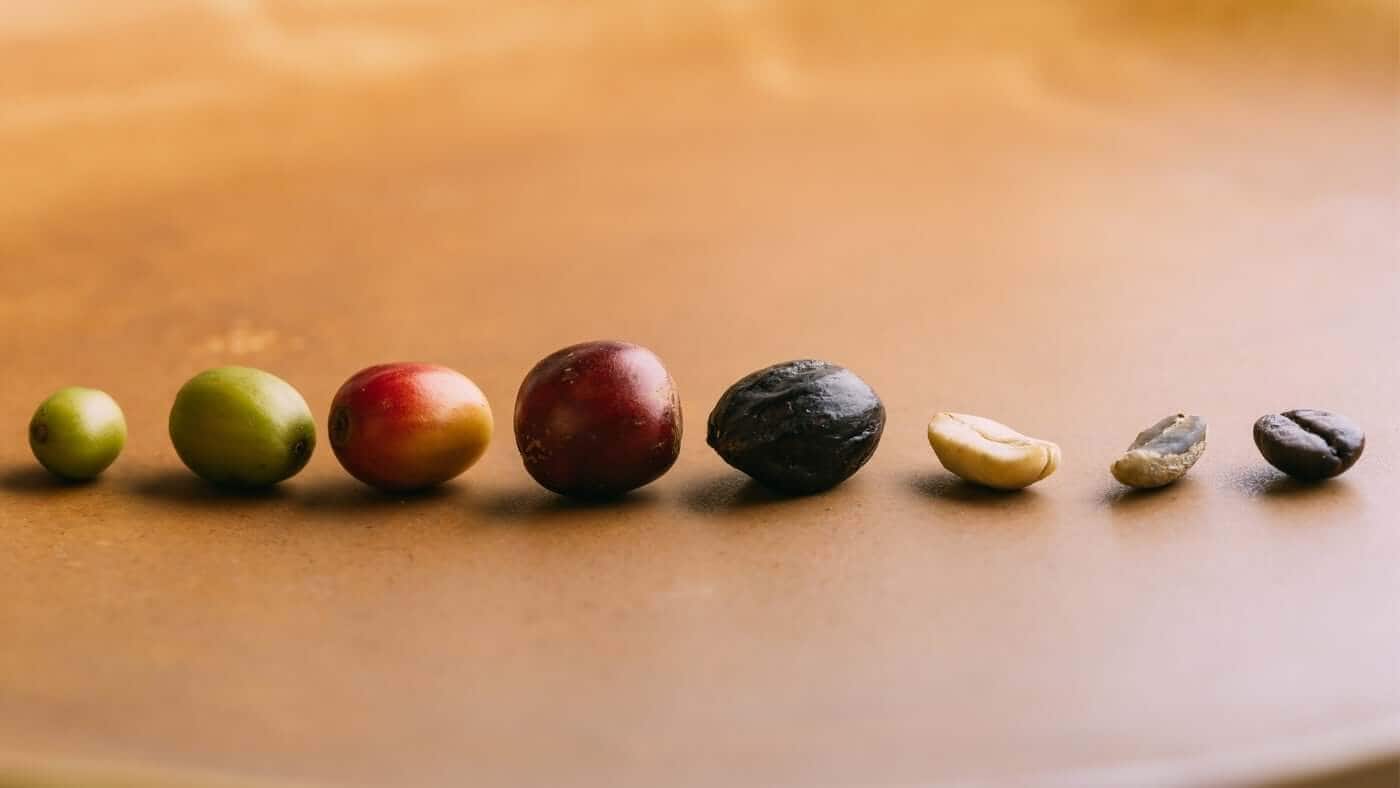
The coffee plant produces a fruit called a coffee cherry. Inside that cherry, nestled beneath layers of skin, pulp, and a thin parchment layer, are two seeds. Those seeds are what we call green coffee beans. Once the cherries are harvested, the seeds are extracted, cleaned, and dried through one of several processing methods. What you are left with is a raw, unroasted green bean, pale green to yellowish in colour, firm in texture, and with a grassy, earthy smell quite different from the rich aroma of roasted coffee.
At this stage the beans are stable, full of potential, and ready to be transformed. They are not ready to brew yet, but everything that will eventually define your cup, the acidity, the body, the sweetness, the aroma, is locked inside waiting to be unlocked by heat.
It is worth noting that the Coffea genus contains more than 100 species, but commercially only a handful matter. Arabica accounts for approximately 60 to 70 percent of world production and is prized for its quality ceiling and flavour complexity. Robusta accounts for approximately 30 to 40 percent and is known for its hardiness, high caffeine content, and bold, bitter character. Most specialty green beans available to home roasters are Arabica, though fine Robusta is a growing category worth exploring.
What Happens When You Roast A Green Coffee Bean?
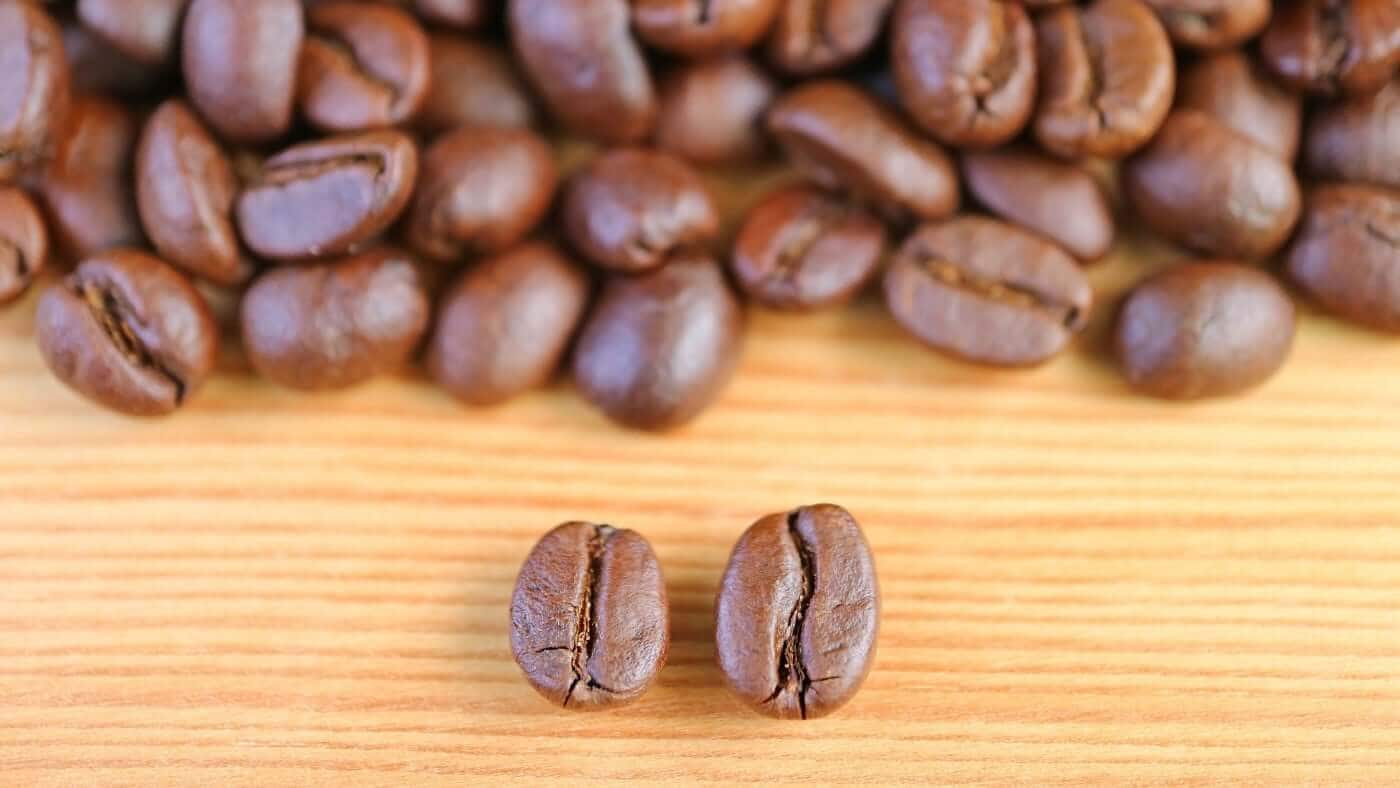
Roasting is the process that transforms a green coffee bean into the dark, fragrant bean you recognise. When heat is applied, the bean undergoes a series of chemical reactions that develop its colour, aroma, and flavour. Moisture evaporates, sugars caramelise, and the bean expands and cracks as gases build up inside. What starts as a dense, grassy seed becomes something completely different: complex, aromatic, and ready to brew.
Every cup of coffee is the product of four interacting forces: terroir, variety, process, and people. Origin is the single most powerful predictor of cup character, more than roast level, more than brew method. That means the flavour journey starts long before your roaster does. The roast level you choose, whether light, medium, or dark, then shapes how that origin character is expressed in the final cup.
A lighter roast preserves more of the bean's natural origin character, floral, citric, fruit forward, and complex. A darker roast brings out deeper, bolder, more comforting notes of chocolate, caramel, and bitterness. Most home roasters develop a preference over time, and experimenting with different roast levels on the same green bean is one of the best ways to deepen your understanding of coffee.
Why Buy Green Coffee Beans Instead Of Roasted?
Most people buy their coffee already roasted. So why would you choose green beans instead? The reasons are compelling, and once you start roasting your own coffee it is hard to go back.
Freshness is the biggest argument. Roasted coffee begins to lose its flavour within weeks of roasting as the compounds responsible for aroma and taste oxidise and degrade. Green beans stored correctly in a cool, dry place away from direct sunlight and moisture can last from 12 months up to several years. That means you can buy in larger quantities, roast small batches as you need them, and always have the freshest possible coffee in your cup.
Then there is control. When you roast your own beans you decide exactly how your coffee tastes. You are not locked into someone else's roast profile or someone else's idea of what your cup should be. You can roast light to highlight origin character, push toward medium for balance and sweetness, or go dark for bold intensity. The choice is entirely yours.
Cost is another factor worth considering. Green coffee beans are typically significantly cheaper per kilogram than pre-roasted coffee. Over time that saving adds up considerably, especially for people who drink a lot of coffee or who roast for friends and family as well.
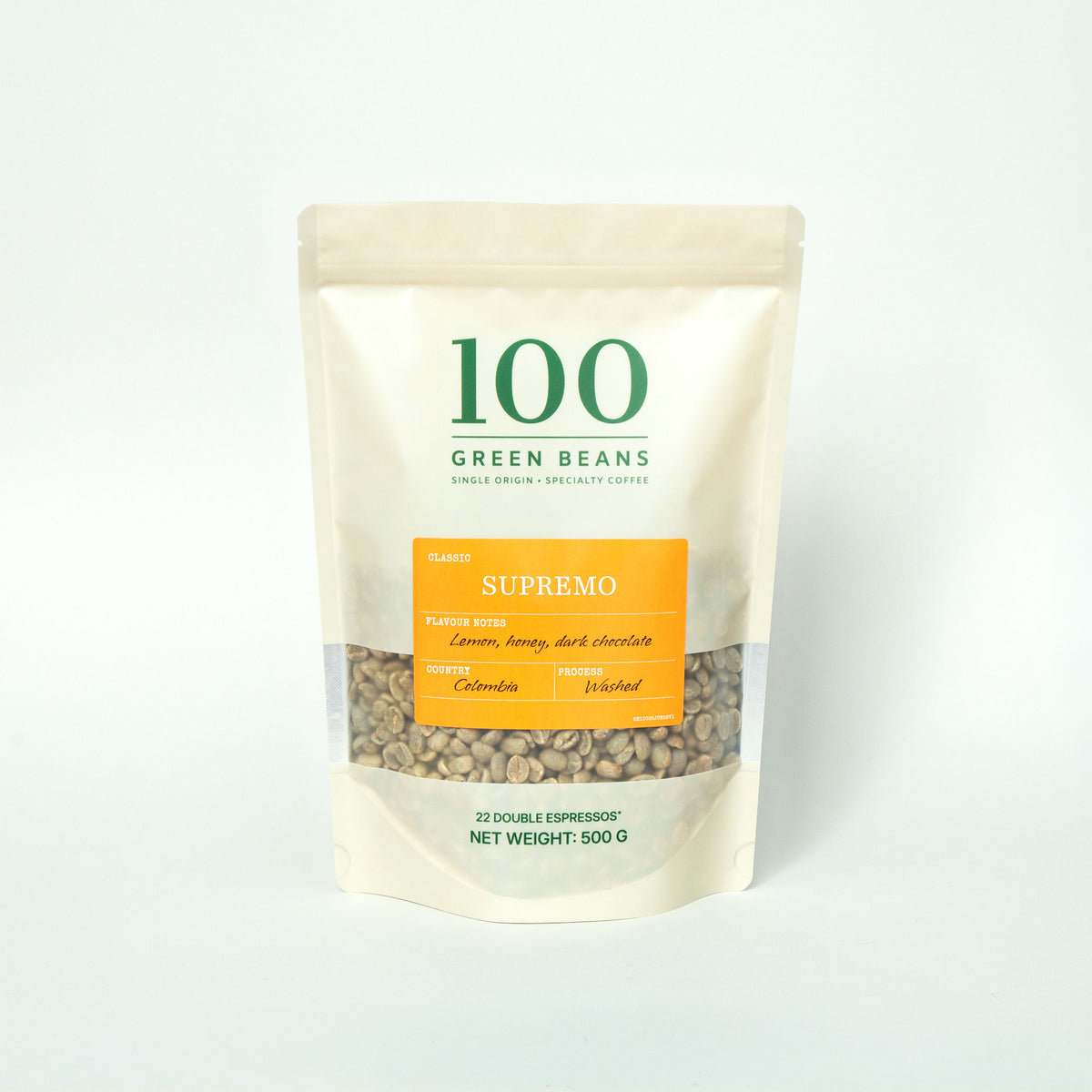
Finally there is variety. The world of green coffee spans more than 70 countries across the tropical Coffee Belt. From the floral, tea-like brightness of an Ethiopian Yirgacheffe to the deep earthy complexity of a Sumatran Mandheling, from the bright volcanic character of a Guatemalan Huehuetenango to the sweet balanced profile of a Colombian Supremo, buying green beans opens up a world of flavour that most pre-roasted shelves simply cannot offer.
Where Do Green Coffee Beans Come From?
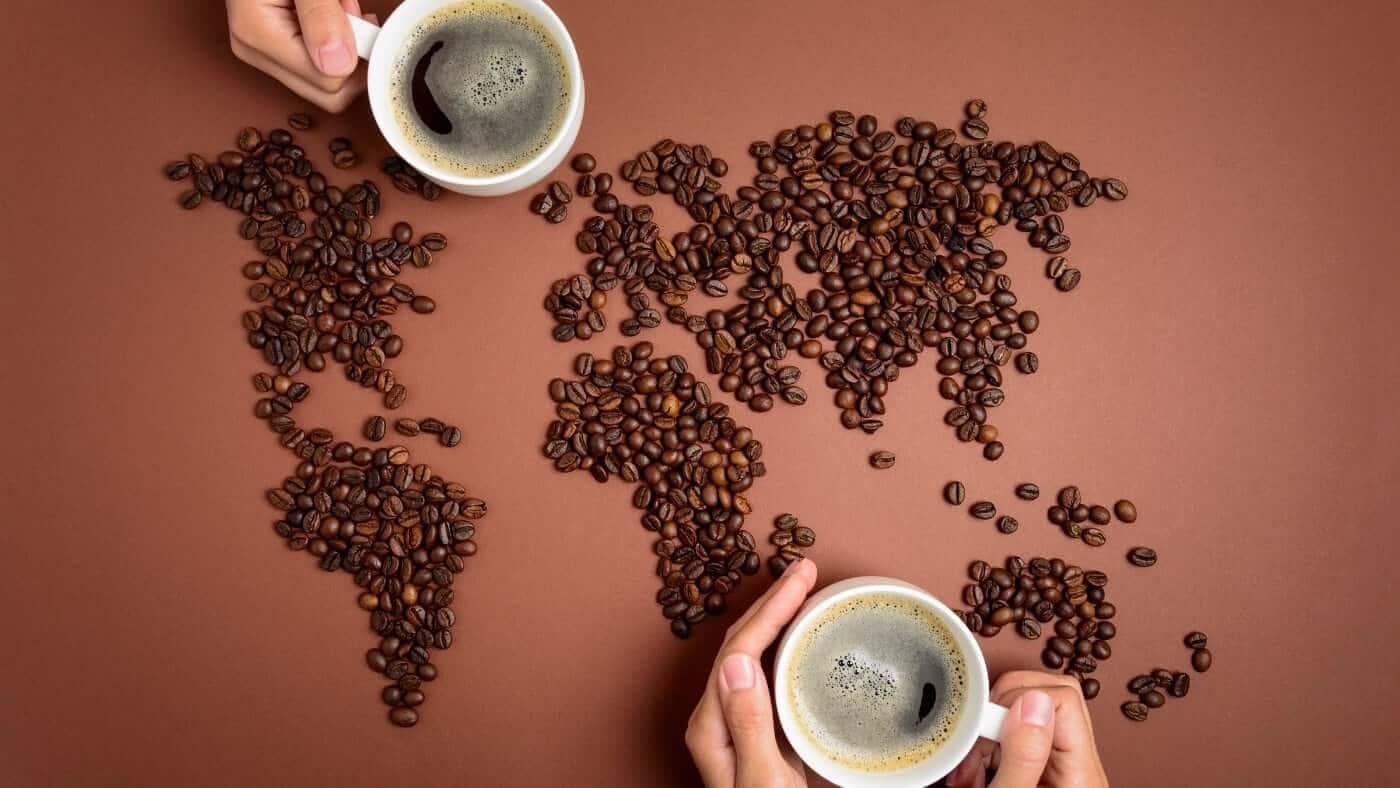
Green coffee beans are grown across the Coffee Belt, a band of countries stretching between the Tropic of Cancer and the Tropic of Capricorn. Coffee is grown commercially in more than 70 countries within this belt, and each of those countries produces beans with their own distinct flavour identity shaped by where and how they are grown.
The world of coffee origins can be understood through four continental zones. Latin America brings scale, balance, and backbone. This is the world's coffee backbone, producing more coffee than any other region, with flavour profiles built around chocolate, nut, sweet caramel, and citrus brightness. Brazil alone accounts for approximately 37 percent of global coffee production, making it the undisputed number one producing country in the world.
Africa is where coffee was born and where the most complex, expressive cups still come from. As the ancestral home of Coffea arabica, the continent produces beans with a flavour depth that no other region can match. Ethiopian origins like Yirgacheffe are celebrated for their floral elegance, jasmine aromatics, and tea-like clarity. Kenyan beans deliver an intense blackcurrant brightness shaped by the iconic SL28 and SL34 varieties that is almost uniquely their own.
Asia-Pacific offers body, earth, and volume. Indonesia is home to the Giling Basah wet hulled process that gives Sumatran beans their signature heavy body, low acidity, and deep earthy complexity. This is a region that rewards the adventurous roaster looking for something bold and distinctive.
The Caribbean produces small, premium, and story driven lots steeped in heritage. Jamaica Blue Mountain is one of the most recognised coffee names in the world, prized for its mild, clean, balanced cup and the provenance that comes with it.
Where a bean is grown shapes everything about how it tastes. The altitude slows cherry maturation and builds complexity. The soil and climate determine the raw material the plant has to work with. The processing method shapes the final character of the cup. And the variety determines the genetic ceiling of what is possible. Together these forces make every origin a world of its own.
How Do You Store Green Coffee Beans?
One of the great advantages of green coffee beans is their long shelf life, but correct storage is important. Keep your green beans in a sealed container in a cool, dry place away from direct sunlight and moisture. Avoid the fridge or freezer as condensation can affect the quality of the beans over time. Stored correctly, most green beans will remain in excellent condition for at least 12 months and often considerably longer.
Ready To Start Exploring?
Green coffee beans are the starting point for everything great in your cup. They give you freshness, control, variety, and a connection to your coffee that buying pre-roasted simply cannot match. Whether you are picking up a roasting pan for the first time or looking to expand your range of origins, the world of green coffee is one of the most rewarding rabbit holes a coffee lover can go down.
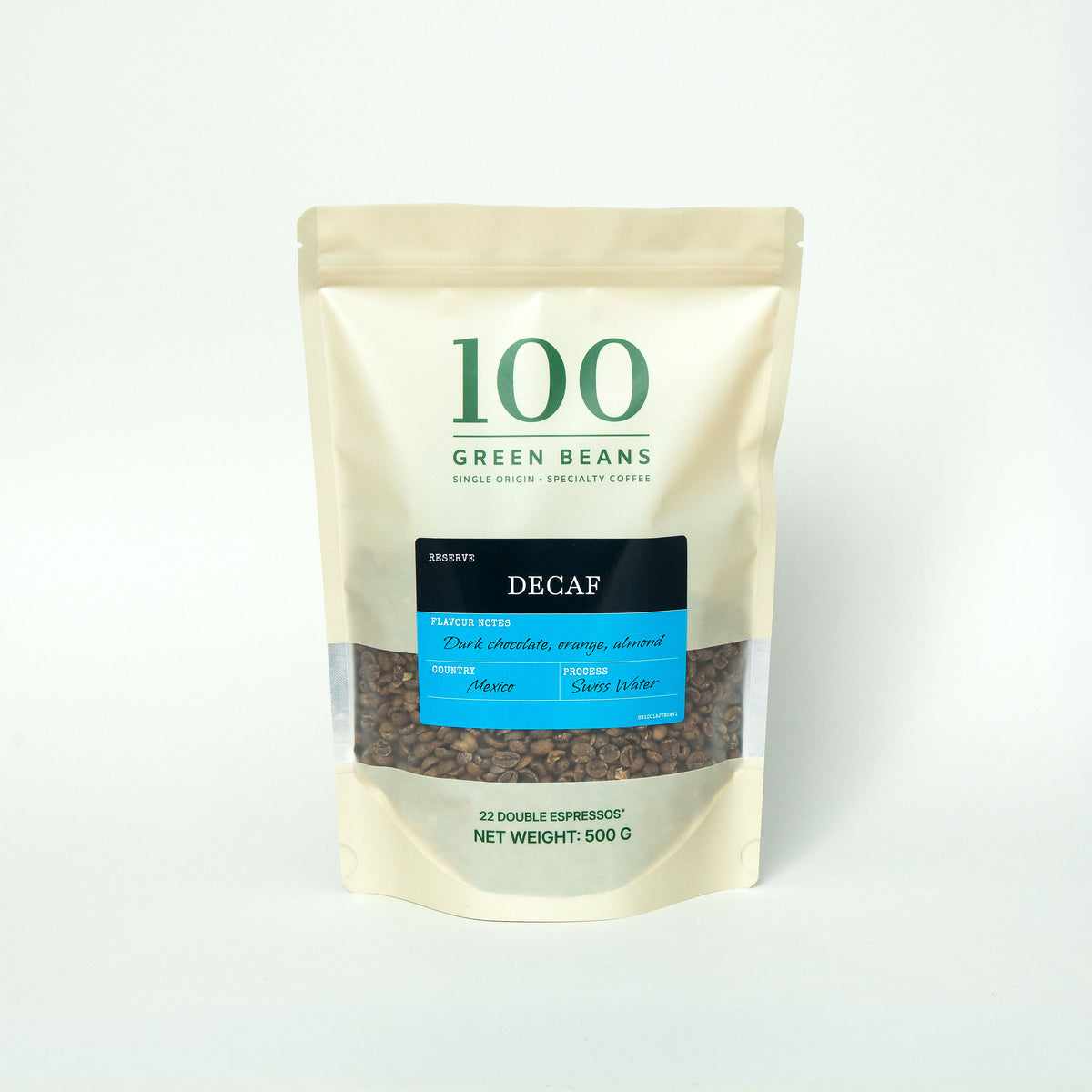
At 100 Green Beans we source and supply premium green coffee beans from quality origins across the Coffee Belt, carefully curated through a specialised green bean importer so you always have something exceptional to put in your roaster. Browse our range and find your first green bean today.